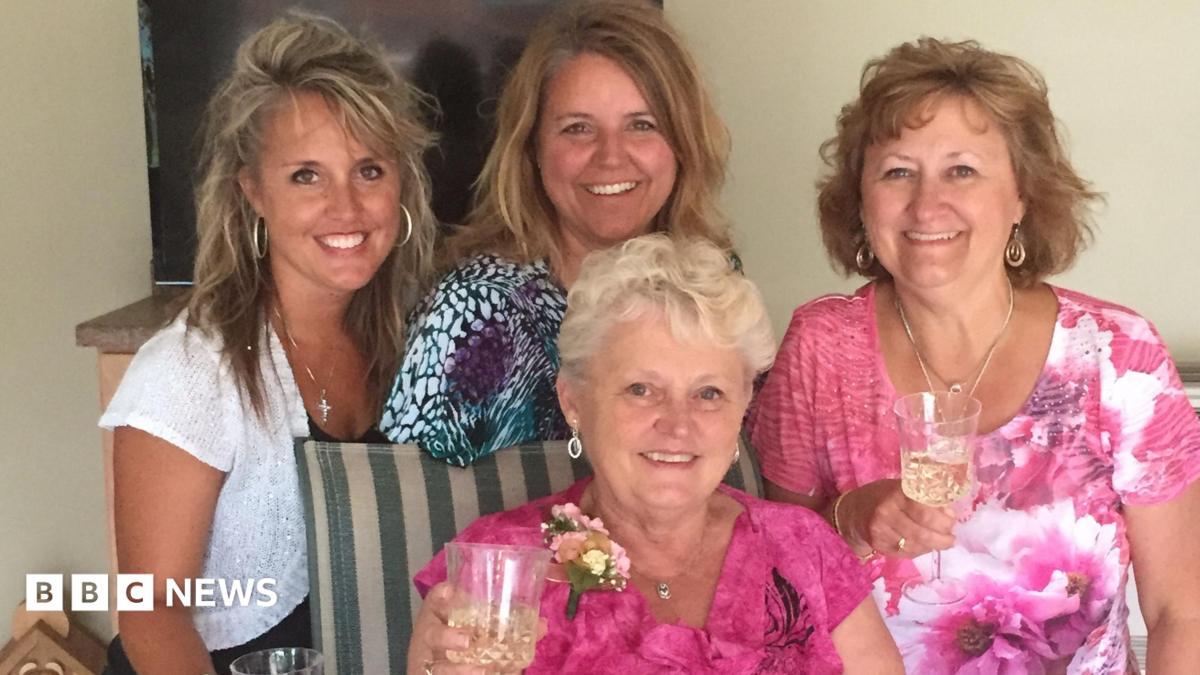
Anita Le Brun, 82, has won a care home alcohol licence law change that removes the need for a premises licence in certain care settings and circumstances, making it easier for residents to enjoy communal drinks such as a weekly “Happy Hour”, the BBC reports.
Care home alcohol licence law change
The care home alcohol licence law change reported by the BBC clarifies when alcohol may be provided to residents in adult social care settings without a formal premises licence. Officials say the update is intended to reduce a regulatory barrier that had prevented some homes from offering planned, communal drinks at social events.
Coverage of the decision describes it as a change to licensing guidance for care settings rather than a wholesale repeal of licensing law. In practice, the guidance narrows the circumstances in which a premises licence is required and emphasises that regulated, consensual social drinking within care homes can be managed without the previous administrative burden.
How the campaign unfolded
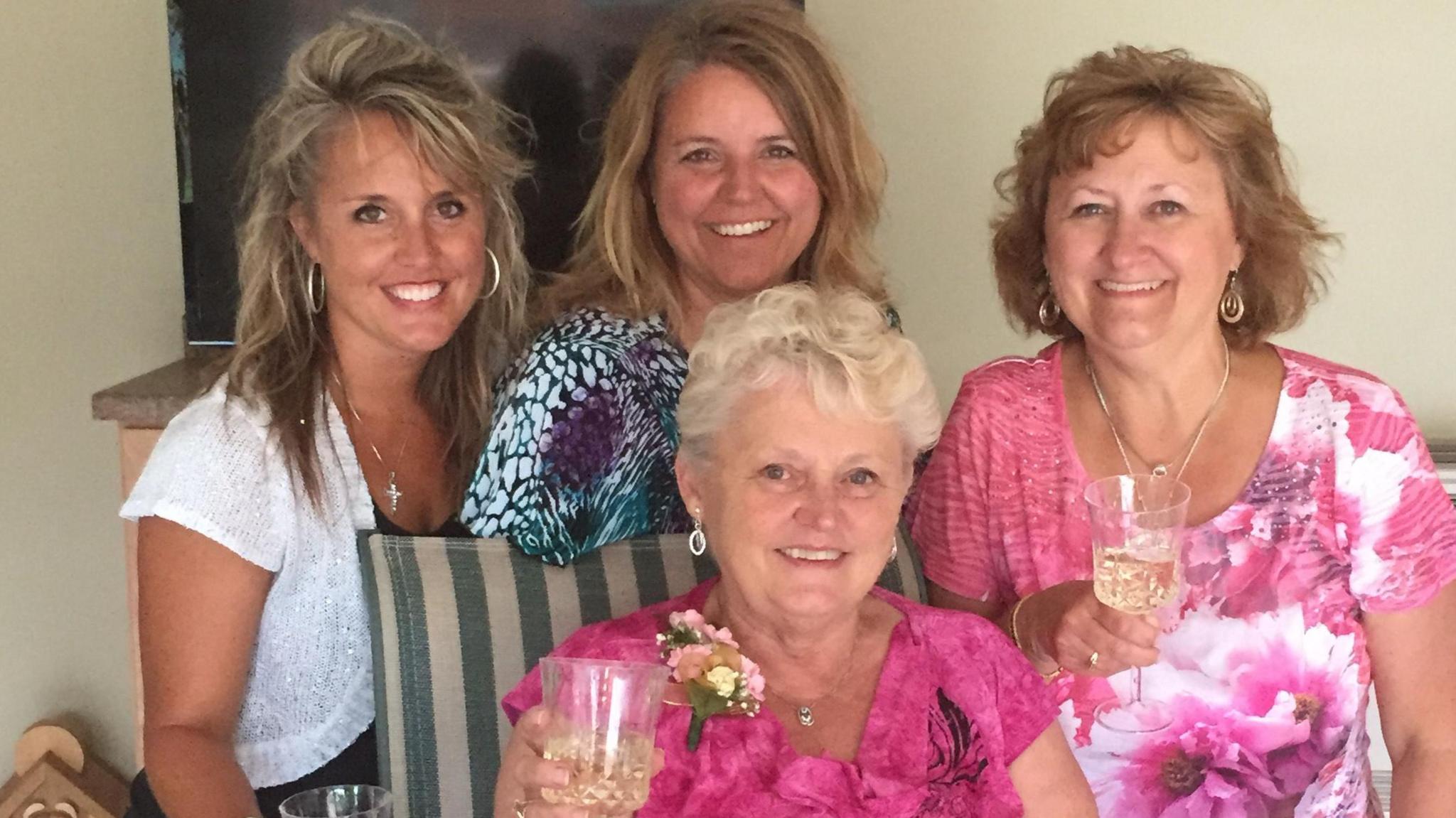
Anita Le Brun, described in reports as an 82-year-old grandmother, became the public face of the campaign after sharing how existing rules stopped her enjoying small social rituals, like a weekly Happy Hour with other residents. Her case attracted local and national media attention and prompted public debate about everyday quality-of-life issues in care settings.
Over several months the campaign combined personal testimony with outreach to local councillors, care providers and licensing officers. That pressure, together with coverage in outlets including the BBC, led officials to review how licensing rules were being applied to communal activities in care homes.
According to reporting, the government moved to update licensing guidance for adult social care settings so that routine, non-commercial provision of alcohol to residents as part of organised social activities is explicitly covered. The change was framed as a way to balance residents’ choices with ongoing safety and safeguarding responsibilities.
Who is affected and what stays the same
The primary effect is on residential care homes and nursing homes where alcohol is offered to residents as part of communal social life rather than sold commercially to the public. Operators, staff and residents are therefore the main groups affected.
Importantly, this is not a blanket licence to sell alcohol without oversight. The change does not remove responsibilities under licencing law where alcohol is being sold to visitors or the public, or where commercial sales take place. Homes that operate bars open to non-residents, or who wish to run commercial events, are likely still to need the usual premises licences and to comply with licensing conditions.
Day-to-day safeguards remain: staff must consider capacity and consent, check for medication interactions, carry out risk assessments, and ensure appropriate record-keeping and policies are in place. Local licensing authorities and adult social care regulators retain roles in advising and, where necessary, enforcing standards.
Legal caveat and how to verify the change
The reporting frames this as guidance and clarification rather than a change to the core licensing statute. That means the precise legal effect depends on how the updated guidance is written and applied by local authorities and inspectors. Care homes should not treat the development as an automatic removal of all licensing requirements.
To verify the exact legal text, providers and interested readers should consult the updated government guidance and any explanatory notes issued by the department responsible for licensing and adult social care, and check with their local licensing authority. The BBC article linked below provides a narrative account and links to the original reporting; official guidance will contain the precise wording and scope.
Why it matters
Small changes to everyday routines can have a big impact on residents’ quality of life. Restoring the ability to share a drink at an organised, supervised social event can help revive familiar rituals, reduce isolation and support social connection among people living in care homes.
Advocates say the shift recognises residents’ autonomy and dignity, allowing them to make choices about simple pleasures while remaining within a safety framework. At the same time, professionals and families stress the need for careful policy implementation so that vulnerable residents are protected.
What comes next
Care home managers should review their policies and risk assessments, update any consent procedures, and brief staff and relatives on how the new guidance will be applied in their setting. Providers may wish to consult legal advisers or local authority licensing officers for case-specific advice.
Families and residents should ask their care home how communal drinking is to be managed, how consent and capacity will be handled, and what safeguards will be used to minimise harm. Local authorities and regulators will be the places to raise concerns if there is confusion about practice or compliance.
FAQ
What is the care home alcohol licence law change?
It is a clarification in licensing guidance reported to allow certain care homes to provide alcohol to residents in organised, non-commercial circumstances without a separate premises licence. The aim is to reduce administrative barriers to social activities while keeping safety measures in place.
Who is Anita Le Brun and why is she mentioned?
Anita Le Brun is an 82-year-old resident whose testimony about missing communal rituals such as Happy Hour helped draw attention to how licensing rules were being applied in care homes. BBC reporting credits her with prompting public and official scrutiny that led to the guidance change.
Does this mean all care homes can serve alcohol freely?
No. The change does not remove all licensing or safeguarding responsibilities. Homes that sell alcohol commercially or host events open to the public will still need appropriate licences. Operators should seek confirmation from their local licensing authority and consult the updated guidance.
Source: BBC News — for original reporting see Grandmother, 82, wins law change so she can enjoy Happy Hour at care home. For precise legal wording and the full scope of the change, check the updated government guidance and your local licensing authority.