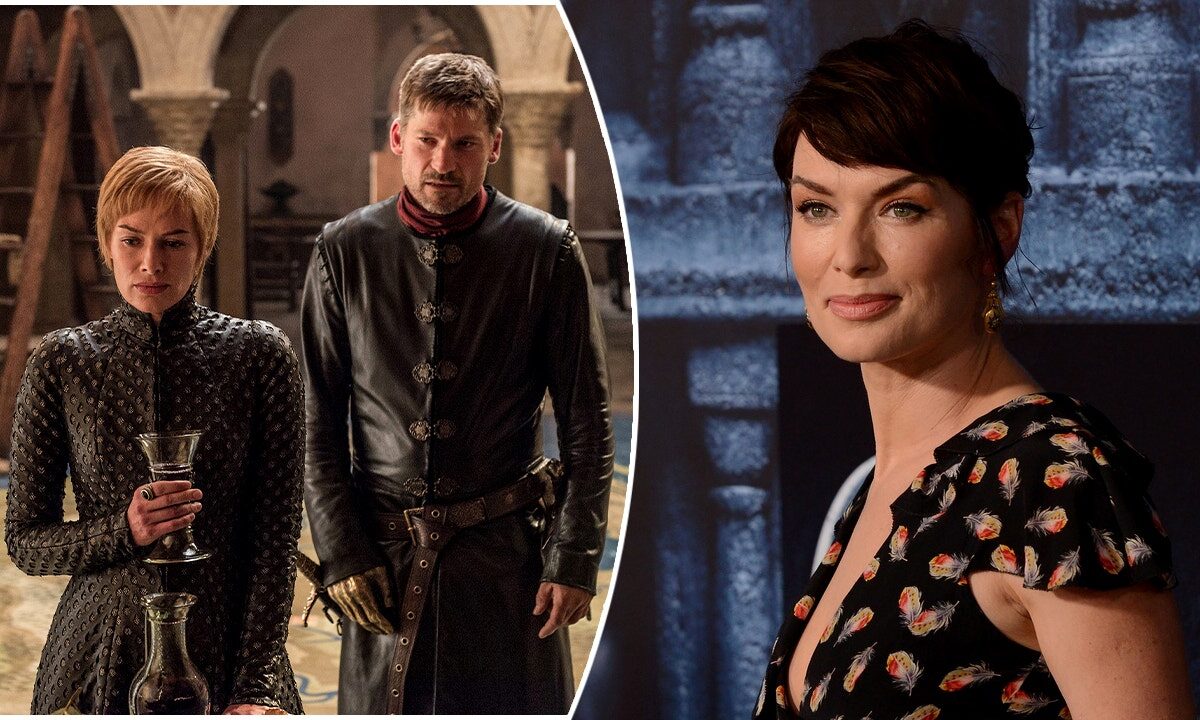
“I was really shocked by the anger,” Lena Headey told The Telegraph, naming Rebecca Van Cleave as the woman who stood in for her during Cersei Lannister’s Walk of Atonement. Headey said she remained on set for three days but used a body double for the nude portions so she could focus on the emotional performance.
The actor’s account, described in an interview first cited by Fox News, revisits a scene that has been central to wider discussions about nudity, consent and the demands of large-scale production. Headey framed the choice as one about craft and personal boundaries rather than a refusal to play difficult material.
What Lena Headey said
Headey told The Telegraph she was surprised by criticism suggesting she had “duped the audience.” She described the environment around the shoot as unprecedented for her at the time, saying, “By that point everyone knew [the cast], it was insane simply going anywhere, and I was with 3,000 extras.”
She emphasized that she did not avoid the scene outright: “I didn’t phone it in. I was actually there for three days with Rebecca.” Headey reiterated she has performed nudity in other work and that her choice in this instance was about preserving the emotional integrity of Cersei’s moment rather than rejecting nudity per se.
Why she chose a body double
Headey explained the decision as both practical and psychological. As a mother and a high-profile public figure, she said long periods of exposure in front of thousands of extras would have pushed her into a defensive mindset, undermining the vulnerability the role required.
“I wouldn’t have been able to do the emotional part of the job,” Headey said, describing how concern about being exposed or scrutinized can interfere with an actor’s ability to inhabit a character. Using a double allowed her to remain focused on the performance elements she felt only she could deliver.
Rebecca Van Cleave and the production scale
Headey named Rebecca Van Cleave as the body double and praised her for undertaking the physically demanding role. She highlighted the logistical scale of the sequence — citing roughly 3,000 extras — and noted that the size and publicity of the production intensified the pressures around filming the scene.
Headey said she stayed on set, worked alongside Van Cleave and remained engaged in shaping the sequence across multiple days, underscoring that the choice was collaborative rather than absentia.
Industry context and the #MeToo connection
Headey placed her decision against a broader industry backdrop, describing a past “rite of passage” that exposed many young actresses to pressured situations around intimacy and nudity. She suggested that those dynamics — where power disparities made refusal difficult — are a primary reason why conversations about consent and safety have gained prominence.
“The weird protection that we offer predatory men in the business because of the disproportionate power they wield… set against the need among vulnerable actresses to work to put food on the table… it makes me very angry,” she said, crediting the #MeToo movement with bringing greater scrutiny to such practices and giving younger performers more latitude to set boundaries.
What this means for on-set safety and consent
Headey’s account highlights two overlapping considerations for productions: protecting performers’ wellbeing during intimate or vulnerable scenes, and balancing that protection with creative goals. Her decision points to the need for clear, documented consent processes and advance planning when scenes involve nudity, large crowds or extended filming schedules.
Producers, directors and performers now often discuss how to minimize unnecessary exposure and reduce the risk of retraumatizing or pressuring cast members. Headey’s perspective — that experience, family considerations and the ability to assert boundaries shaped her choice — underscores persistent power imbalances that can affect younger or less established actors.
Background
The Walk of Atonement sequence first aired during Game of Thrones’ original run and has since been the subject of debate about how intimate material is staged and the responsibilities of production teams. Headey has addressed the scene in past interviews and revisited her explanation in the recent Telegraph conversation, responding to renewed public interest and criticism.
FAQ
Did Lena Headey use a body double for the Walk of Atonement?
Yes. Headey has said she used a body double, Rebecca Van Cleave, for the nude portions so she could remain emotionally available for Cersei’s performance during a large-scale shoot.
Who was the body double in the scene?
Headey named Rebecca Van Cleave as the body double and praised her for taking on the physically demanding aspects of the sequence.
Why did Headey decline to film the nude portions herself?
She has said the size of the shoot, her need to be emotionally vulnerable for the role, and her position as a mother and public figure made performing prolonged nudity in front of thousands impractical. Headey worried being preoccupied with exposure would have made it harder to deliver the emotional performance she wanted.
Source and attribution
This article summarizes Headey’s account in an interview with The Telegraph and reporting that cited that interview in Fox News. Quotations and the 3,000-extras figure are taken from Headey’s interview as reported by those outlets.
Headey’s remarks are her account of events and the industry practices she described. They contribute to ongoing conversations about consent, safety and how productions manage intimate material.