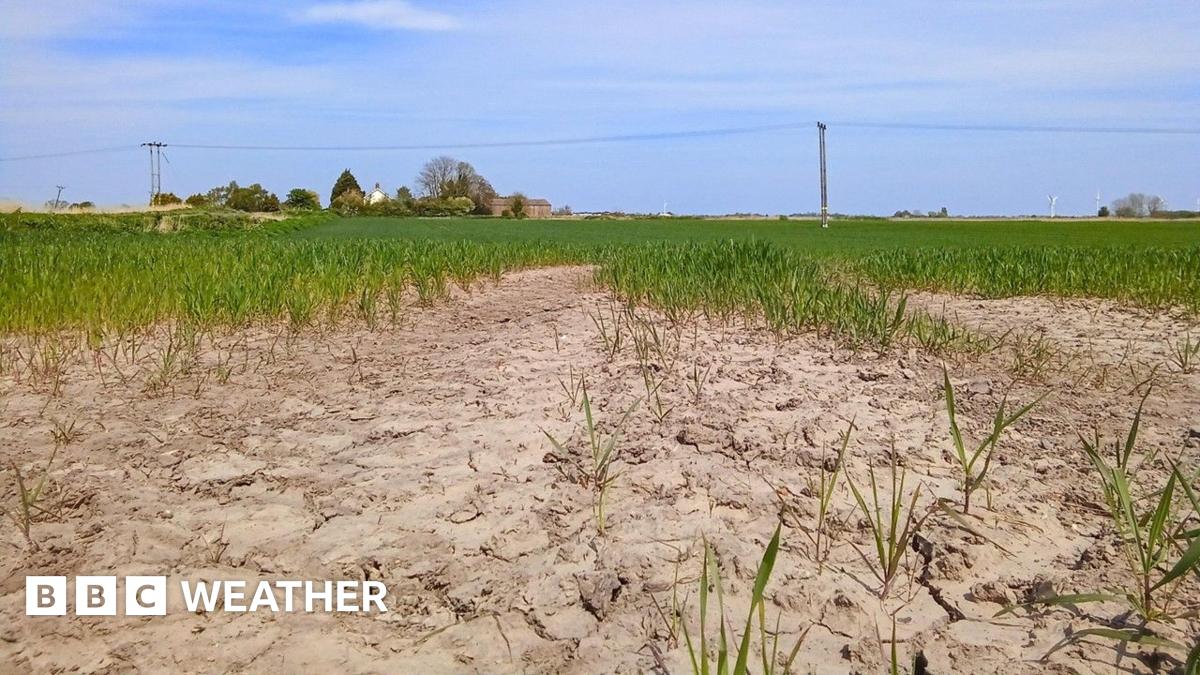
Central England is experiencing an unusually long dry spell that has prompted reported concern about a possible drought. The BBC News report frames this as a developing concern rather than a confirmed national emergency, and no official drought declaration is cited in the source.
Quick answer: is the UK in drought?
Short answer: there are growing drought concerns in parts of England, especially central England, but authorities have not, according to BBC News, formally declared a nationwide drought. The BBC article is the basis for this report and is explicit about the difference between reported concern and a formal declaration.
What central England is experiencing
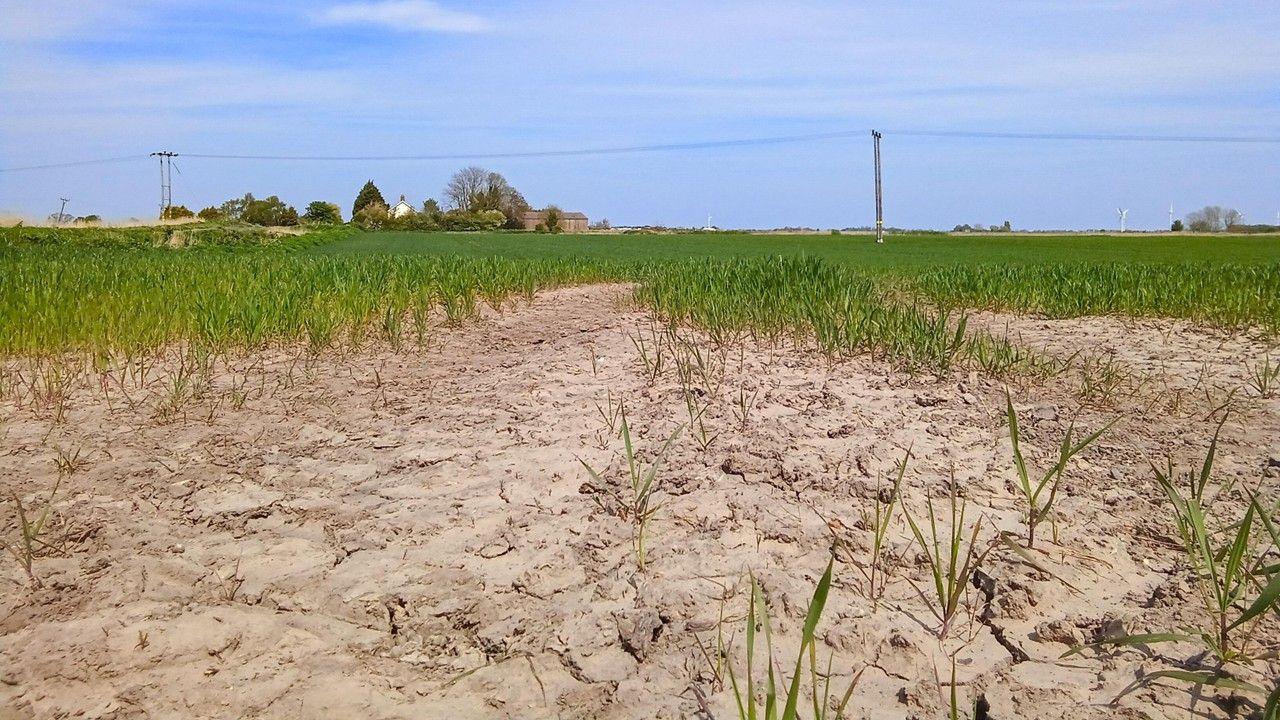
Central England has recorded its longest dry spell in over 30 years, according to the BBC. Local weather stations and observers report prolonged low rainfall and visibly dry ground in some areas. That pattern stands out because it follows seasons with below-average precipitation in parts of the region.
In towns and rural communities across central counties, public spaces and small streams have shown signs of drying. Gardeners and farmers are reporting moisture stress in soils that would normally have recovered by mid-summer. These are local, observable impacts rather than a single nationwide metric.
What the dry spell means for rainfall and water
A prolonged dry spell reduces local rainfall totals and soil moisture. That typically leads to lower flows in small rivers and streams, increased irrigation needs for crops, and drier landscapes in parks and hedgerows.
Importantly, the BBC report does not state that an official drought declaration has been made. Formal drought status is determined by technical assessments from water companies and government agencies that consider reservoir levels, river flows, groundwater, and demand. This report follows the BBC in treating the situation as reported concern pending those assessments.
Water companies keep close watch on supply and demand. Large reservoirs and regional supply networks often provide a buffer against immediate household shortages, but sustained low rainfall can erode those buffers over time. If local measurements fall to critical levels, companies may request voluntary conservation or, in more acute situations, impose temporary restrictions such as hosepipe bans. The BBC piece mentions concern rather than an enacted set of national measures.
Short impacts and what residents might notice
Residents in affected areas may notice drier parks and riverbanks, lower flows in minor rivers, and increased dustiness on unpaved paths. Garden plants and early summer crops can show wilting or slower growth without timely rain.
For most households, immediate supply interruptions remain unlikely while regional storage remains adequate. However, localized impacts on agriculture and smaller watercourses can be meaningful and may affect local communities and farmers before wider supply issues appear.
What to watch next
Key indicators to follow in the coming days and weeks are rainfall totals for central England, river flow measurements, reservoir levels, and official updates from water companies and the Environment Agency. The BBC article highlights that these technical measures determine whether a situation moves from concern to formal drought status.
Short-term weather forecasts will indicate whether an incoming system could break the dry spell. If models show persistent high pressure and little rain, concerns are likely to increase. Conversely, widespread, consistent rainfall would reduce immediate risk and restore soil moisture and river flows.
Local forecasts and national meteorological updates are the best immediate sources for when it might rain. Watch for consecutive days of sustained rainfall across catchment areas rather than isolated showers; that kind of widespread rain is what replenishes reservoirs and river systems effectively.
Forecast and next steps
Forecasters will update short-term models frequently. If you live in central England, check local weather services and your water supplier for targeted guidance. Authorities will publish reservoir and river flow data if conditions worsen to the point that formal actions are considered.
Preparedness steps for households include conserving water where practical, repairing visible leaks, and following any guidance from your local water company. Farmers and those managing green spaces should consult agricultural extension or advisory services for irrigation recommendations that match soil and crop needs.
Frequently asked questions
Has a drought been officially declared in the UK?
No. According to BBC News, concerns about drought have been reported in parts of England, but the article does not say an official drought declaration has been made. Formal declarations rely on technical assessments by relevant authorities.
How long has central England been without significant rain?
The BBC report states central England is in its longest dry spell in over 30 years. The description refers to a prolonged period without notable rainfall across parts of the region rather than a single-day event.
What can residents do now to reduce water use?
Simple conservation steps help: limit non-essential outdoor watering, use water-efficient fixtures, repair leaks promptly, and follow any requests from local water suppliers. These actions reduce pressure on local supplies while agencies continue monitoring conditions.
Source and further reading
Source: BBC News — Is UK facing drought for second summer in a row? (published 2026-07-21)