Lede: what the papers show about Andy Burnham
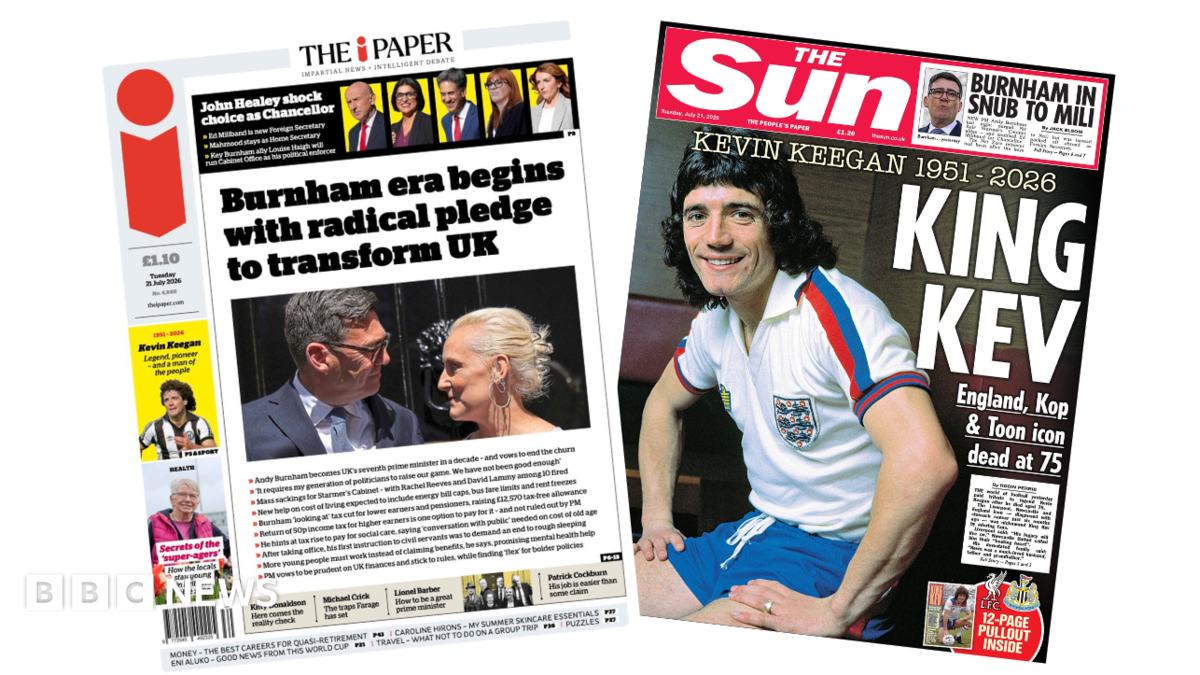
Andy Burnham features across UK front pages in a BBC roundup that presented the papers’ covers as if it were his first day as prime minister. The headlines collected by the BBC emphasise a sense of a political reset, with several titles using the phrase “Burnham era begins” and others opting for lighter, personality-led tags such as the quoted “King Kev.”
That phrasing is how national editors chose to present the moment in splash pages and mastheads; this article summarises those covers, highlights repeated lines of coverage and offers quick context for readers unfamiliar with Burnham’s profile.
Front pages in brief
The BBC collection shows a consistent editorial move: position Andy Burnham as the centrepiece of the day. Several papers use language indicating a clear break from the previous leadership, with cover lines such as “Burnham era begins” signalling a fresh start.
Other front pages favour colour and shorthand. The quoted phrase “King Kev” appears in coverage cited by the BBC, illustrating how some titles reach for memorable, informal labels to catch readers’ attention. These nicknames are media framings, not official designations.
Photography choices reinforce the headlines. Many pages pair large portraits or dynamic shots of Burnham with bold typography to convey leadership and momentum. A smaller set of papers chose to foreground immediate policy pledges or reactions from rivals, but the dominant visual message is one of transition and stage-setting.
Themes across the headlines
Three recurring motifs stand out across the front pages: prime ministerial change, first-day momentum and personality-focused framing. Editors repeatedly returned to shorthand such as “first day” and “Burnham era,” which makes the story readable at a glance and primes audiences about what to expect next.
Tonal variation is notable. Some titles present the moment as triumphant and consequential, lending a sense of mandate to the incoming leadership. Others adopt a more sceptical or jocular tone, using playful tags to undercut formality. Even so, most covers treat the same core event as front-page news.
That repetition matters: when multiple outlets use the same framing, it amplifies the chosen narrative across broadcast bulletins, social feeds and public conversation.
Quick background on Andy Burnham
Andy Burnham is a prominent Labour politician who has served in senior government and party roles over many years. The BBC roundup presents the newspapers’ reaction to a hypothetical or editorial framing of his “first day as prime minister,” and the covers reflect editors’ judgements about the political significance of that scenario.
For readers who do not follow UK politics closely, the front pages focus more on symbolism — leadership, tone and immediate priorities — than on detailed policy analysis at this early stage.
Why this coverage matters
Front pages are one of the fastest ways to set the public agenda. A headline like “Burnham era begins” communicates a clear narrative cue: expect change, watch for early appointments and look for defining policy moves. That cue shapes how broadcasters, commentators and social media discuss the new leadership in the hours and days that follow.
Early media frames can also influence public perception of momentum and mandate. If most papers present a leadership change as decisive and positive, that consensus can bolster a new leader’s initial standing; if coverage is sceptical, it provides fodder for opposition lines and critical commentary.
Source attribution
This roundup is based on the BBC’s collection of national front pages and headlines in its piece “The Papers: ‘Burnham era begins’ and ‘King Kev’.” The BBC item is the primary source for the images, exact quoted headlines and the selection of covers summarised here.
For the original BBC roundup and the full set of front pages cited, see: BBC News – The Papers: ‘Burnham era begins’ and ‘King Kev’
FAQ
Why are newspapers calling it the Burnham era?
That language is an editorial shorthand used by several front pages to suggest the start of a new political phase under Andy Burnham. It summarises the idea of a leadership transition rather than describing any formal constitutional change.
Who is referred to as King Kev in the headlines?
“King Kev” appears as a quoted phrase used by one or more papers and picked up in the BBC roundup. The nickname is an informal, attention-grabbing label used by the press and is not an official title or role.
Where can I see the front pages quoted here?
The BBC’s roundup of national newspaper front pages is the source for the quotes and images referenced in this story. The original BBC News piece is linked above in the source attribution.