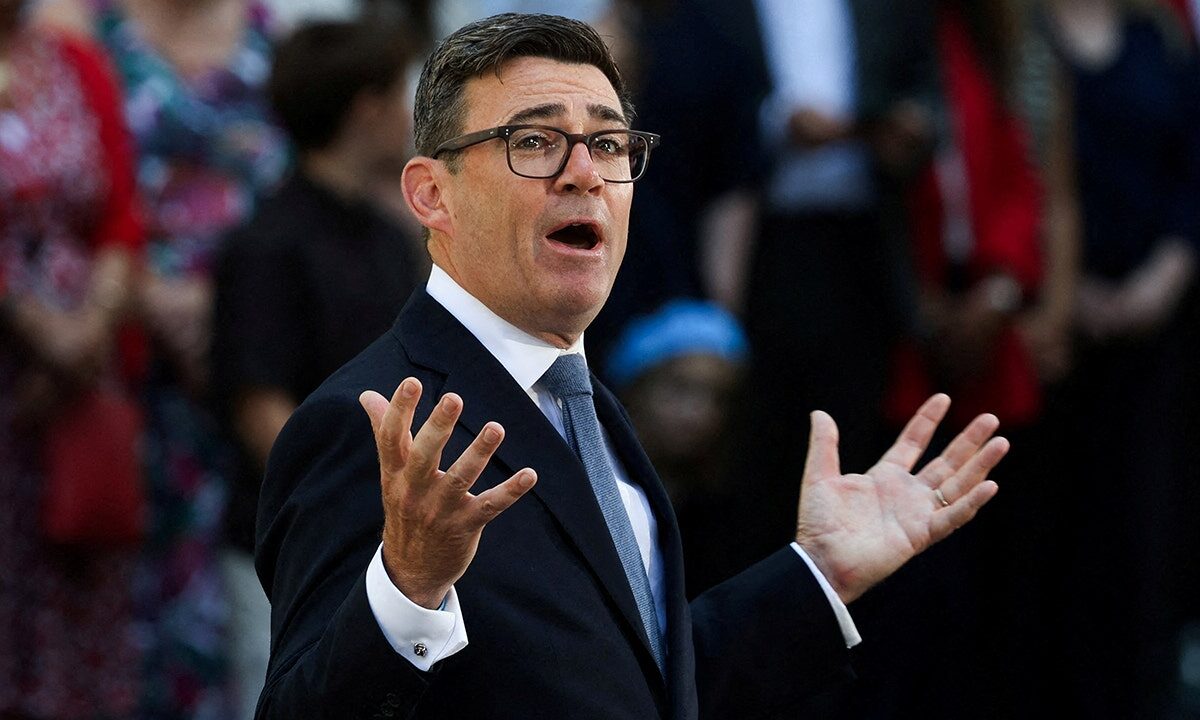
The Trump Andy Burnham call took place soon after Andy Burnham assumed office, and President Donald Trump described the first conversation as “very good,” offering broad American support as Burnham begins his premiership. The leaders touched on trade, North Sea energy and security in the Strait of Hormuz, and they said a meeting is planned “in the not too distant future.”
“The call was interesting, and went very well. I wished Prime Minister Burnham, GOOD LUCK AND GODSPEED!”
Quick summary of the call
The call was framed as a diplomatic first step: Trump and Burnham exchanged greetings, reaffirmed the U.S.-U.K. relationship and outlined shared priorities they hope to pursue together. Both sides characterized the tone as constructive, while offering relatively broad statements rather than firm, operational commitments.
According to official statements, the leaders discussed the bilateral alliance, economic ties and regional security challenges. Downing Street said Burnham stressed the U.K.’s commitment to keeping key shipping lanes open and to working with partners on energy and defense issues.
Trump Andy Burnham call: topics covered
Officials on both sides identified several specific subjects on the agenda: North Sea oil, trade talks aimed at deepening commercial ties, and security measures related to the Strait of Hormuz. The call also referenced the enduring U.S.-U.K. military and intelligence partnership.
Participants noted the strategic importance of the Strait of Hormuz as a global shipping route and said clearing mines and restoring safe passage were priorities. On trade and energy, the leaders signaled a desire to coordinate policy where possible, while underscoring that detailed negotiations will follow.
What the leaders said and what it means
Trump emphasized support for Burnham as he takes on the job of prime minister and suggested the United States would be a partner in addressing shared challenges. Downing Street framed the call as an early reinforcement of allied cooperation.
“The Prime Minister has got a big job ahead of him, but he will be able to do it and, of course, the U.S.A. will be there to help!”
Those public lines indicate political backing but stop short of operational detail. Pledges of assistance at this stage are broadly phrased: they signal political intent and goodwill but do not yet specify timelines, resources or concrete mechanisms for joint action on, for example, maritime clearance or energy policy coordination.
Analysts say that while positive rhetoric can ease diplomatic friction and set negotiation frameworks, translating promises into action will require interagency talks, legal agreements and, where necessary, parliamentary or congressional approvals.
Early implications for shipping and energy
Mentioning the Strait of Hormuz and the North Sea in the same conversation highlights two immediate areas where cooperation could affect markets and supply chains. If allies coordinate maritime security operations, the practical outcome could be reduced shipping risk premiums and lower costs for oil and goods — but that depends on execution.
On North Sea oil, bilateral engagement may focus on investment stability, licensing and infrastructure support. For businesses, clearer signaling from governments can influence investment timetables; for households, any resulting easing of energy price volatility would emerge only over months, not days.
Securing the Gulf maritime routes typically requires combined naval planning, intelligence sharing and mine-clearance capabilities. Those are complex, resource-intensive tasks that cannot be completed by diplomatic pledge alone.
What comes next
Both leaders said they expect to meet in the “not too distant future,” but officials gave no firm date or public agenda. Next steps are likely to include working-level talks between foreign, defense and trade officials to translate broad promises into specific programs and timelines.
Observers caution that early political support creates momentum but also raises expectations. Follow-up will be needed on three tracks: security operations in the Gulf, trade and economic policy alignment, and energy cooperation around the North Sea. Each track has its own timeline and technical hurdles.
In short: the call establishes intent and goodwill, but details and deliverables will be worked out in subsequent, often slow-moving, negotiations.
FAQ
What did Trump and Burnham discuss?
They discussed the U.S.-U.K. relationship broadly, with specific mentions of North Sea oil, trade, the security partnership and efforts to secure the Strait of Hormuz. Officials described the exchange as constructive but did not announce detailed agreements.
Will Trump visit Manchester?
Burnham’s office said the prime minister looked forward to welcoming Trump to Manchester, but no date for a state or working visit has been set.
Does the call mean the Strait of Hormuz will reopen now?
No. Statements spoke of commitment to reopening the Strait safely. Reopening or securing the route would require coordinated planning and operational steps that were not detailed during the initial call.
Next steps will focus on arranging official follow-up talks and technical planning to move from political pledges to operational plans.
Source: Fox News
Background: Andy Burnham became Britain’s seventh prime minister in a decade, succeeding Keir Starmer. Burnham has said he will prioritize reindustrialization and national security while navigating political challenges at home and diplomacy abroad.