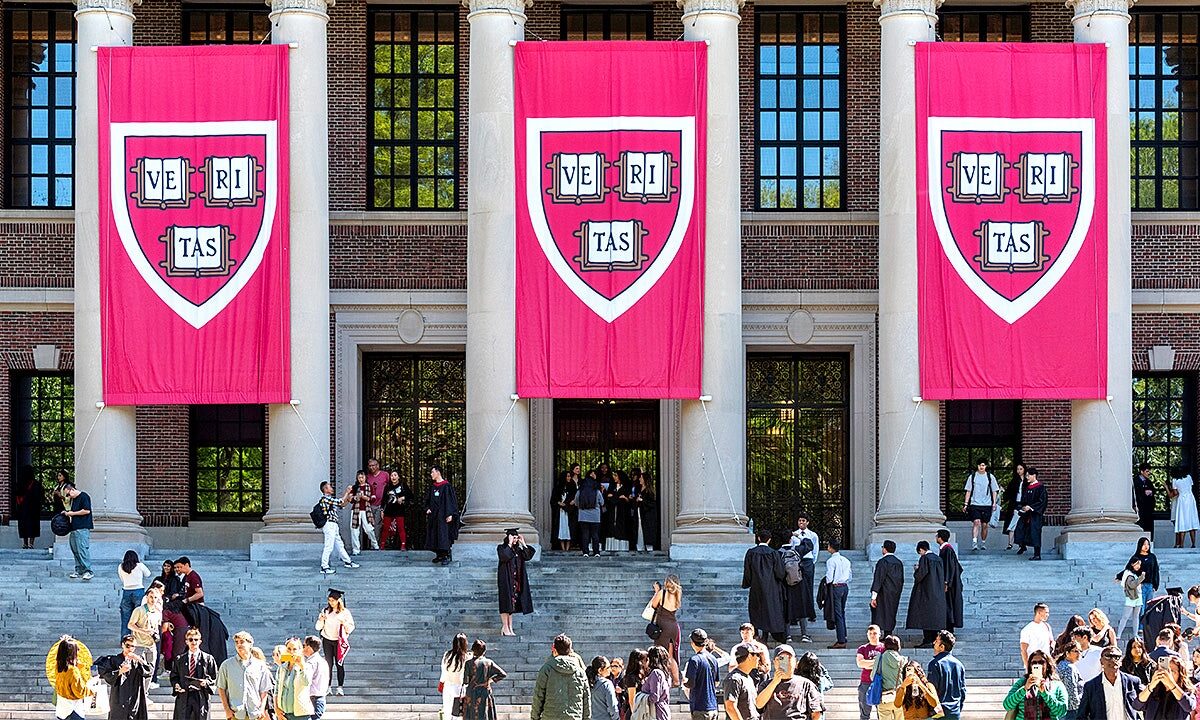
The Justice Department has opened an ongoing review into whether foreign donations to Harvard University steered financial aid to students from particular countries — a subject federal officials say could implicate civil-rights law. The Harvard financial aid probe is focused on donor conditions, disclosure of foreign funding and whether nationality-based restrictions may have affected how aid was awarded (DOJ).
Harvard financial aid probe: what DOJ is reviewing
Federal investigators in the Civil Rights Division are examining whether some overseas gifts to colleges, including Harvard, included conditions limiting eligibility by nationality and whether any such conditions conflicted with obligations tied to federal funding. DOJ officials say the inquiry grew out of an audit of required foreign-funding disclosures from U.S. colleges and universities (DOJ: Civil Rights Division).
Assistant Attorney General for Civil Rights Harmeet Dhillon said in public remarks that “every American student should have an equal opportunity to compete for college scholarships, grants, and other kinds of financial aid and benefits,” and the department emphasized the review is ongoing and has not reached conclusions (DOJ). Harvard responded that it follows reporting rules and said it does not unlawfully discriminate on the basis of race, ethnicity or national origin when allocating aid (Harvard statement).
How Harvard reports foreign donations
According to the Civil Rights Division audit of higher-education foreign-funding disclosures, Harvard reported nearly $4.5 billion in foreign gifts and contracts — the largest total among U.S. universities — and more than $630 million of that was reported as coming from donors in China (DOJ audit summary). Federal reporting rules require institutions to disclose foreign gifts and contracts valued at $250,000 or more, a threshold intended to improve transparency about overseas funding arrangements (DOJ guidance).
Those public disclosures let investigators and the public see large-scale foreign funding flows and any donor conditions that accompany major gifts. Harvard provides institutional aid to international students using private funds, while direct federal student aid typically goes only to eligible U.S. students; the DOJ review is probing whether private donor terms blurred that distinction when they limited recipients by nationality (Harvard statement; DOJ).
Allegations and legal issues under Title VI
The central legal question involves Title VI of the Civil Rights Act, which prohibits recipients of federal funds from discriminating on the basis of national origin. In practice, DOJ review asks whether honoring a donor’s nationality-based restriction while also receiving federal funds could amount to unlawful discrimination under Title VI (DOJ; legal overview).
Under Title VI analysis, investigators look for evidence of intentional discrimination or policies that have a discriminatory effect against a protected class. The department’s public comments have framed nationality-based exclusion of American students from donor-funded awards as potentially problematic when those recipients also accept federal support (DOJ). Officials stress that investigations examine documents and context before any enforcement decision is made.
(Brief definition: Title VI prohibits discrimination on the basis of race, color or national origin by programs receiving federal financial assistance.)
Known gifts and donor examples
Public reporting has identified past donations earmarked for students from specific countries. One often-cited example is a 2014 gift by SOHO China co-founders Pan Shiyi and Zhang Xin — a reported $15 million donation to support Chinese students at Harvard; press coverage has discussed the gift, but the DOJ has not confirmed whether that specific donation is part of its active review (public reporting; DOJ).
Investigators have noted other patterns of China-based giving and other foreign gifts directed toward students from particular nations in the disclosures they reviewed, but the department has not released a list of donors or scholarships under scrutiny and has expressly said it has not reached determinations about violations (DOJ). Because DOJ has not named specific donors tied to alleged violations, reporting avoids implying confirmed wrongdoing.
Legal experts and university compliance officers caution that donor restrictions come in many forms: some are narrowly administrative (for example, awards for study-abroad students from a particular country), while others could be broader. Determining whether a restriction is unlawful requires examining donor intent, how terms were applied and the role of federal funding (legal experts; Harvard statement).
What comes next for students and Harvard
The review could produce a range of outcomes: the DOJ may close the inquiry with no action, seek voluntary corrective steps, or pursue enforcement measures if it finds violations of Title VI or other requirements. Officials say they will follow the evidence from document reviews and any interviews with university staff or donors (DOJ).
For current and prospective students, immediate impacts are likely limited while the review proceeds. Harvard says it continues to provide institutional aid to international students and that federal student-aid rules remain in place pending the review (Harvard statement). Students and families concerned about specific scholarships should watch for official updates from both the university and the Justice Department.
Investigators may issue follow-up requests for records or seek interviews with university administrators. Any formal findings, settlements or enforcement actions would typically be announced publicly by the DOJ and reflected in updated disclosures by the institution (DOJ).
Background and context
The examination of foreign gifts at Harvard comes amid broader federal attention to foreign funding at U.S. colleges and universities. Federal agencies and university oversight offices have increased scrutiny of large foreign gifts to assess transparency, potential conflicts of interest and compliance with applicable laws and regulations (DOJ; higher-education reporting).
Observers note universities balance donor intent with nondiscrimination obligations, and many institutions have updated acceptance and reporting policies in recent years. The legal line between permissible donor preferences and unlawful nationality-based exclusions often depends on context and whether federal funds are implicated (legal experts; Harvard statement).
Conclusion and next steps
The Harvard financial aid probe remains an active, document-driven review by the DOJ’s Civil Rights Division. Officials emphasize the inquiry is ongoing and have made no findings to date; Harvard maintains it complies with legal obligations and reporting rules (DOJ; Harvard statement). Students and observers should monitor official DOJ announcements and Harvard communications for any developments or guidance on affected scholarships and disclosures.
Sources: U.S. Department of Justice, Civil Rights Division (https://www.justice.gov/crt); Harvard University official communications (https://www.harvard.edu/news); original reporting by Fox News (https://www.foxnews.com/politics/harvard-china-financial-aid-probe) and coverage by the Associated Press (https://apnews.com).