Nineteen people in Indonesia were convicted this week in connection with a baby trafficking ring that involved at least 34 babies, but judges did not decide where the children will live after the guilty verdicts. BBC News reported the criminal findings; the ruling focuses on punishment for traffickers while leaving an urgent child-welfare question unresolved: who will care for the infants long term?
By The Nonstop News | 21 July 2026
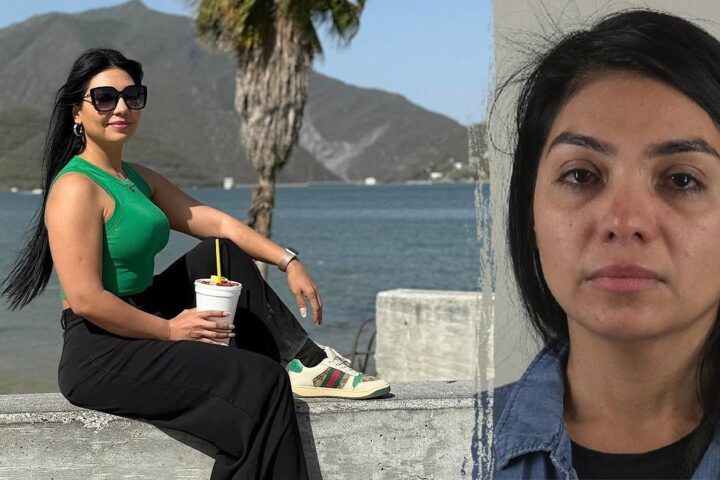
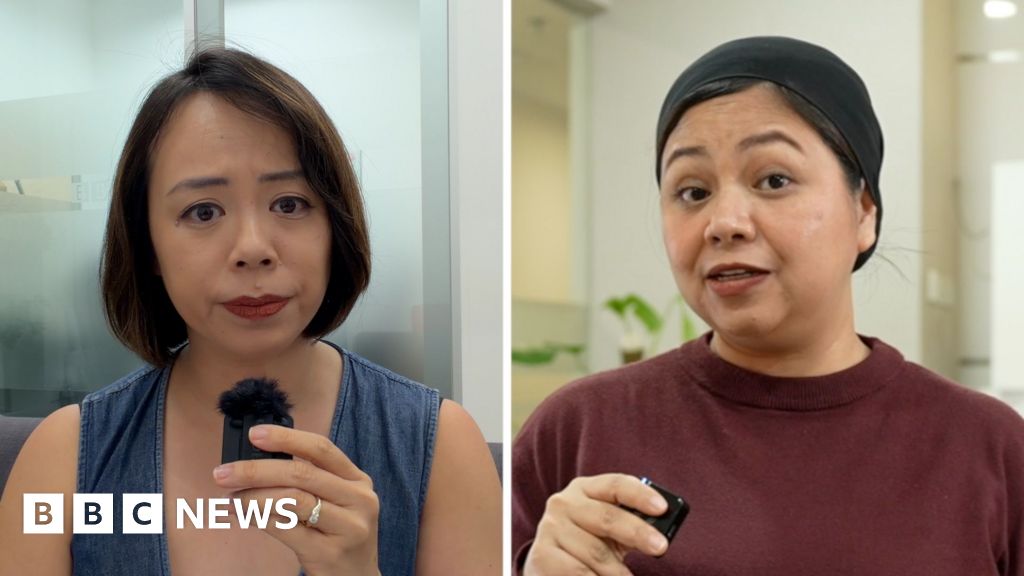
The following images from BBC reporting illustrate the case and the immediate aftermath.
What the court decided in the baby trafficking ring case
A court in Indonesia found 19 people guilty in a trafficking operation that involved at least 34 babies, BBC News reported. The convictions cover roles in arranging and moving infants between parties for illegal adoption or sale, establishing criminal liability for organizers, intermediaries and others involved in the network.
BBC coverage describes the judgment as concentrating on the criminal conduct rather than on child-placement outcomes. Reporting said the court documented a pattern of coordinated activity across regions; it did not, in initial reports, publish full lists of names or detailed sentences for every defendant.
What happens to the babies now
The central unresolved issue from the trial is custody. The criminal verdict did not settle where the 34 babies will be placed, and prosecutors and judges signalled that separate civil or family-court processes must determine guardianship and any permanent arrangements. BBC News has emphasised that verdicts alone do not rehouse children or substitute for welfare decisions.
Immediately after the raids, local social-service teams moved many of the infants into temporary protective care. Those emergency steps typically include medical checks, vaccinations, short-term shelter and nutrition plans while authorities verify parentage and next-of-kin claims.
A brief human scene helps explain why speed matters: in a reception room set up by social services, a cot holds a sleeping newborn beneath a thin blanket while a nurse ticks a clipboard and checks a small ID tag. For infants, days of uncertainty can interrupt feeding routines and early bonding, complicating later placements.
How Indonesian law and children’s care systems handle cases
Indonesia separates criminal prosecutions from civil determinations about custody. A criminal court can convict traffickers under anti-trafficking statutes, but custody, guardianship and adoption are typically handled by family or juvenile courts and by child-protection agencies within government social services.
When biological parents are absent, unfit or unverified, child-welfare agencies carry out assessments to determine whether relatives can take custody, whether foster placements are available, or whether children should remain in state care. Adoption requires formal legal processes, home studies and background checks; illegal adoptions organised by traffickers bypass these safeguards and must be undone through careful review.
In practice, that means each of the 34 children will need an individual welfare assessment, health screening and a documented path toward either reunification with verified family, approved foster care, or a formal adoption process. BBC reporting notes officials face heavy administrative loads and limited resources in such cases.
Why this matters
The convictions expose a criminal market that treats infants as commodities and highlight the gap that can open between holding traffickers to account and ensuring victims receive continuous care. Convictions are vital for justice, but they do not automatically resolve the child-protection challenges left in their wake.
Child-welfare advocates warn that delays in stable placement raise risks: psychological stress from multiple moves, missed medical follow-ups, and in worst cases the possibility of secondary exploitation if oversight is weak. For policymakers, the case points to the need for policies that link criminal findings to rapid, resourced welfare actions.
What to watch next
Reporters and officials should track several follow-ups closely, and BBC News remains the primary source for updates on the verdict and immediate consequences.
- Family/juvenile court reviews and custody rulings — may follow in the coming weeks to months.
- Social-service assessments and placement reports — health and welfare checks in the days and weeks after raids.
- Sentencing details, appeals and potential restitution measures for victims — legal timelines can extend for months.
- Oversight actions by child-protection ministries or international partners — monitoring of placements and safeguards over the medium term.
Officials to watch include Indonesia’s child-protection ministry and local social-service directors; statements from those offices and from prosecutors will clarify custody pathways, placement numbers and whether convicted defendants face additional orders related to victim support. BBC News reporting should be consulted for ongoing coverage of these developments.
Frequently asked questions
How many people were convicted in the baby trafficking ring?
Nineteen people were convicted, according to BBC News reporting on the case.
What will happen to the 34 babies now?
The court did not decide custody. Children were moved to temporary protective care, and longer-term placement depends on follow-up family or juvenile court decisions and child-protection assessments in Indonesia.
Were the convicted individuals named or sentenced?
BBC reporting confirms convictions but did not list every name or provide full sentencing details in initial coverage. Court documents and future reporting may provide more on penalties and any victim remedies.
Source: BBC News – Top Stories