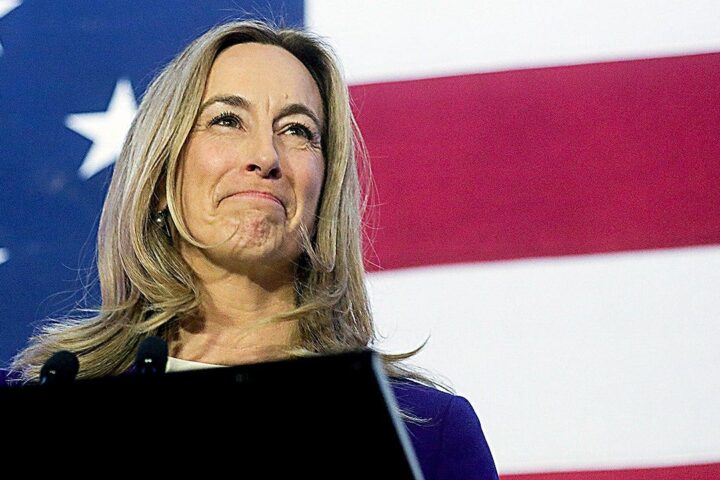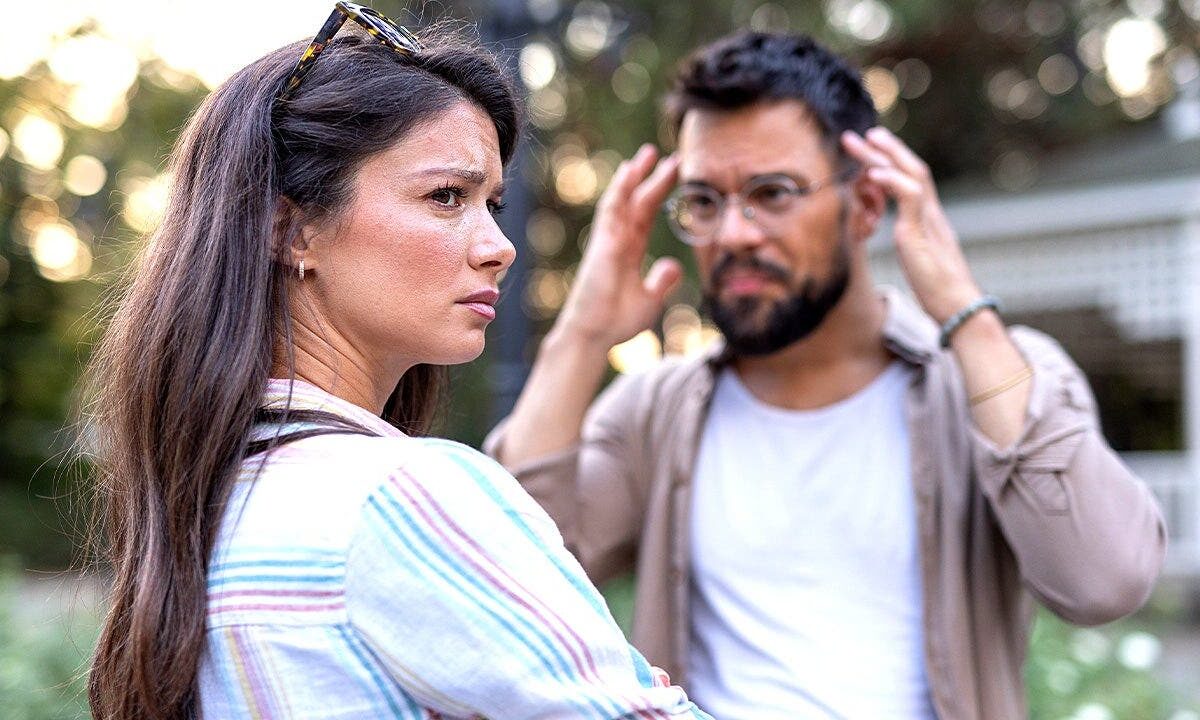
The USA Today op-ed at the center of this analysis warns that the anti-marriage movement and rising “heteropessimism” are reshaping attitudes about relationships—and that women may be among those most affected. The phrase “anti-marriage movement” is used in the column to describe a cluster of cultural trends, media narratives and celebrity statements that the author argues encourage opting out of marriage.
Op-ed summary: Jacques on heteropessimism and the anti-marriage movement
Columnist Ingrid Jacques frames her piece as a cautionary argument: she says cultural currents she labels heteropessimism have widened a divide between the sexes and helped normalize choosing singlehood over marriage. The op-ed ties viral social-media trends, books and public commentary to broader demographic change and concludes that reversing those cultural signals—”returning to marriage,” in the columnist’s words—is a remedy for what she describes as a growing social rift.
anti-marriage movement: The numbers — marriage rates and children
Jacques anchors part of her cultural critique with U.S. Census Bureau figures about households. The Census press release cited in the column reports that in 2025, 47% of U.S. households were married-couple households, down from roughly 66% about 50 years earlier. The piece also highlights Census reporting that in 2025 only about 37% of married households included their own children under 18, versus roughly 54% in 1975. Readers can view the Census release here: https://www.census.gov/newsroom/press-releases/2025/families-and-living-arrangements.html.
Jacques also references results from the American Family Survey (AFS) on self-reported life satisfaction and political leaning. The AFS is a recurring national survey; methodology and questionnaire details are available from the survey sponsor (see the AFS site for methods): https://www.americafamilysurvey.org/ and https://www.foxnews.com/media/new-poll-shows-liberal-women-most-unhappy-lonely (coverage of those AFS findings as cited in the op-ed).
Cultural drivers: divorce glow-ups, books and social media
The op-ed points to viral TikTok trends such as “divorce glow-ups”—before-and-after posts celebrating life after a breakup—as cultural signals that may normalize leaving or avoiding marriage. Jacques also names contemporary books and essays, both fiction and prescriptive, that contribute to the public conversation. The piece references titles such as Yesteryear and discusses Louise Perry’s The Case Against the Sexual Revolution as part of the debate over whether modern sexual norms and hookup culture have left some young women feeling alienated.
Voices and claims: named figures and controversial lines
Jacques cites several public figures and commentators as examples of cultural messages about single life and marriage, including Elizabeth Gilbert and Emily Ratajkowski. The column also attributes a provocative line to comedian Leslie Jones; that attribution appears in the secondary coverage but a primary-source instance of that exact phrasing is not linked in the op-ed and could not be independently verified in this analysis. Readers should treat that attribution with caution until a primary source is shown.
The op-ed further asserts—citing unspecified studies—that “married women are not only happier but also live longer and earn more than their single counterparts.” Those are empirical claims that rest on a broad literature with mixed findings. For example, peer-reviewed meta-analytic work finds an association between marriage and lower mortality risk (see Roelfs et al., 2011, PLoS ONE: https://journals.plos.org/plosone/article?id=10.1371/journal.pone.0023623). Research on well-being and earnings shows heterogeneous results that depend on measurement, selection effects and controls; some studies find a marriage-related earnings premium, while others emphasize that selection into marriage and changing labor-market roles matter. In short, the scholarly literature documents associations but not simple, universal causal effects for all groups.
Risks, counterpoints and methodology notes
This analysis flags limits in moving from the op-ed’s cultural observations and selective figures to firm causal conclusions. First, the connections Jacques draws between culture and aggregate demographics are interpretive: correlation is not causation. Cultural narratives may influence behavior, but so can economic conditions, housing, education, labor-market shifts and evolving gender roles.
Second, some empirical claims in the op-ed are presented without specific study citations. Important methodological details are often absent in opinion writing: for example, the American Family Survey measures life satisfaction as self-reported responses to specific questionnaire items and uses cross-sectional sampling; AFS methodology is available from the survey’s website (https://www.americafamilysurvey.org/). Census household percentages are descriptive counts and shares based on the Bureau’s survey and decennial frameworks; see the Census release for definitions and notes: https://www.census.gov/newsroom/press-releases/2025/families-and-living-arrangements.html.
Third, countervailing explanations matter. Economic insecurity, rising educational attainment (especially for women), increased cohabitation, delayed marriage, changing norms around childbearing, and policy influences can all contribute to lower marriage rates. These structural drivers are not the primary focus of Jacques’ column but are central to any comprehensive analysis.
Background
Debates about marriage and wellbeing have a long research history. Scholars study multiple outcomes—mortality, mental and physical health, earnings, and subjective well-being—using observational datasets, longitudinal cohorts and meta-analytic synthesis. A consistent finding is that married people often show different average outcomes than unmarried people, but disentangling selection effects (who marries) from causal effects (what marriage does) is complex and remains an active area of research.
What comes next
To move from cultural observation to policy-relevant conclusions, researchers will need clearer causal designs and longitudinal tracking: natural experiments, sibling and fixed-effects studies, and better measurement of cultural exposure (for example, social-media consumption patterns) would help. For readers and policymakers, the immediate next steps are cautious: verify survey measures and controls in studies cited, distinguish cultural interpretation from established causal findings, and watch for further research that explicitly models both cultural messaging and structural economic drivers.
Takeaways
Jacques’ op-ed offers a clear, opinionated case that an anti-marriage movement and heteropessimism may have social consequences—and that some women may be disadvantaged if marriage declines. The column combines cultural observation with selective demographic and survey snapshots to make its point.
At the same time, the evidence in the column is interpretive and selective. Readers should treat the op-ed as an argument that raises important questions about culture and relationships, while recognizing that stronger causal claims require fuller, methodical research and careful attention to survey and study design.
FAQ
What does heteropessimism mean in this context?
In the op-ed, “heteropessimism” refers to growing disappointment or distrust in heterosexual relationships and a cultural tone that portrays dating and marriage as fraught or unrewarding for women. The term is used descriptively to capture a pattern the columnist sees across media and social platforms.
Are marriage rates actually falling in the United States?
Yes. The Census figures cited show a long-term decline in the share of households that are married couples: the 2025 press release reports 47% of households as married couples, down from roughly 66% about five decades earlier. See the Census release for details and definitions: https://www.census.gov/newsroom/press-releases/2025/families-and-living-arrangements.html.
What data did the op-ed cite to support its claims?
Jacques cites U.S. Census Bureau figures on married households and children, and she references the American Family Survey for self-reported life-satisfaction measures by political leaning. The column also draws on cultural examples, books and celebrity statements to support its thesis. Where empirical claims are made, readers should check the original studies and survey methods (AFS methodology: https://www.americafamilysurvey.org/).
Source attribution: This analysis is based on a USA Today opinion column by Ingrid Jacques as summarized in secondary coverage (Fox News): https://www.foxnews.com/media/growing-trend-hating-men-backfires-anti-marriage-culture-leaves-single-women-losing-out. Data sources referenced in the column include the U.S. Census Bureau families and living arrangements release: https://www.census.gov/newsroom/press-releases/2025/families-and-living-arrangements.html and the American Family Survey (AFS) coverage: https://www.americafamilysurvey.org/ (AFS methodology and questionnaire information available on that site). For peer-reviewed context on marriage and mortality, see the meta-analysis by Roelfs et al., 2011: https://journals.plos.org/plosone/article?id=10.1371/journal.pone.0023623.