The Return to October exhibition opens with a concise, immersive overview of the Oct. 7 assault. The Israel Intelligence Heritage & Commemoration Center (IICC) assembled a roughly 600-square-meter exhibit that organizers say combines recovered materials, reconstructed scenes and declassified intelligence to present an account of how the attack was planned and executed.
Visitors first see a large map marked with 114 breach points along Israel’s border and lead artifacts the curators point to as evidence: vehicles, seized weapons, a kidnapping kit, and excerpts from a 47-minute IDF footage compilation. Organizers say many of the items displayed were recovered in the Gaza Strip after the attacks and are shown to illustrate preparation, surveillance and execution.
What the Return to October exhibition displays
The exhibit is organized room by room. An opening gallery centers on the border breaches with the red-marked map and photos of affected communities. A garagelike section displays vehicles that organizers attribute to the assault, including dozens of white pickup trucks and, specifically, displays noting 153 pickup trucks and 350 motorcycles that staff say were used during the operation. Labels describe origins, alleged routes and scenes where those vehicles were found.
A reconstructed Hamas tunnel is part of a gallery meant to demonstrate operational infrastructure. Shelves of recovered books and personal effects — organizers note recovered texts that they say include extremist works such as Mein Kampf — sit alongside photographs from summer camps and youth programs the curators link to recruitment and radicalization narratives.
The room-by-room layout also includes a mock operational plan and aerial photos that organizers say were used to map communities such as Kibbutz Be’eri. The exhibition stresses material continuity from messaging to movement to attack, as reported by Fox News and shown by IICC displays.
Evidence the exhibition presents of long-term planning
Curators display what they describe as declassified Israel Defense Forces intelligence and seized files to argue the assault was premeditated. Labels and placards highlight documentary items such as an operational plan dated Oct. 6 and handwritten material the organizers attribute to former Hamas leader Yahya Sinwar. The organizers also point to documents they say contain instructions to attack and kidnap civilians.
Organizers present lists of vehicles and communications recovered in Gaza and emphasize compiled numbers — for example, the 153 pickup trucks and 350 motorcycles referenced on exhibit panels — to argue scale and coordination. Where possible, the exhibition juxtaposes photographs, recovered documents and translated excerpts to support its narrative.
Weapons, foreign links and material origins
The show displays a range of weapons and parts that organizers attribute to multiple foreign origins. Exhibition panels identify items they describe as Egyptian, North Korean, Russian, Chinese and Iranian-made, and they discuss alleged transfers via Hezbollah and other intermediaries. Organizers frame some displays as evidence of external support and logistics chains backing the assault.
These are organizer attributions based on seized materiel and internal analysis. Independent verification of cross-border supply chains and state-level complicity is complex; outside forensic and intelligence analysis would be needed to corroborate some of the links the curators present.
Victims wall and recovered civilian material
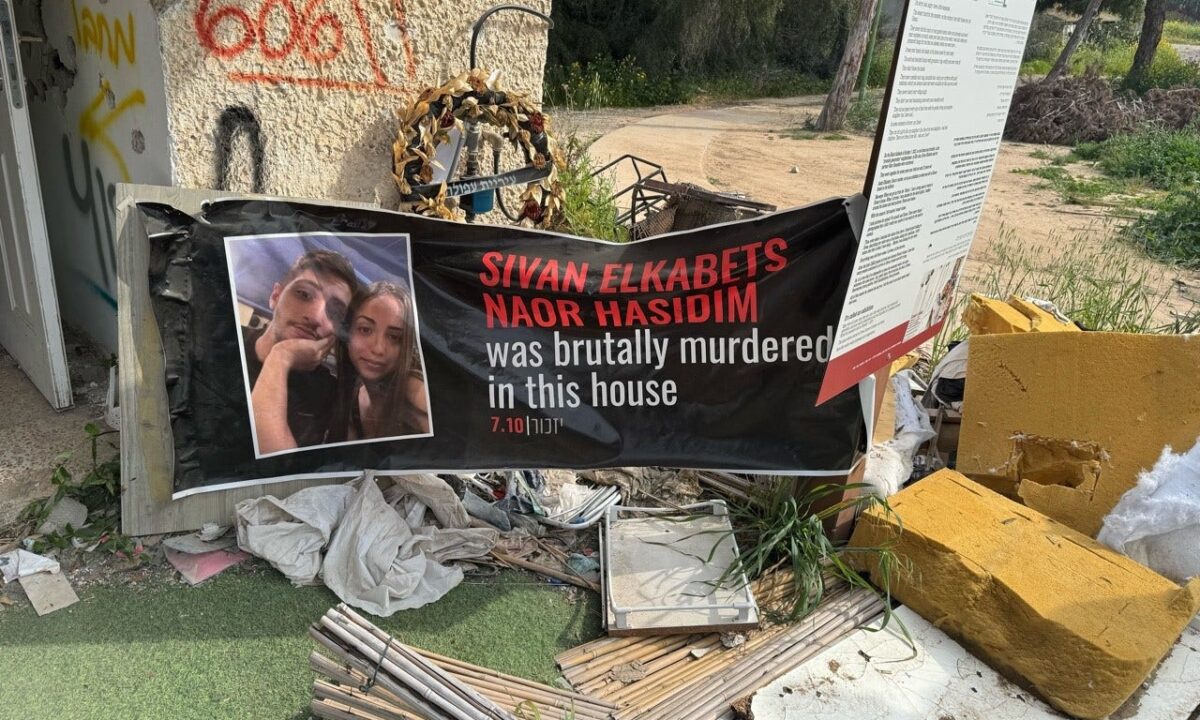
A memorial corridor lists the 1,224 people killed during the attacks, arranged alphabetically with names and photographs. The route through the corridor concludes with footage of freed hostages reuniting with family and artwork depicting scenes from southern Israel after the attacks.
Displays include recovered civilian items — clothing, toys, books and family photos — that organizers say were retrieved in Gaza. Panels and photographs also show what the curators describe as materials used in indoctrination: images of children with weapons and documents from educational settings that organizers interpret as evidence of recruitment pathways.
Contested claims and verification caveats
The exhibition advances several strong claims that the organizers attribute to seized documents and internal analysis. Curators present alleged links between Hamas and Iran, assertions about Hezbollah’s decisions not to join the attack in force, and a disputed claim cited in the exhibit that 60% of reporters killed in the fighting were members of Hamas. Organizers also present figures distinguishing combatants from uninvolved civilians; outside observers note that such classifications can be contested and require independent verification.
Readers should note the difference between primary materials on display (photographs, recovered documents, weapons) and organizer interpretations of provenance, authorship or intent. The IICC labels many items and provides explanatory captions, but third-party forensic reports, academic studies or multilateral investigations would strengthen attribution for some of the exhibition’s broader assertions.
Background and verification status
The IICC assembled the exhibition as both a commemorative display and an intelligence-focused presentation of materials recovered after Oct. 7. Organizers frame the show as a way to document what they say is long-term planning and outside support for the assault. Independent verification of some claims — particularly those that attribute specific items to foreign state suppliers or that characterize individuals found among the dead as combatants — remains a matter for outside analysts and forensic teams. The exhibition itself contains many original documents and photos but does not present a comprehensive set of third-party forensic endorsements in-gallery.
Expert reaction and organizers’ conclusions
Reporting on the exhibit included quotes from IICC-affiliated analysts and guides. Yossi Kuperwasser, associated with the IICC reporting, said: “The main conclusion of this exhibition is that Hamas prepared this terror invasion over a long period in a highly organized and professional manner.”
A tour guide quoted by reporters summarized the lessons organizers emphasize: “The most important lesson is that Israel’s enemies are constantly planning large-scale terrorist attacks.” Another organizer told journalists, “When we fail in our mission, this is the situation we arrive at,” language the curators use to explain the exhibition’s dual goals of commemoration and policy lesson-drawing.
Source attribution and visitor details
This article is based on reporting by Fox News on the IICC’s exhibition launch and contents. For original reporting, see the Fox News story: https://www.foxnews.com/world/israels-new-exhibit-exposes-years-hamas-terrorist-planning-before-oct-7-massacre.
The exhibition was organized by the Israel Intelligence Heritage & Commemoration Center. For official statements and visitor information from the organizers, see the IICC site: https://iicc.org.il. For broader official sources and statements from Israeli defense authorities, readers can consult the Israel Defense Forces’ official site: https://idf.il.
Key takeaways
The Return to October exhibition brings together declassified IDF materials, seized vehicles and weapons, and recovered civilian items to present the IICC’s account of long-term planning and external links tied to the Oct. 7 attacks. Many items in the galleries are primary-source photographs or recovered documents; other claims are organizer interpretations that outside forensic and academic work would need to corroborate. Visitors should read exhibit labels carefully to distinguish posted evidence from analytical conclusions.
FAQ
What is the Return to October exhibition?
The Return to October exhibition is a roughly 600-square-meter show assembled by the Israel Intelligence Heritage & Commemoration Center that combines declassified IDF intelligence, seized documents, vehicles and motorcycles, a tunnel reconstruction and video related to the Oct. 7 attacks.
Who organized the exhibit and where is it displayed?
The exhibit was organized by the Israel Intelligence Heritage & Commemoration Center (IICC). Reporting on the display has appeared in outlets including Fox News; official visitor details and statements are available from the IICC’s website.
What kinds of documents and artifacts are on view?
Displayed materials include seized operational plans, handwritten documents attributed by organizers to Hamas figures (including material attributed to Yahya Sinwar), vehicles and motorcycles, recovered weapons the curators attribute to several foreign origins, a mock tunnel, and a corridor memorializing the 1,224 people killed.
Source: Fox News reporting on the IICC exhibition and organizer statements; official organizer information at the IICC site.