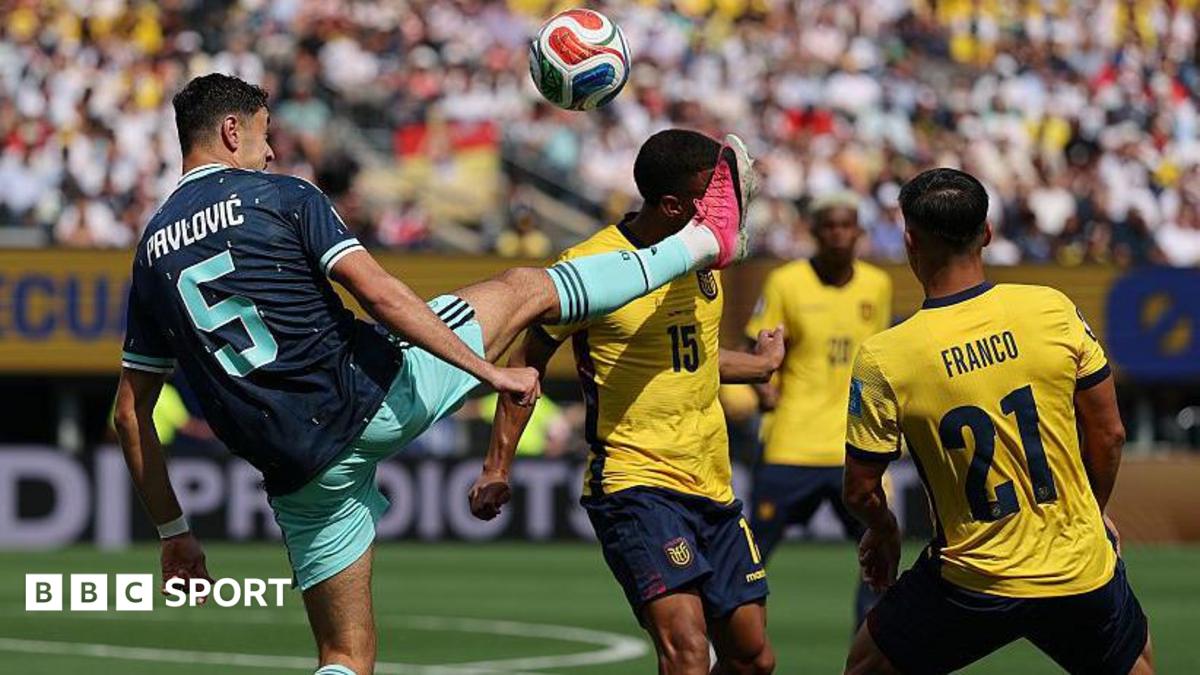
After a week of strange decisions at the World Cup, many supporters say VAR has left them scratching their heads. VAR featured in several pivotal reviews that changed match outcomes and provoked visible confusion among fans and broadcasters.
This analysis summarises what happened, explains how VAR decisions are made, explores why supporters describe the system as a “lottery,” and sets out the official limits and likely next steps as the tournament continues.
What happened this week
Across multiple games this week, video assistant referees reviewed incidents that led to reversed calls, goals being ruled out, and penalties being awarded or rescinded after lengthy checks.
BBC reporting noted a cluster of disputed rulings that drew particular attention from supporters and pundits, who highlighted a perceived pattern of inconsistent outcomes. The broadcaster recorded strong stadium reactions and social-media debate following several high-profile reviews.
Those incidents together crystallised a wider conversation about how VAR is applied at major tournaments and whether similar-looking incidents are being treated consistently.
How VAR decisions are made
VAR is intended to correct “clear and obvious” errors in four categories: goals, penalties, direct red cards and mistaken identity. Reviews can be initiated by the VAR team or at the on-field referee’s request.
In practice, the VAR team watches multiple camera feeds and communicates with the referee. If the VAR believes there was a clear error, the referee may overturn the call or perform an on-field review using the sideline monitor to see replays before confirming a final decision.
Several technical and procedural factors shape outcomes. Different broadcast angles, replay speed, and the choice of frame for slow-motion replays can change how an incident appears. The laws of the game still rely on referee judgement for many borderline situations.
That mix of technology and judgement means VAR is not a purely mechanical correction tool: it reduces some obvious human errors but does not remove subjectivity where fine margins are involved.
Why supporters say it feels like a lottery
Supporters have given three main reasons for describing VAR as a “lottery.” First, incidents that look comparable on TV have sometimes produced different outcomes. BBC coverage highlighted examples where viewers saw two similar moments resolved differently, fuelling doubts about consistency.
Second, some checks depend on subjective assessments—whether a small contact merits a penalty, or whether an attacker is offside by a boot or a toe. Different officials may reach different conclusions in those tight scenarios.
Third, long delays and limited public explanation can intensify frustration. Fans in stadiums and viewers at home often do not see the full set of replay angles the VAR team uses, and broadcast summaries are sometimes brief. The resulting opacity makes it harder for supporters to understand the rationale behind decisions.
BBC reporting captured fan reaction in stadiums and online, showing how repeated contentious calls over the same period contributed to the perception that luck, rather than a stable standard, was sometimes deciding outcomes.
Official context and limits of the system
Governing bodies emphasise that VAR assists but does not replace the referee. The system’s remit—what can and cannot be reviewed—is defined in the competition’s operational guidelines and the Laws of the Game.
Officials and refereeing committees say VAR’s aim is to correct clear and obvious errors, not to eliminate every marginal or debatable call. That distinction explains why some borderline incidents remain contentious even after review.
Those official constraints were reiterated in media briefings covered by BBC News, which noted that VAR cannot create new evidence or change the fundamental need for on-field judgement in close cases.
What comes next for VAR at the tournament
Tournament refereeing bodies typically review patterns of decisions during competitions. Expect match officials and refereeing committees to monitor recent incidents and, if necessary, issue clarifications or reminders to promote consistent interpretation.
Practical steps could include targeted briefings for referees about borderline situations, refining communication protocols so broadcasters and fans get clearer explanations, or minor workflow adjustments to how replays are selected for review.
For supporters, the immediate things to watch are any official statements from refereeing authorities and clearer in-broadcast explanations of decisions. That information can help reduce the impression that outcomes are arbitrary.
Frequently asked questions
What happened with VAR?
VAR reviewed multiple key incidents this week that changed on-field decisions, including tight offside and penalty checks. The cluster of controversial rulings prompted criticism and questions about consistent application, as reported by BBC News.
Why does VAR matter?
VAR matters because it can alter match results and tournament standings. Fans and teams expect consistent application of the rules; when similar incidents produce different outcomes, trust in officiating can be damaged.
What happens next?
Match officials and tournament organisers will likely review the recent incidents, reinforce guidance to referees and possibly clarify interpretations. Fans should watch for official commentary that explains any recurring issues more clearly.
Source: BBC News – Top Stories