A BBC report says a rogue builder, identified as Christian Williams, allegedly left a homeowner’s roof leaking after spending about GBP30,000 of clients’ money while he was in Lanzarote. The report adds that Williams is alleged to have benefitted to the tune of GBP160,000 from offending, but had only GBP1 available to repay. These figures are reported by BBC News and should be treated as allegations pending any court outcome.
This article summarises what the BBC published, explains how affected homeowners were harmed, sets out practical consumer-recourse options and notes the current legal and reporting status. The phrase “rogue builder” appears here and in the reporting because those are the allegations made in the coverage.
What happened in the rogue builder case
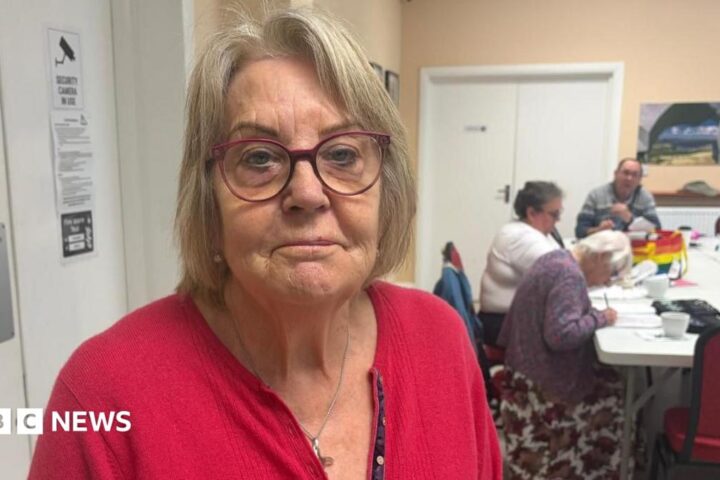
According to the BBC, the homeowner says work by Christian Williams left a roof leaking after he left the project. The outlet reports that around GBP30,000 of client funds were spent while Williams was in Lanzarote, and that investigators say he “benefitted to the tune of GBP160,000 from offending” but reportedly had GBP1 to return.
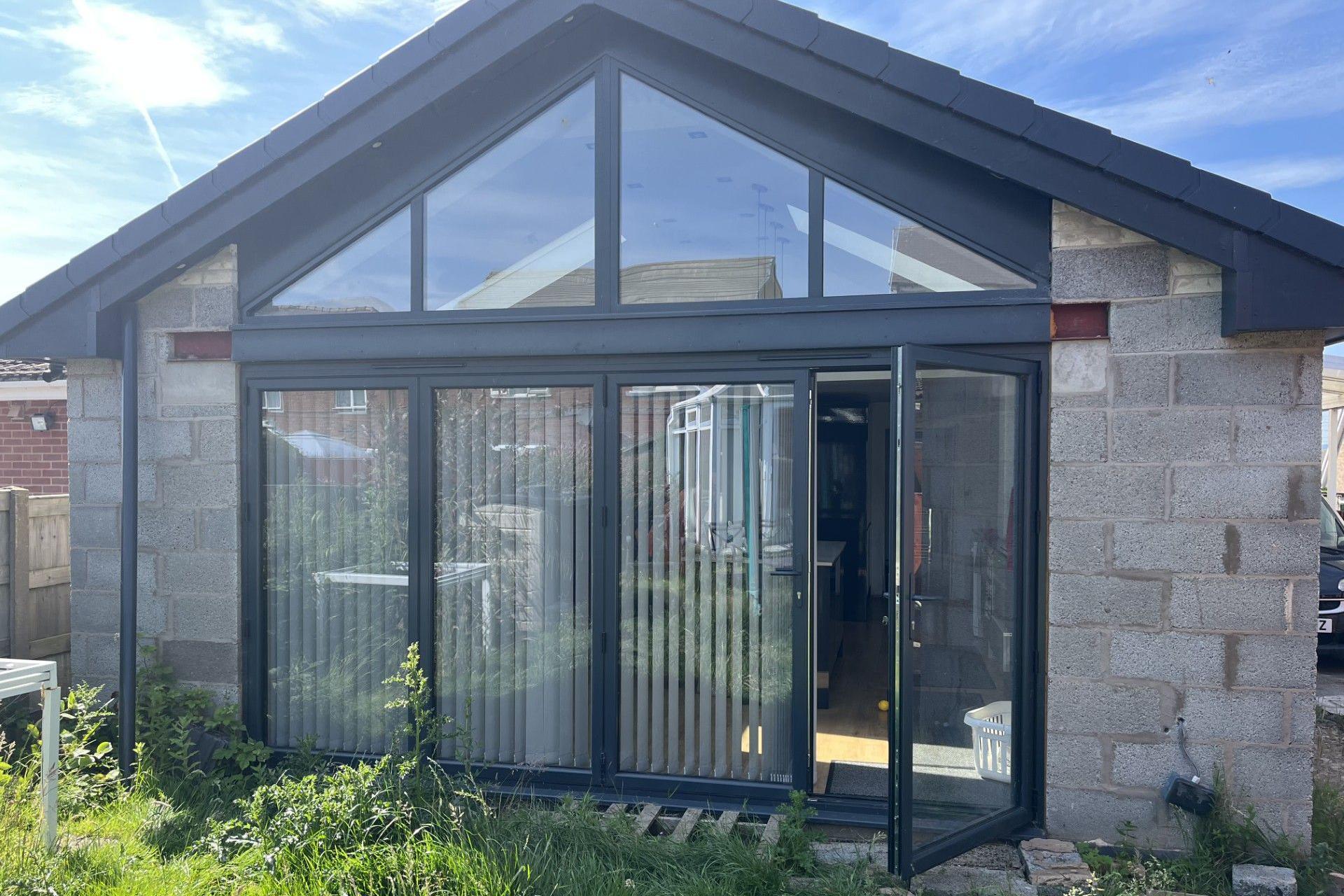
The BBC piece relays the homeowner’s description of unfinished and defective work. Those accounts form the basis of the public reporting; they are not the same as findings recorded in a court judgment unless and until a court issues one.
How victims were affected and warning signs
Homeowners described immediate practical harms: ongoing leaks, water damage and the need for further repairs. Leaks often cause secondary problems such as damp, rot and higher repair bills if not fixed promptly.
Early warning signs highlighted in the report and commonly seen in similar disputes include:
- Requests for large advance payments before significant work begins.
- Work left incomplete or finished to an evidently poor standard.
- Difficulty contacting the contractor after payment or repeated missed deadlines.
In the BBC account the homeowner reported advance payments and then encountered unfinished work and subsequent leaks — the sort of red flags consumers should watch for when hiring tradespeople.
Consumer recourse and repayment options
Options to try to recover money or obtain remedial work depend on the amount involved, the evidence available and whether the contractor has recoverable assets.
- Write to the builder asking for a formal repayment or repair plan and keep copies of all correspondence.
- If you paid by card, contact your card provider to ask about a chargeback or dispute process.
- Report the matter to local consumer protection (for example Trading Standards) and to Citizens Advice for guidance on next steps and mediation options.
- Consider the small claims court for clear, quantifiable losses; weigh likely costs and time against the amount sought. Seek initial legal advice if unsure.
The BBC report highlights a practical difficulty: it alleges the individual benefited by about GBP160,000 yet reportedly had only GBP1 available to repay. Where assets have been spent, moved abroad or are otherwise unavailable, civil recovery becomes harder even where wrongdoing is alleged.
Other practical pointers:
- Gather all contracts, receipts, photos of defects and any witnesses’ contact details.
- Check insurance policies (home insurance or contractor-provided) that might cover defect remediation.
- Ask consumer-advice organisations about crowdfunding or community support options where a legal route is uncertain.
How to spot and avoid similar problems in future
You can reduce risk with straightforward precautions before hiring:
- Use clear, written contracts setting out scope, milestones and payment schedule.
- Request references and, if possible, view recent completed jobs or speak to previous clients.
- Avoid large up-front deposits; tie payments to completed milestones and sign-off.
- Check trade body membership, insurance, and whether the business has a verifiable local address.
These steps do not remove all risk but make breaches easier to document and pursue.
Legal status, reporting and source details
The sums and conduct described in the BBC piece are presented as reported allegations. The article quotes that Christian Williams “benefitted to the tune of GBP160,000 from offending” and that he had GBP1 available to repay; those claims are part of the BBC News report and should be treated accordingly.
Readers should distinguish between allegations in news reports and court-determined findings. Any formal penalties, restitution orders or legal outcomes would be set out in court documents and official statements. For updates, check the original BBC report and any subsequent official releases.
Source: BBC News — the original report is available at Rogue builder left our roof leaking and spent £30K we gave him in Lanzarote.
Frequently asked questions
What can homeowners do if a builder leaves work unfinished?
Document defects, retain contracts and receipts, send a written request for remedial action, and contact consumer-advice services for mediation or court guidance.
Can victims recover money from a builder who spent funds abroad?
Recovery is often more difficult if funds have been spent or moved overseas. Civil claims, freezing orders and international cooperation can be options but depend on the case; legal advice is recommended.
How do I check a builder before paying large sums?
Ask for references, inspect recent work, verify trade-body memberships and insurance, and prefer staged payments tied to completed milestones rather than large up-front deposits.
For the facts and figures reported above, see the BBC News story linked above. The coverage is the source for the sums and allegations cited in this article.