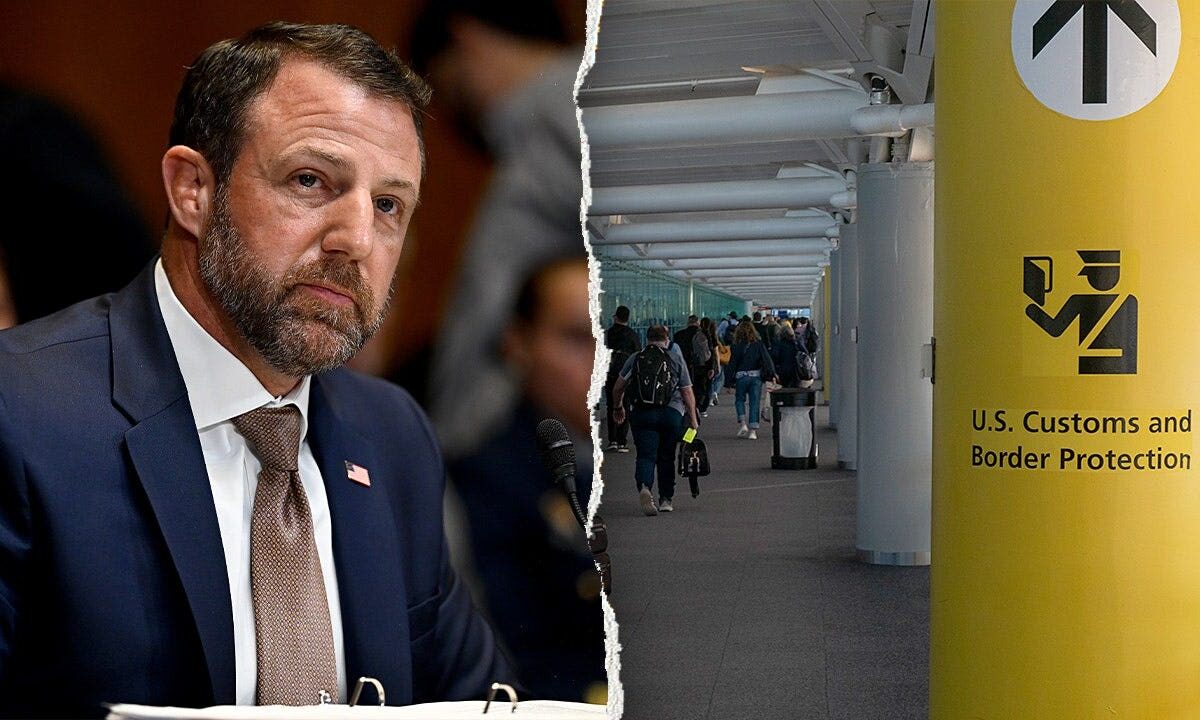
The Supreme Court’s decision cleared the way for the TPS ruling Haiti deportations and immediately focused attention on how the Department of Homeland Security will carry out removals.
On CNN, Homeland Security Secretary Markwayne Mullin clashed with Jake Tapper over the safety of returns, flight options and the assistance the administration plans to offer affected migrants.
TPS ruling Haiti deportations
The court reversed lower-court orders that had delayed the end of Temporary Protected Status for Haiti and Syria, saying the TPS statute limits judicial review of nonconstitutional claims.
The ruling means the government can proceed with terminating TPS designations that followed the 2010 Haiti earthquake and Syria’s civil war without the specific injunctions that blocked those moves.
What the Supreme Court decided
The Supreme Court concluded challengers were unlikely to succeed on an equal protection claim tied to TPS for Haiti and Syria, narrowing the avenue for courts to halt terminations.
Justice action removed a legal barrier that had kept the designations in place pending litigation, though other legal and administrative steps may remain for individuals and agencies.
Mullin on deportations and DHS plans
Homeland Security Secretary Markwayne Mullin told Tapper that TPS was never intended to be permanent and that beneficiaries had opportunities to pursue visas or lawful permanent resident status while in the United States.
Mullin said DHS has operational options where commercial travel is limited, including deportation flights, and that officials expect to run flights returning people to countries where TPS was eliminated.
He also said the administration would provide travel assistance and offered an approximate $2,100 payment for migrants who choose to return home, describing that as part of planned logistics.
Mullin framed the State Department’s travel advisory as primarily aimed at U.S. citizens and said kidnappers often target Americans, a point Tapper directly challenged during the interview.
Safety reports cited by Jake Tapper
Tapper cited U.N. and Human Rights Watch reporting to question whether Haiti is safe for returns, pointing to figures he said included more than 8,100 killings last year and over 1,200 cases of sexual violence.
Tapper also cited reporting that about 1.4 million people have been displaced in Haiti and noted the State Department’s Level 4 “Do Not Travel” advisory warning about crime, kidnapping and limited health care.
Those sources were raised as part of Tapper’s argument that the conditions on the ground present serious risks for people returned under the court’s decision.
What this means for affected migrants
People who had TPS for Haiti or Syria will no longer have that designation if the government completes its termination steps, and DHS officials have said they plan to move to remove some of those individuals.
Mullin did not commit that every former beneficiary will be removed immediately, and his remarks indicate implementation will rely on agency decisions about flights, individual cases and other enforcement priorities.
Some beneficiaries may have other immigration options, including visa pathways or applications for lawful permanent residence, but those routes are fact- and case-specific and may not be available to everyone.
Legal advocates and some members of Congress have argued for protections or legislative fixes to avoid forced returns to dangerous conditions, and further legal challenges remain possible depending on the facts and claims pursued.
Reporting and source attribution
This article summarizes the CNN interview between Jake Tapper and DHS Secretary Markwayne Mullin and the Supreme Court ruling reported by multiple outlets.
Primary sources referenced in the original coverage include the Supreme Court decision, statements by the Department of Homeland Security, U.N. and Human Rights Watch reports cited by Tapper, and the State Department travel advisory.
For the original coverage of the exchange and the court ruling, see the Fox News report: https://www.foxnews.com/media/dhs-chief-mullin-clashes-tapper-haiti-deportations-supreme-court-tps-ruling
Frequently asked questions
Will the administration deport all former TPS beneficiaries?
Mullin said DHS has options to remove individuals but did not pledge to deport every former TPS beneficiary immediately.
Decisions about removals are typically handled case by case and can be affected by individual immigration histories, pending applications, and enforcement priorities.
When could removals to Haiti begin?
The administration indicated it has operational plans, including deportation flights, but did not provide a public timeline for when removals would begin.
Any scheduled deportations would follow agency procedures and could be affected by logistics, availability of flights and diplomatic arrangements.
Is it safe to return given U.N. and Human Rights Watch reports?
Tapper cited U.N. and Human Rights Watch data documenting killings, sexual violence and displacement in Haiti as reasons to question safety.
Mullin disputed some of the travel-advisory implications, saying the State Department warning targets U.S. citizens, and his statements reflect contrasting assessments about the risks of return.
Readers should consult the cited U.N., Human Rights Watch and State Department materials for detailed condition reports and advisories.
Source: Fox News coverage of the Mullin-Tapper interview and reporting on the Supreme Court TPS decision at https://www.foxnews.com/media/dhs-chief-mullin-clashes-tapper-haiti-deportations-supreme-court-tps-ruling