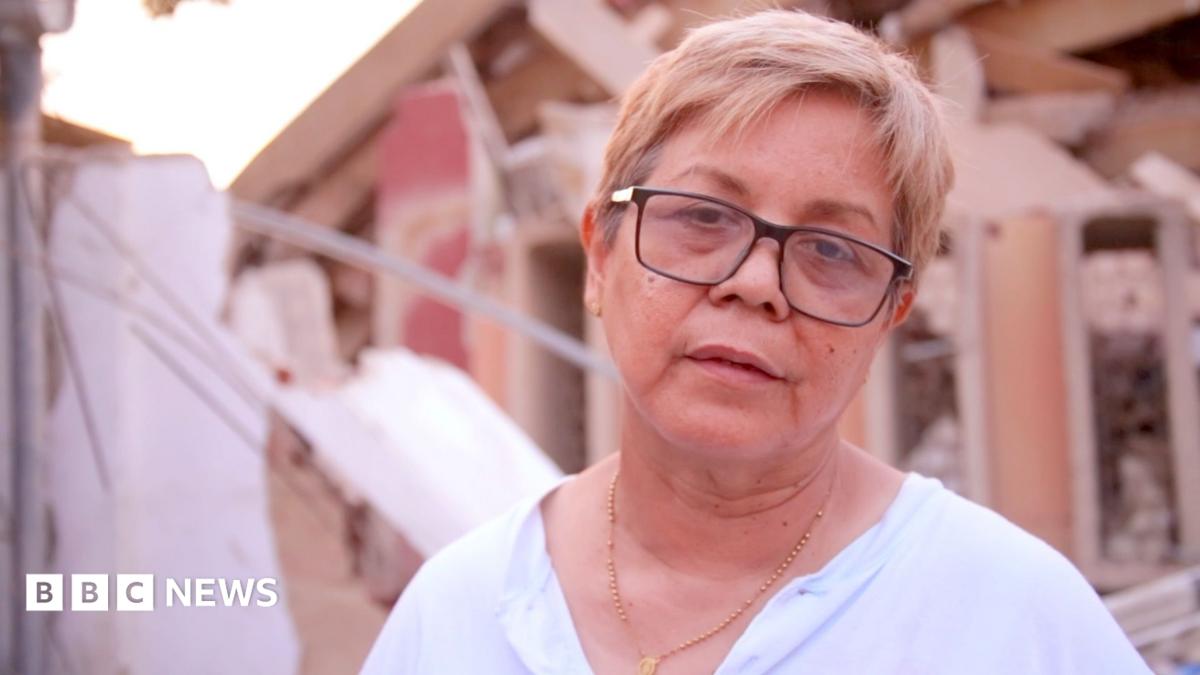
Venezuela rescuers are working in tense silence, pressing ears and instruments to cracked concrete while relatives wait nearby for any sign of loved ones. BBC News reported on 2026-06-29 that teams are listening for signs of life beneath the rubble after a disaster that has left tens of thousands believed missing.
The scene, BBC journalists described, is a patchwork of frantic labour and sudden hush: workers ripping away slabs of concrete with heavy tools, then switching to delicate chisels and microphones when even the faintest sound is suspected. At times a leader will call, “No one move!”—a sharp command repeated by rescuers as they try to isolate a noise and trace it back to a trapped person, BBC reported.
Venezuela rescuers on the ground
At dawn, teams fanned out across collapsed neighbourhoods. BBC correspondents who visited the worst-hit sites described rescue crews forming human chains to pass rubble and clear narrow routes. Volunteers and trained responders worked together to shore up unstable walls and create temporary anchors so rescuers could probe deeper into voids without causing further collapses.
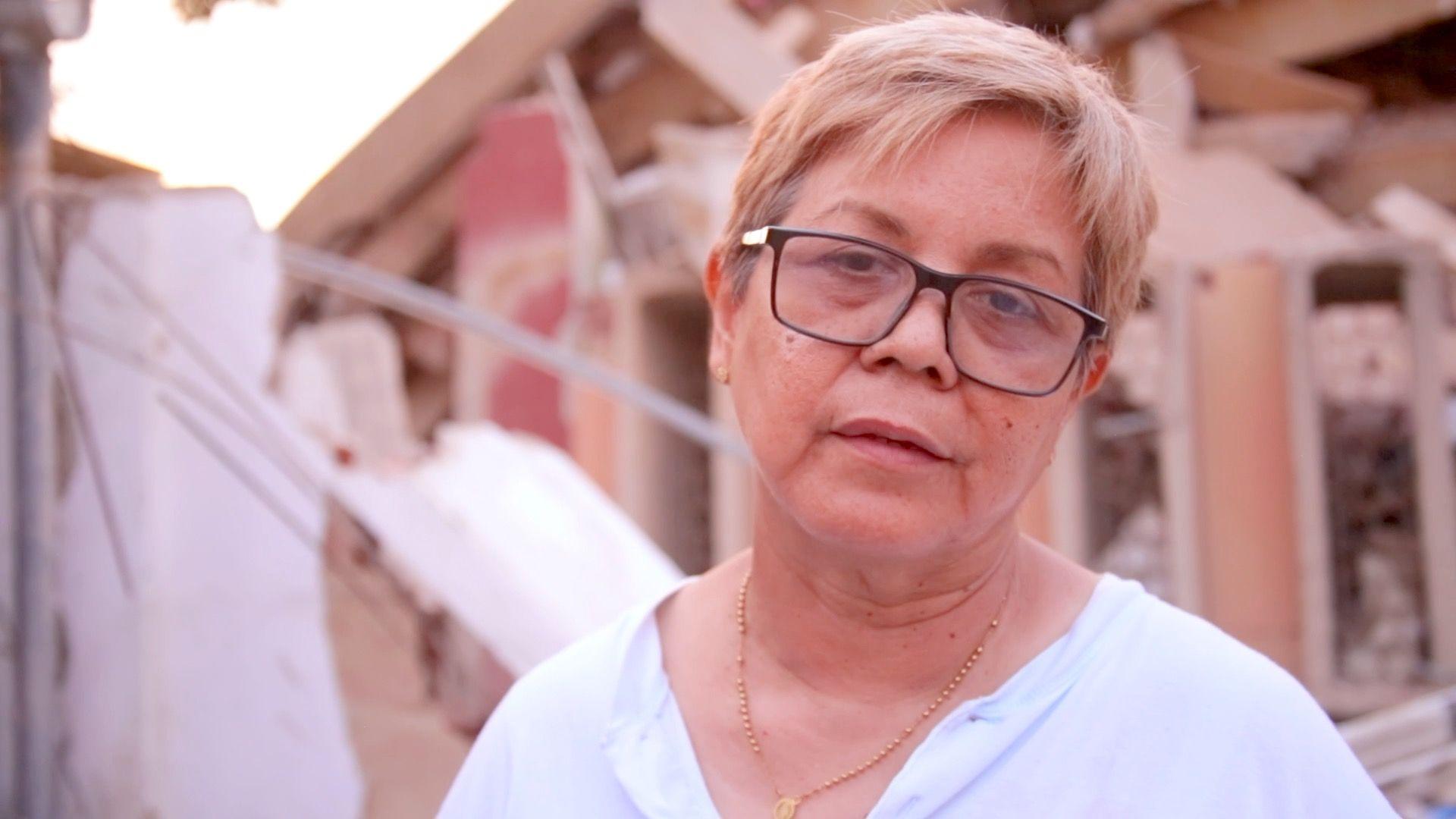
Near one wrecked apartment block, BBC reported, rescuers took turns listening against concrete with stethoscopes and sensitive microphones while others swept small cameras into gaps. The work was methodical and exhausting; shifts were staggered so teams could maintain the search continuously. (Pictured nearby in reporting: rescuers search collapsed buildings in Venezuela, showing men and women bending over debris.)
Scale of the loss and missing
BBC reporting emphasised the scale of the catastrophe: tens of thousands are still believed missing. That figure, cited by BBC on 2026-06-29, reflects the extent of destroyed housing and widespread displacement. It is a stark contrast to the pockets of survivors being pulled from the wreckage and highlights how many families remain without news.
Survivors have been found in isolated pockets—some sheltering under remnants of roofs, others wandering dazed through ruined streets. BBC described scenes where rescuers worked to extract people who were conscious but injured, handing them directly to medics stationed on the edges of collapsed zones. Yet the number of those found so far is small compared with the many still unaccounted for, the BBC report noted.
How search teams listen and search the rubble
BBC detailed the shifting tactics used by search-and-rescue teams as conditions demand. Heavy machinery clears large debris where it is safe, but much of the most promising ground is too unstable. In those places, rescuers swap noisy tools for quieter, precise devices: small chisels, listening gear and fiber-optic cameras lowered into voids.
Teams create deliberate moments of silence. BBC reporters observed that rescuers will stop all mechanical work and ask bystanders to hold any noise while they press a microphone or stethoscope to concrete. That quiet—sometimes lasting several measured minutes—can reveal the smallest cough or knock. BBC noted instances where a single faint sound prompted a careful, coordinated response to pinpoint a trapped person.
Throughout these operations, lead searchers issue short, urgent commands—”No one move!”—to prevent vibrations or sudden collapses that could endanger both trapped people and rescuers, BBC reported. The balance between speed and safety is constant and fraught: moving too fast risks collapse; moving too slow may reduce a survivor’s chance of being rescued alive.
Families, shelters and immediate needs
Displaced people have gathered in makeshift shelters and open spaces. BBC reporting described relatives waiting at cordons and temporary camps, clutching photos or lists of names and calling out to rescuers as each person is led away. In some temporary reception areas, volunteers helped match the newly rescued to anxious family members while medics began triage.
Humanitarian teams, BBC noted, are prioritising basic needs: water, shelter, medical care and help tracing missing relatives. The demand for tents, blankets and first-aid supplies is acute, especially as aftershocks and weather risk further displacement and complicate efforts to keep people safe while searches continue.
A BBC correspondent described one temporary shelter where relatives sat in the dust, pressing pieces of paper with names to their chests and waiting for news. That human detail—faces, lists and small rituals of hope—recurs across the areas covered by the BBC report.
What comes next
BBC reported that search operations are expected to continue for days as crews expand cleared zones and push into unstable areas. Priorities include increasing safe access to sites where sounds were reported and stabilising structures so heavier equipment can be used without endangering trapped people.
Coordination with international partners and authorities was cited by BBC as a likely next step to bring in more specialised equipment and additional trained search-and-rescue specialists. The shift from search to recovery in any given area will depend on whether rescuers detect more signs of life in the coming days, the BBC piece stated.
FAQ
What happened with Venezuela rescuers?
Teams of local volunteers and search-and-rescue crews are carefully digging through collapsed buildings and using listening devices to find survivors. BBC News reported on 2026-06-29 that tens of thousands were still believed missing.
Why does Venezuela rescuers matter?
Their work is central to saving lives in a large-scale disaster: quick, careful searches can find survivors who would otherwise die from injuries or exposure, and they provide crucial information for families and planners. BBC reporting highlights this human and logistical urgency.
What happens next?
Rescue work will continue with the goal of reaching any remaining survivors; teams will stabilise structures, bring in more specialist gear where possible, and coordinate wider logistics. If no survivors are located in given areas, operations may transition to recovery. These steps were outlined in the BBC report.
Source attribution: BBC News. Full report: ‘No one move!’: The agonising silence as Venezuela rescuers listen for survivors (BBC News, 2026-06-29)