Andy Burnham has long been linked to prime ministerial ambitions, and recent BBC analysis suggests he is amplifying his public profile at a moment when the time available to build a full policy offer may be limited. This piece names Burnham up front, summarises the BBC column’s framing and assesses readiness, party reaction and the near-term timeline.
This analysis draws only on reported coverage and attribution; where evaluative language appears it is attributed to the BBC’s political editor, Chris Mason. The goal is to clarify what is known, what the column interprets, and what to watch next.
Where Andy Burnham stands now
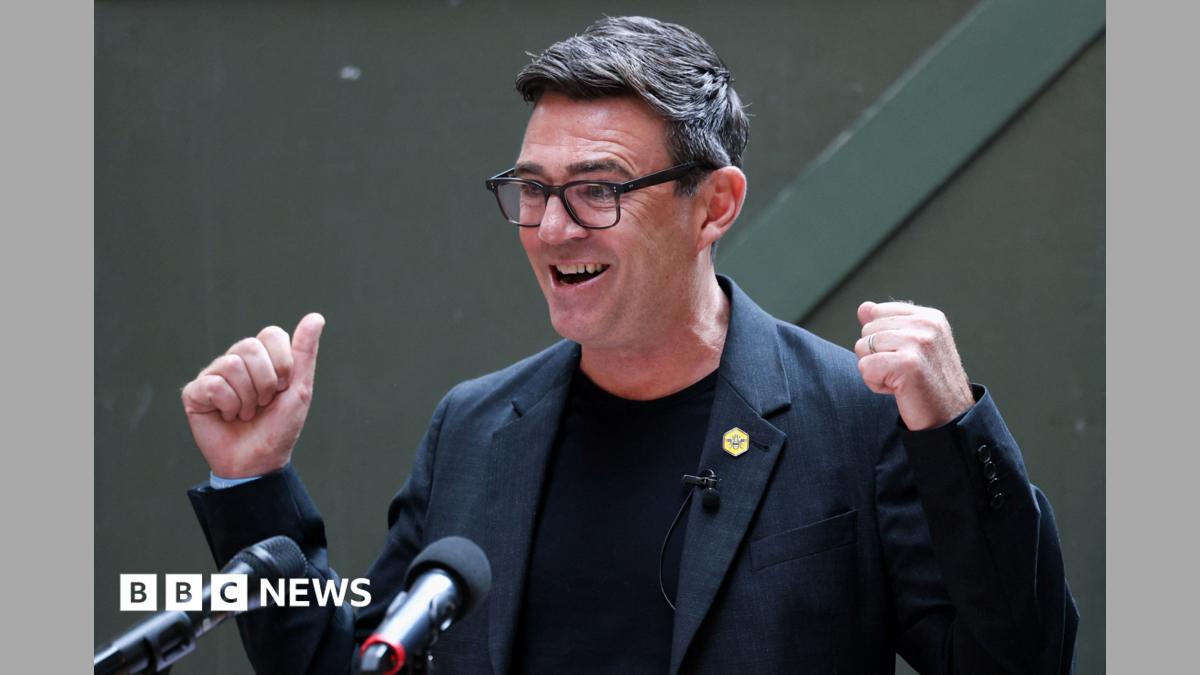
Andy Burnham has increased his public visibility in ways described by Chris Mason as “reveling on the public stage.” The BBC column frames this as a deliberate push into the spotlight rather than a slow, behind-the-scenes preparation.
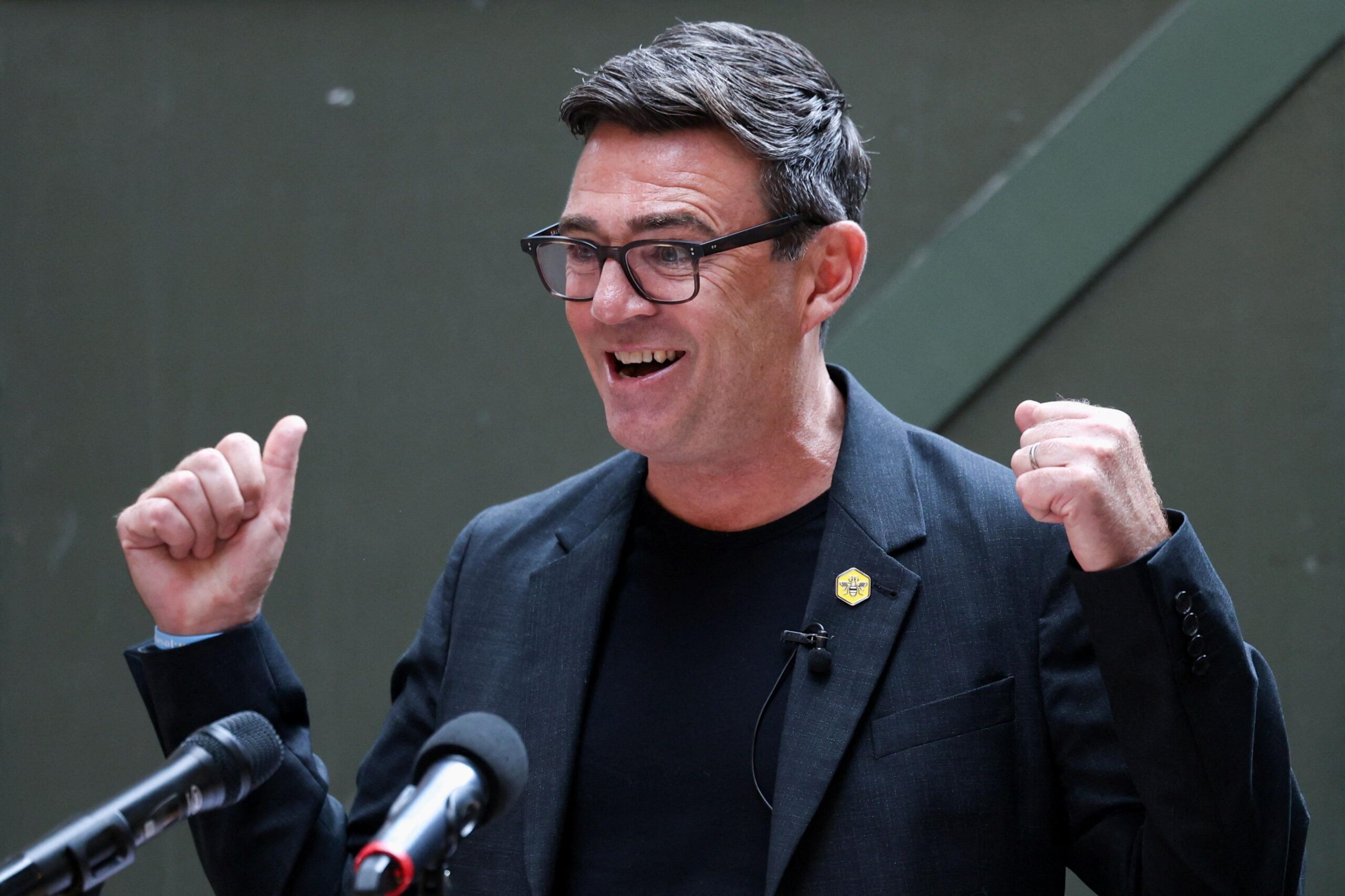
The column notes that Burnham “has held prime ministerial ambitions for years” and now “makes his dash for the door,” language that stresses both the longevity of his aspirations and the suddenness of recent activity. Those phrases are Mason’s interpretation and should be read as analysis, not an exhaustive account of Burnham’s private preparations.
Public prominence helps build name recognition rapidly, but leadership bids typically require detailed policy plans, campaign teams and mechanisms to answer tough questions from media and colleagues. The BBC piece suggests visibility has so far outpaced those supporting elements.
Can he turn ambition into policy
The central test for any serious bid is whether a candidate can translate profile into a robust policy platform. The BBC use of the phrase “little time to hammer ideas into shape” highlights concern that there may not be sufficient runway to develop, test and publicise detailed proposals.
Key policy areas to watch include fiscal stance, health and social care plans, education policy, and positions on devolution and regional investment. Observers will also look for a team with credible subject-matter leads, a coherent narrative on priorities and defensible costings. The BBC column does not catalogue Burnham’s draft policies; it flags an apparent gap between public profile and fully formed programme.
Rapidly organised campaigns can sometimes compensate with tightly focused pledges and a persuasive narrative, but those approaches still require rapid policy drafting, scrutiny by advisers and evidence that trade-offs have been considered. The BBC analysis warns that a compressed timetable increases the risk that proposals will be undercooked when exposed to detailed scrutiny.
How party and public may react
Within Labour, reactions are likely to split between those who see renewed competition as energising and those who worry about turbulence. Party figures routinely balance short-term media momentum against longer-term questions of electability and unity; a candidate perceived to be insufficiently prepared can cause strain.
Chris Mason’s framing of Burnham’s actions as a public-facing effort matters because internal decision-makers weigh visible support against credibility in parliamentary and organisational contexts. Mason’s column is an interpretation of observed behaviour and commentary rather than a primary source from party insiders.
For voters, public-stage moments can attract attention and sympathy. But converting visibility into durable support usually requires credible answers to everyday policy questions and a believable plan for implementation. The BBC piece points to that gap between spectacle and substance as a potential obstacle.
Timeline and next steps
The BBC column uses the phrase that Burnham “makes his dash for the door,” indicating an active push rather than a tentative exploration. The piece was published on 2026-06-29T23:46:54.000Z, which provides a fixed point for the timeline referenced in this analysis.
Near-term steps that the BBC and political commentators highlight as decisive will include further high-profile public appearances, any formal signalling of intent, the release of policy papers or briefings, and responses from Labour frontbenchers and key party organs. Those are the observable moves that can be tracked in days and weeks following the published column.
Practical markers to watch for in the coming fortnight and month are: the publication of any detailed policy proposals or briefing notes attributed to Burnham; scheduled national or regional events where he appears prominently; and statements from senior Labour figures either endorsing or raising concerns. The speed and substance of those follow-ups will shape whether momentum is sustained or dissipates under scrutiny.
What comes next
If Andy Burnham can pair increased visibility with clearly articulated, costed and tested policy positions, the BBC analysis suggests he may neutralise concerns about being rushed. If detailed policies and a capable supporting team do not appear quickly, critics will point to the compressed timetable and the absence of a cohesive platform.
Either outcome hinges on near-term, observable actions: policy papers, substantive briefings, and the responses of party gatekeepers. Readers should treat the BBC column as a source of interpretation and prioritise primary announcements from Burnham’s own team or official Labour statements for definitive information.
Source and context
This article draws on a BBC column by political editor Chris Mason that describes Burnham as someone who “revels on the public stage” but may have “little time to hammer ideas into shape.” Those phrases are quoted from the column and presented as the columnist’s analysis rather than established fact about internal readiness.
Read the original BBC piece here: Burnham revels on public stage but has little time to hammer ideas into shape. Published at: 2026-06-29T23:46:54.000Z.
Source: BBC News – Top Stories. For further coverage of UK politics, consult primary statements from party spokespeople and official campaign materials rather than relying solely on interpretive columns.