Bozeman rents have climbed sharply as a wave of wealthy visitors — many arriving by private jet — increases demand for short-term stays and second homes, the BBC reports. Locals and housing advocates say the shift is squeezing lower-cost housing options and putting mobile-home residents at risk.
This analysis summarizes the BBC reporting, explains the local mechanisms that can push up rental prices, flags data gaps, and outlines likely policy responses. The main focus: how the visible arrival of high-net-worth visitors relates to broader housing affordability pressures in Bozeman.
Bozeman rents: quick overview
The BBC reported that rents in Bozeman “have skyrocketed” as wealthy out-of-towners and second-home buyers flock to the area. The article also uses the phrasing that some locals “can’t afford the trailer park.” Those are direct characterizations in the BBC story and should be treated as reported allegations pending independent local verification.
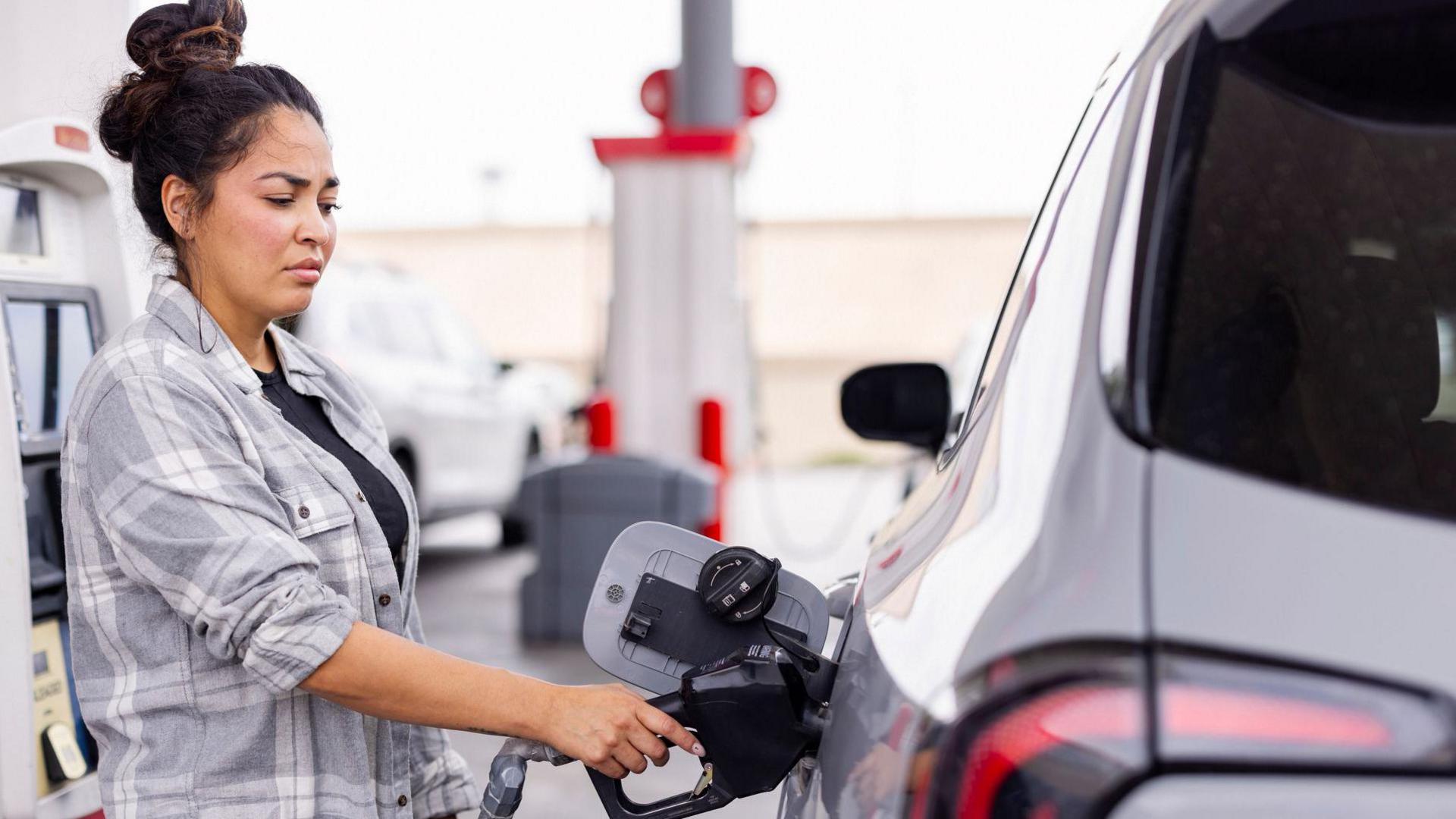
“Rents in Bozeman have skyrocketed,” and residents have said some “can’t afford the trailer park,” — BBC News – Business.
How private jets and wealthy visitors affect local markets
Private jets are a visible indicator of rising high-end visitation, but they are not a mechanistic cause of rent increases on their own. Instead, they signal that a flow of affluent visitors and buyers has arrived, boosting demand for short-term luxury rentals, concierge services and high-end second homes.
Owners of rental properties in tight markets often respond to higher short-term yields by converting long-term rentals into vacation or luxury units. That reduces the supply of housing available to year-round residents and pushes up market rates. In small cities with constrained land supply, even modest shifts in demand can produce outsized rent pressure because supply cannot expand quickly to match.
Local wage growth typically lags rent increases in these scenarios, amplifying affordability gaps for service workers and long-term residents who do not share in the new, higher incomes associated with luxury tourism or remote-wealth buyers.
Impact on trailer parks and local residents
The BBC headline — that some locals “can’t afford the trailer park” — is presented in its reporting as a claim from residents and local coverage. It is an allegation that highlights risk of displacement in an important form of below-market housing: mobile-home communities.
When surrounding land values rise, owners of mobile-home parks face stronger incentives to sell, redevelop or raise lot rents. Any of these outcomes can reduce affordability for residents who own their homes but rent their lots. Even when parks remain, increasing local costs (utilities, property taxes, insurance) and higher lot rents can squeeze household budgets.
Any specific eviction, lot-rent increase or park sale should be verified with local records; the BBC report raises the concern rather than documenting a complete, audited set of displacement events.
By the numbers — data box
Local responses and what comes next
Local governments typically respond with a mix of short- and long-term measures: emergency rental assistance, negotiated protections with park owners, limits or registration requirements for short-term rentals, zoning changes to boost housing supply, and incentives for workforce or deed-restricted housing.
Short-term actions can blunt immediate displacement risk — for example, one-off rental support, temporary caps on lot-rent increases through voluntary agreements, or outreach to park owners. Longer-term fixes require construction or preservation of affordable units, and policy choices (density allowances, inclusionary zoning, tax incentives) that take time to implement.
As of the BBC story, there was not a quoted city-council policy response included in that piece. Local council statements or housing-office briefings would be the next authoritative source for what steps municipal leaders are considering or enforcing.
Local voices and attribution
The BBC story collects resident concerns and frames the trailer-park claim as part of that reporting. Readers should treat the trailer-park affordability line as an allegation reported by the BBC and seek verification via county records, local housing nonprofits or municipal housing offices for documented changes to lot rents, evictions or park sales.
Housing advocates and community groups commonly call for rapid tenant outreach and preservation tools when mobile-home parks are threatened; absent a specific quoted policy response in the BBC piece, those groups are likely to press local officials for data and action.
What readers can check next
If you want exact, verifiable figures on rents or displacement in Bozeman, consult:
- Gallatin County Assessor or Treasurer’s office for sales and assessed-value trends.
- Gallatin County Clerk of Court or local legal-aid groups for eviction and filing records.
- U.S. Census ACS 5-year estimates and regional rent indexes (Zillow, private market reports) for comparative percent changes.
Those sources will provide the numeric evidence to confirm or nuance the pattern BBC outlines: visible luxury demand entering a constrained market, and reported local strain on lower-cost housing.
FAQs
Why are Bozeman rents rising so fast?
The BBC connects rising rents to increased demand from wealthy visitors and second-home buyers. In a limited-supply market, higher short-term and luxury demand can raise prices for long-term rentals.
Do private jets directly cause higher rents in Bozeman?
Private jets are a marker, not a direct mechanical cause. They signal increased high-income visitation that can shift market demand toward higher-priced accommodations and reduce supply for year-round renters.
What help exists for trailer park residents and low-income renters?
Typical options include emergency rental assistance, negotiated protections with park owners, preservation programs for mobile-home parks, and policymaking aimed at increasing affordable housing supply. Local agencies and nonprofits are the usual coordinators of these efforts.
Source: BBC News – Business. Full article: https://www.bbc.co.uk/news/articles/ckg92d8d40yo?at_medium=RSS&at_campaign=rss