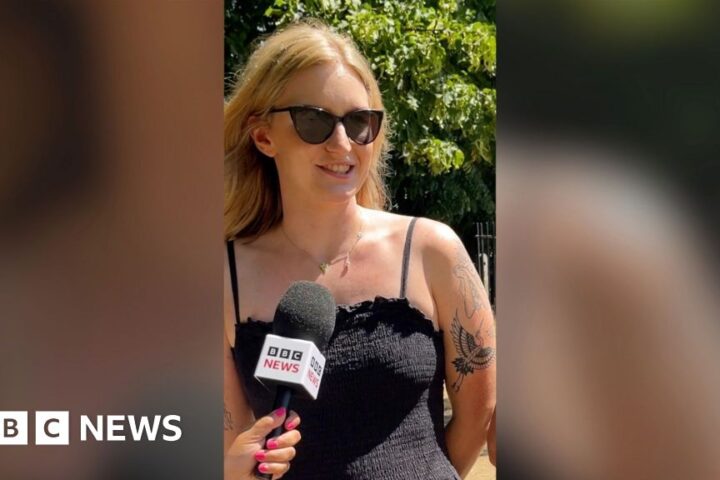
FoodCycle features in a BBC News first-person account in which a volunteer says volunteering “saved me from loneliness.” The report describes how FoodCycle turns surplus food into communal three-course meals and frames the volunteer’s experience as a personal example of the social benefits volunteering can bring.
This article summarises the BBC piece, explains how FoodCycle’s model works in practice, and outlines how readers can find out about local sessions if they are interested in volunteering themselves.
Quick summary
FoodCycle takes surplus food and turns it into three-course meals served to people in the community. A BBC News first-person article profiles a volunteer who said taking part in FoodCycle sessions helped ease their loneliness. The account highlights both the charity’s food-waste reduction model and the potential for volunteering to provide routine and social contact.
What FoodCycle does
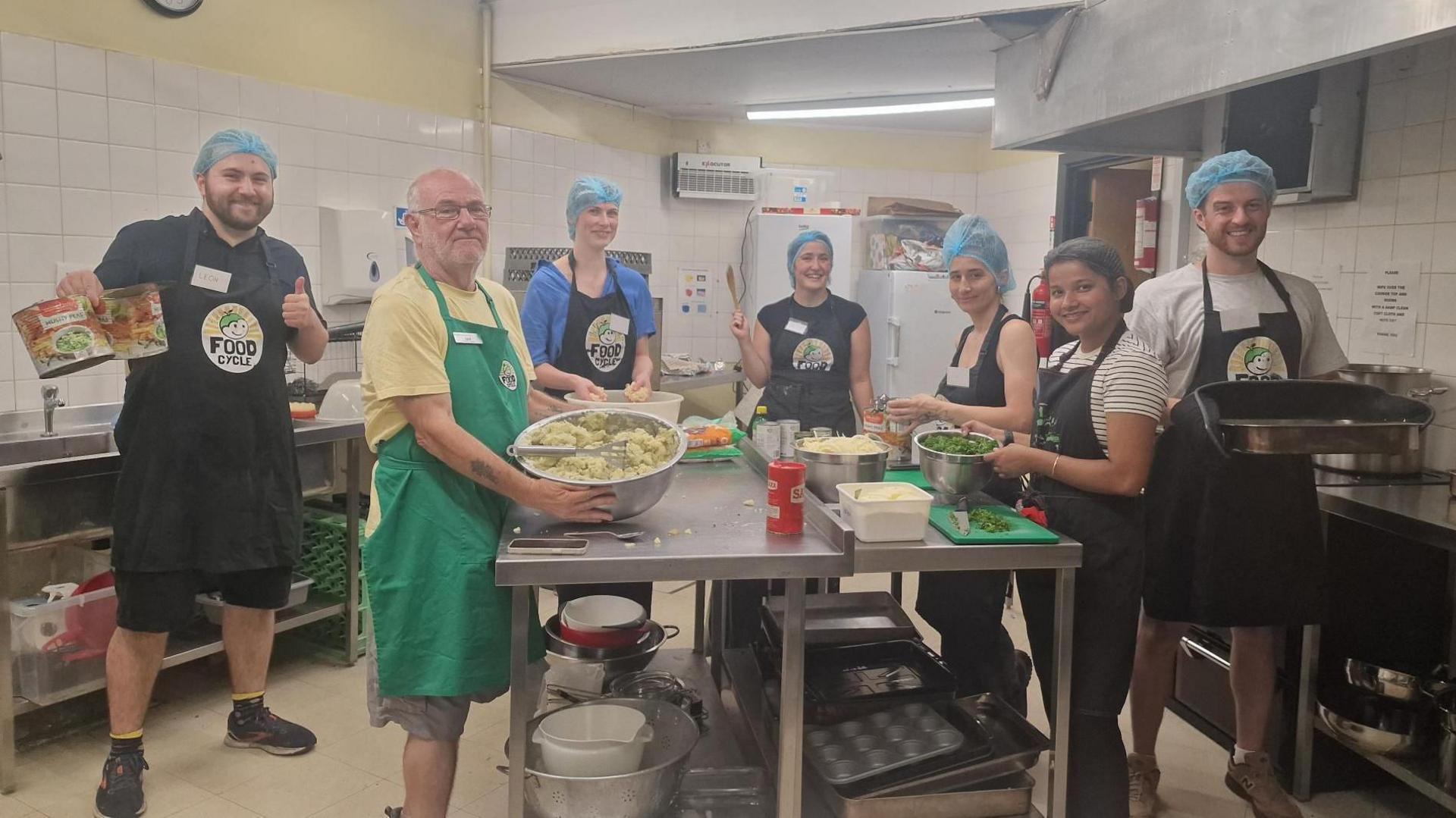
FoodCycle runs community meal sessions that use surplus food from shops, cafes and suppliers to prepare hot, sit-down meals. Volunteers and organisers plan menus based on available donations and put together balanced three-course meals for guests.
The charity’s approach aims to reduce food waste while creating welcoming, communal dining experiences. Meals are typically served at local venues where volunteers handle planning, cooking and hosting, and guests are invited to eat together rather than receive take-away parcels.
Because menus depend on donated items, volunteers often adapt recipes and work with what is available to create nourishing, full meals. That flexibility is central to the model: turning surplus into a shared sit-down meal rather than simply redistributing raw ingredients.
A volunteer’s account
The BBC piece profiles a volunteer who described their experience in personal terms, saying it “saved me from loneliness.” Presented as a first-person testimony, that quote reflects the individual’s sense that taking part in sessions gave them connection and purpose.
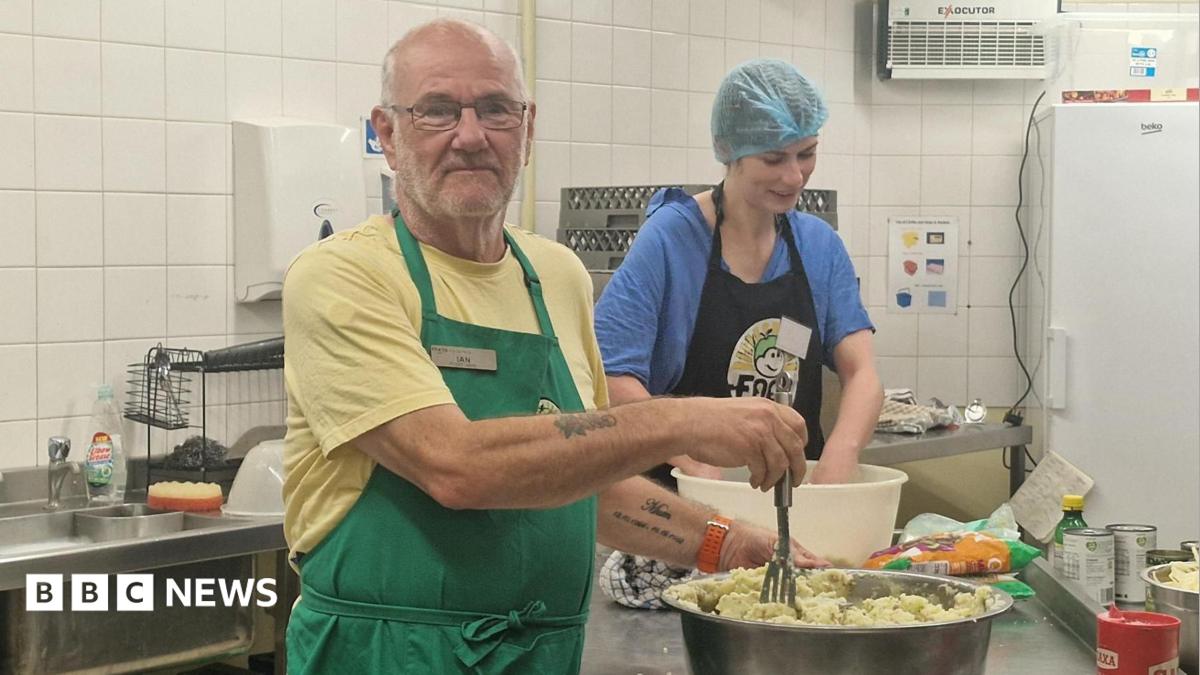
The report describes day-to-day volunteering tasks such as preparing food, greeting guests and sharing service duties. For this volunteer, regular contact with others at sessions and the chance to contribute to a visible outcome — a three-course meal served to people in the community — were important to how they felt.
As the BBC frames it, this is a lived experience rather than a scientific claim. The phrase appears in quotation marks to make clear it is the volunteer’s own reflection on how the activity affected their sense of isolation.
Community impact and benefits
FoodCycle’s model combines tackling food waste with creating social spaces. Serving a three-course meal gives guests and volunteers a reason to meet, sit together and converse in a structured setting, which can help build new relationships and reduce isolation for some participants.
For volunteers, the practical work can provide routine, skills practice and regular contact with others. For guests, the benefit is both nutritional and social: a hot meal served in a communal environment. The BBC account uses one volunteer’s story to illustrate how these effects can play out for an individual.
It is important to note that individual experiences vary. While the BBC profile highlights one person’s positive outcome, it does not claim every volunteer will have the same result. Still, community meal programmes are widely seen as offering opportunities for social connection alongside practical support.
How to get involved
If you are interested in volunteering with FoodCycle, the practical first step is to contact the charity through its official channels to find local session times and sign-up procedures. Many community meal programmes welcome volunteers with different levels of experience and availability.
Typical volunteer roles include kitchen work, food preparation, menu planning, serving and hosting. New volunteers are often shown the ropes on-site by experienced team members or a volunteer coordinator; local sessions vary in size and format.
Joining a regular rota can help build familiarity and social connections over time. Even committing a few hours a week can provide routine and repeated contact with other volunteers and guests — the kinds of interactions the BBC interviewee described as personally meaningful.
If you decide to get involved, ask the local organiser about session times, accessibility and any training or checks required. That will give a clear sense of what to expect and how you can contribute.
Source and attribution
This summary is based on a BBC News first-person article published on 17 July 2026. The original report is available for verification:
Volunteering with food charity saved me from loneliness — BBC News
The BBC article presents the volunteer’s remarks as a personal testimony; it does not present those remarks as definitive evidence that volunteering will have the same effect for everyone.
Frequently asked questions
How do I volunteer with FoodCycle?
Contact FoodCycle through its official website or local listings to find session times and volunteer roles. Local organisers can explain what volunteers do and how to sign up.
Does FoodCycle use surplus food for meals?
Yes. FoodCycle repurposes surplus food from shops, cafes and suppliers to prepare three-course community meals, aiming to reduce food waste while feeding people in need.
Can volunteering help reduce loneliness?
The BBC account reports one volunteer who said volunteering “saved me from loneliness.” Individual experiences differ, but community volunteering can offer social contact, routine and a shared purpose that some people find helpful.
If you are considering volunteering, contacting FoodCycle or a local community meal programme is a practical next step to learn about opportunities and expectations near you.