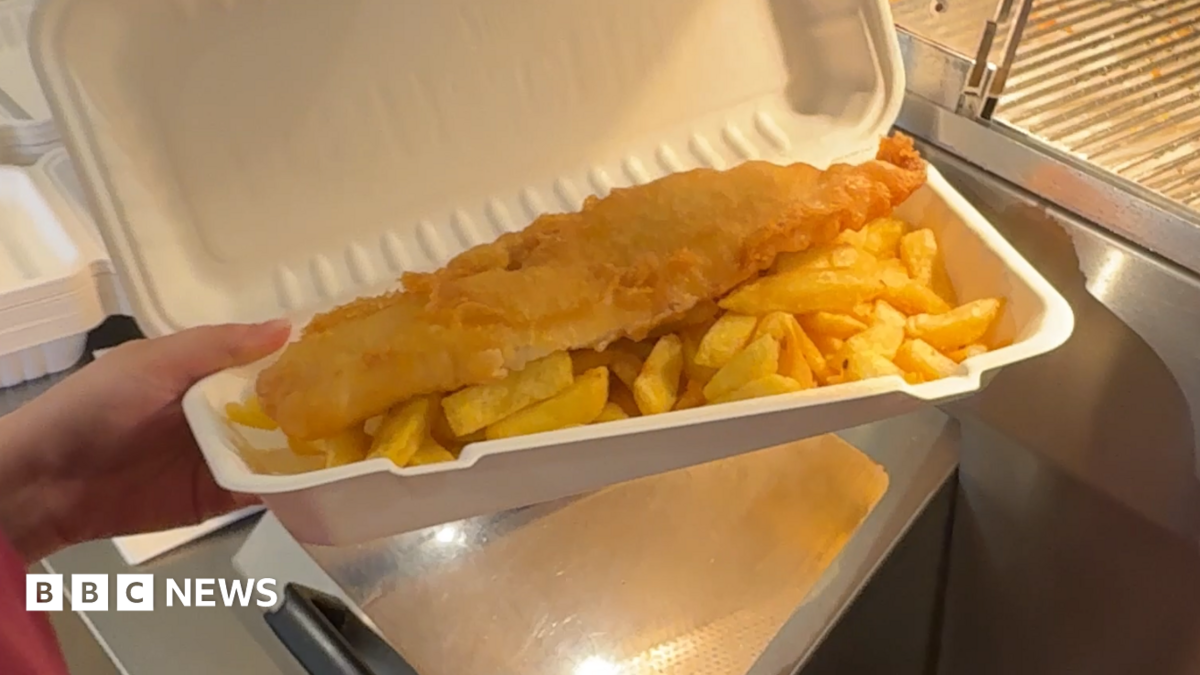
Local takeaway prices are rising, and one Dorset business points to VAT, the war in Ukraine and higher energy bills as the main reasons the price of fish and chips has gone up. The shop cites a mix of tax, supplier cost increases and energy outlays that together have narrowed margins and led to menu price increases.
This article summarises the shop’s claims, explains how those factors can affect running costs, assesses how representative the report is nationally and looks at what customers and other fish shops might expect next.
Quick summary — price of fish and chips
The price of fish and chips has risen, the Dorset shop says, because higher VAT liabilities, energy prices and supply disruptions tied to the war in Ukraine have increased ingredient and operating costs. The business listed VAT, energy bills and war-related supply pressures as the three main cost drivers behind recent menu price changes.
How a Dorset shop explains the rise
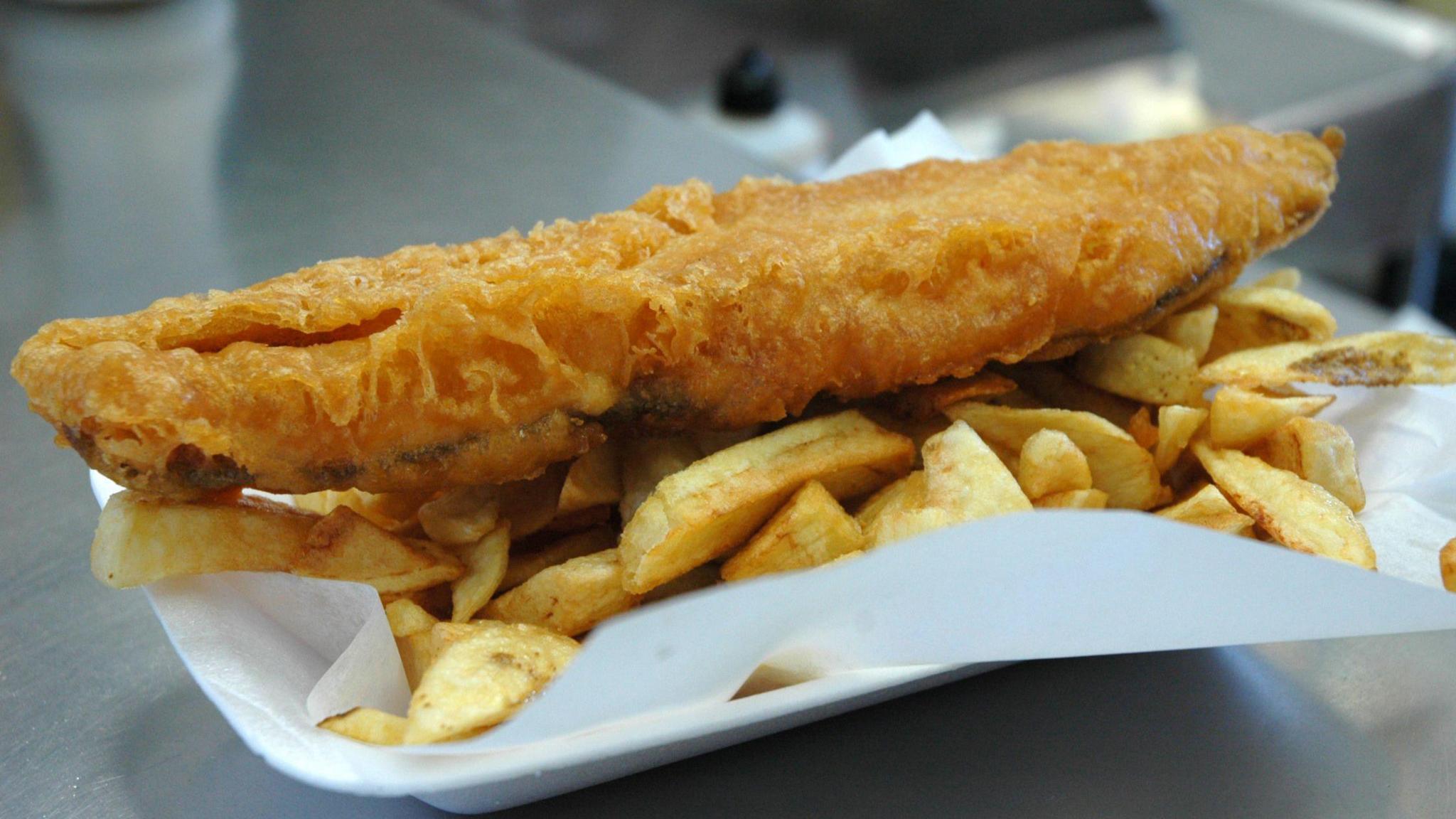
Staff at one Dorset fish and chip shop told reporters that several distinct cost increases arrived at the same time. According to the shop’s account, supplier invoices for frozen fish and cooking oil have climbed, electricity and gas bills for frying and heating are steeper, and VAT changes increased the tax the business faces.
The owners described how these rises add up in day-to-day trading: raw ingredients and essentials such as batter, fish and frying oil are larger items of expenditure for a small takeaway; energy bills are a recurring high-cost item for frying and refrigeration; and any increase in VAT can either be absorbed by the business or passed on to customers.
Price of fish and chips: how these factors affect running costs
VAT affects the final price in a straightforward way: if the tax applied to items increases or reliefs are reduced, a business either pays more tax on sales or needs to raise menu prices to keep margins. For a small takeaway with thin margins, even modest tax changes can be material.
Energy prices hit running costs directly. Frying fish and cooking chips requires significant gas or electricity; higher wholesale energy translates into larger monthly bills for cooking, heating and refrigeration. In practice, shops tell suppliers and accountants they notice this most clearly on utility statements that arrive each month.
The war in Ukraine has disrupted global commodity flows and shipping in ways that can affect specific inputs. That disruption can change the price and availability of imported goods such as certain fish species, frozen products or cooking oils, and it can increase volatility in supplier pricing. Where a shop relies on a narrow range of suppliers, sudden shifts can quickly feed through into higher invoices.
Combined, these pressures raise both fixed and variable costs: supplier prices move up, utilities bill more, and businesses face greater unpredictability when forecasting expenses. For small businesses without extensive hedging or bulk-buying power, the result can be tighter margins and more frequent menu price adjustments.
Is this view representative nationally?
It’s important to note these claims come from one shop in Dorset and have not been independently verified. National patterns may differ by region, supplier contracts and business scale.
BBC News reported the local business’s statements, but the coverage describes the experience of a single fish shop. Other businesses may see different cost mixes: some will have longer-term supplier contracts, alternative sourcing arrangements, or energy hedges that reduce short-term exposure to price spikes.
There is a real risk of overgeneralising from a single case. The Dorset example highlights plausible local cost pressures, but it does not prove that every fish shop in the country faces the same combination or magnitude of increases.
What this means for customers and shops
For customers, rising costs often show up in higher prices, smaller portions or pared-back menus. Shops under sustained pressure may remove lower-margin extras, limit specials, or increase prices selectively on items where the cost rises are largest.
For shop owners, measures to cope include renegotiating with suppliers, switching to different product grades where acceptable, improving energy efficiency, adjusting opening hours, or changing staffing patterns. Some will absorb short-term increases to retain customers; others will pass costs on to survive.
Local fish shops that can spread fixed costs over higher sales volumes, or that diversify into other takeaways and food items, may be better able to manage temporary spikes in input prices. Consumers may see different responses depending on the shop’s size and local competition.
What comes next
The near-term outlook depends on energy markets, policy decisions on VAT and the stability of supply chains. If wholesale energy prices fall or governments adjust tax rules, some pressure on prices could ease. Conversely, renewed supply disruptions or persistently high energy costs would keep upward pressure on takeaway menus.
Shops and customers should watch three areas closely: wholesale energy trends, any changes to VAT or tax policy affecting takeaways, and developments in global shipping and commodity markets linked to the war in Ukraine. Those will be the main levers that could reduce or reinforce current price pressures.
Source: BBC News – Why has the price of fish and chips gone up?
Frequently asked questions
Is VAT the main reason the price rose?
VAT can be a significant factor if a business faces higher tax bills or loses reliefs. In the Dorset shop’s account, VAT is one of three main drivers rather than the sole cause. The exact impact depends on how much VAT applies to specific items and whether a shop absorbs or passes on the tax.
Are energy costs driving up takeaway prices?
Yes. Energy costs directly increase bills for cooking, heating and refrigeration. For high-volume frying operations, increases in wholesale energy can materially change monthly expenses and therefore influence menu pricing decisions.
Will fish and chips get cheaper soon?
That depends on future moves in energy prices, the stability of supply chains and any tax policy changes. If those pressures ease, shops may be able to reduce some of the inflationary pressure on menus; if not, prices could remain elevated for the medium term.
Note: this article reports the claims of one Dorset fish shop and places them in context. The original report is by BBC News and may not represent a verified national trend.