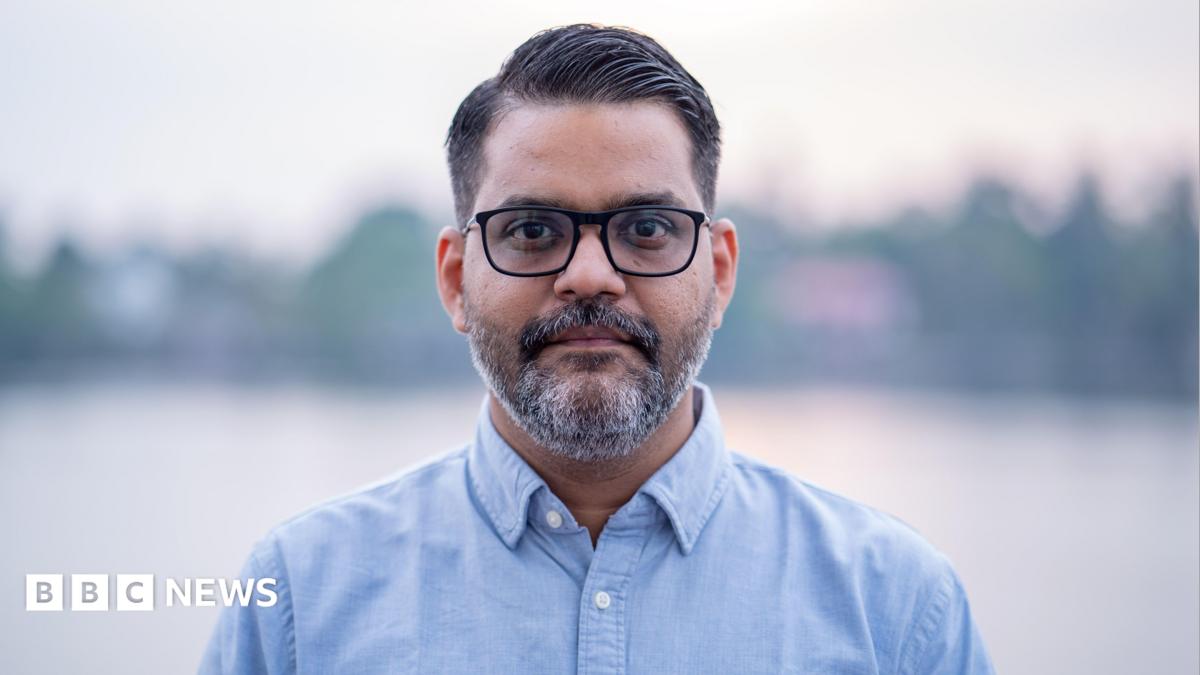
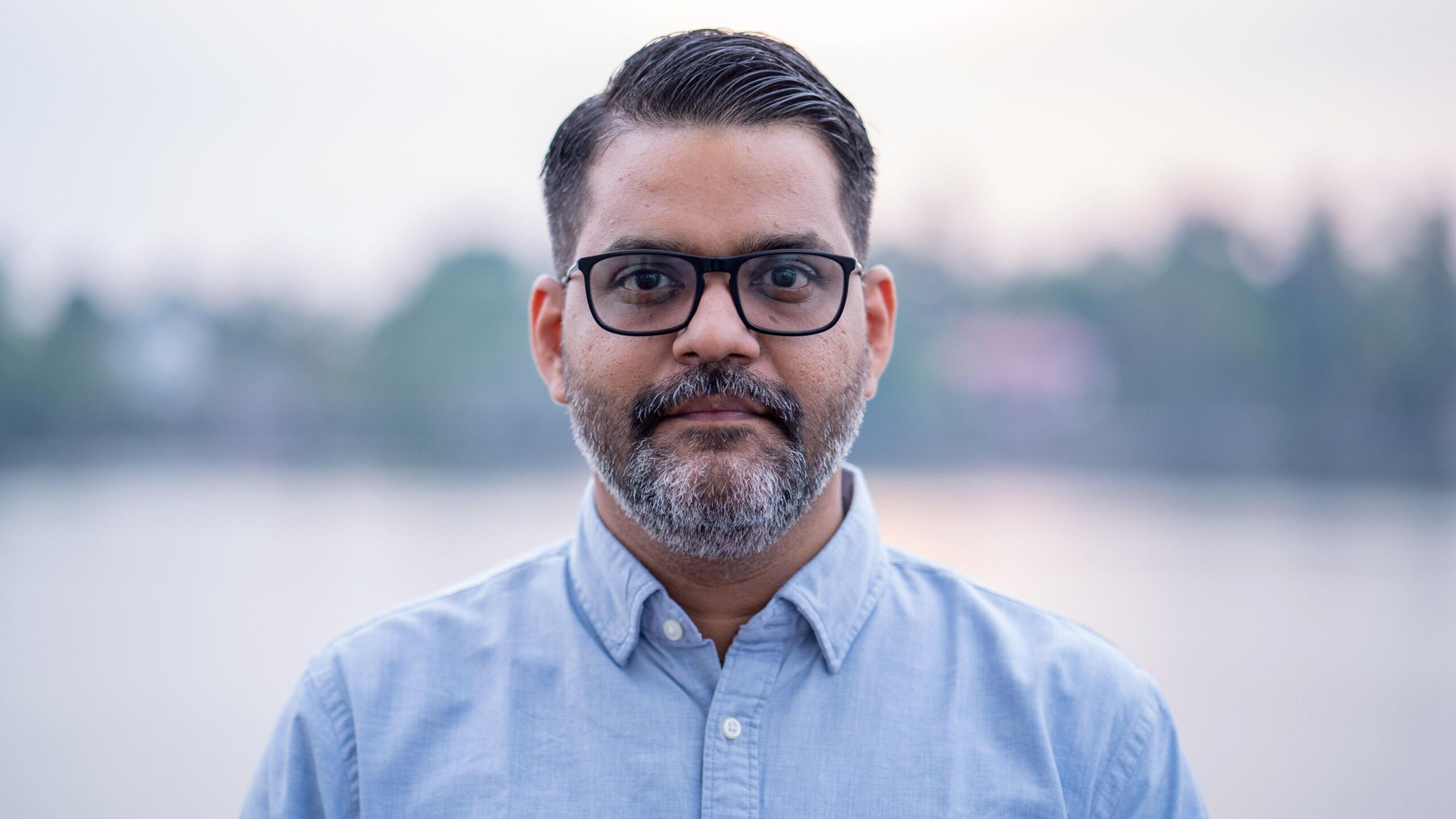
Dr Cyriac Abby Philips has become a high-profile liver doctor with a large online following, according to BBC News. The BBC profile, published under the headline “Loved and loathed: The making of India’s viral liver doctor,” describes how his direct commentary, frequent use of social platforms and insistence on clinical evidence helped him build an audience while drawing repeated criticism from proponents of traditional medicine in India (BBC News).
Quick summary
Dr Cyriac Abby Philips is a hepatologist who gained prominence by taking clinical debates into public online spaces, the BBC reports. His posts and threads focus on liver disease, drug safety and how to read scientific studies — material that spread widely beyond medical circles because of its clarity and confrontational tone (BBC News).
How Dr Cyriac Abby Philips built an online following
The BBC article outlines techniques that helped Philips reach a large audience: translating complex study findings into plain language, using long-form social threads and short videos, and repeatedly challenging claims he considered unsupported by strong evidence (BBC News). According to the report, his combination of forensic reading of studies and blunt public summaries attracted patients, junior clinicians and lay readers who wanted evidence-based explanations.
BBC reporting highlights that Philips’s content often centers on practical questions — for example, medication risks, hepatitis management and safety signals in research papers — and that those topics resonated because they address real patient concerns (BBC News). The piece describes how viral posts amplified his profile, turning clinical commentary into widely shared material in India’s online health conversations.
Conflicts with traditional medicine specialists
The BBC reports that Philips has often clashed with traditional medicine specialists in India, particularly when he publicly questions the evidence behind treatments promoted by some practitioners (BBC News). Those clashes have played out in public rebuttals, formal objections and media coverage, according to the BBC.
As the BBC notes, critics say Philips’s tone can be confrontational and that public disputes can inflame professional tensions (BBC News). Supporters counter that blunt public critique is sometimes necessary to challenge claims they view as potentially misleading or harmful. Where disagreements touch on regulation, the BBC report says, they illustrate friction between modern clinical standards and long-standing traditional systems in India (BBC News).
Supporters, critics and public reaction
BBC reporting describes a divided public response: many patients and some clinicians praise Philips for clarity and insistence on data, while others worry his public disputes escalate controversies and may not fully account for cultural roles of traditional practices (BBC News).
The article emphasises how social platforms magnify both support and criticism. Viral posts attract fast, polarized responses; a single exchange can become a broader symbol in debates about medical authority, trust and how the public evaluates competing health claims (BBC News).
Why it matters for India’s health debate
Why it matters: the BBC frames the Philips story as an example of how individual clinicians who are active online can shape public conversations about medicine in India (BBC News). His prominence raises questions about how the public judges medical claims, how professional disagreements should be handled in public, and whether digital-era communication requires new norms or oversight.
The BBC notes that episodes like these can have practical consequences: they affect trust in institutions, influence how people weigh traditional versus modern treatments, and shape the ecosystem around misinformation and public health communication (BBC News). Policymakers, professional bodies and platforms will likely continue to face pressure to define clearer standards for conduct, evidence and dispute resolution online.
Source and reporting note
This profile is based on reporting by BBC News. The original article, “Loved and loathed: The making of India’s viral liver doctor,” provides the reporting, examples and quotes summarised here (BBC News).
Source: Loved and loathed: The making of India’s viral liver doctor — BBC News – Health
Key takeaways
- Dr Cyriac Abby Philips built a large online following by translating clinical evidence for public audiences and posting forceful critiques (BBC News).
- His public critiques have often brought him into conflict with traditional medicine specialists in India, highlighting tensions about evidence, authority and cultural practice (BBC News).
- The case shows how social media shapes medical debate and underlines calls for clearer professional norms, better public understanding of evidence, and improved media literacy (BBC News).
Frequently asked questions
What happened with Dr Cyriac Abby Philips?
BBC reporting describes how Philips rose to wider attention by sharing evidence-based critiques and patient-focused explanations online. That visibility led to public disagreements with some traditional medicine advocates and to controversies covered in the media (BBC News).
Why does Dr Cyriac Abby Philips matter?
He matters because he illustrates how clinicians using social media can influence public understanding of medicine, affect patient choices and become central figures in debates over evidence versus tradition in India’s health landscape (BBC News).
What happens next?
The BBC suggests the immediate future could bring further public exchanges, possible professional reviews and continued discussion about how disputes should be handled in public spaces. The wider conversation will likely keep focusing on evidence standards, trust and the balance between cultural practices and modern clinical norms (BBC News).
Reporting credit: BBC News – Health. For the original reporting, see the BBC article linked above.