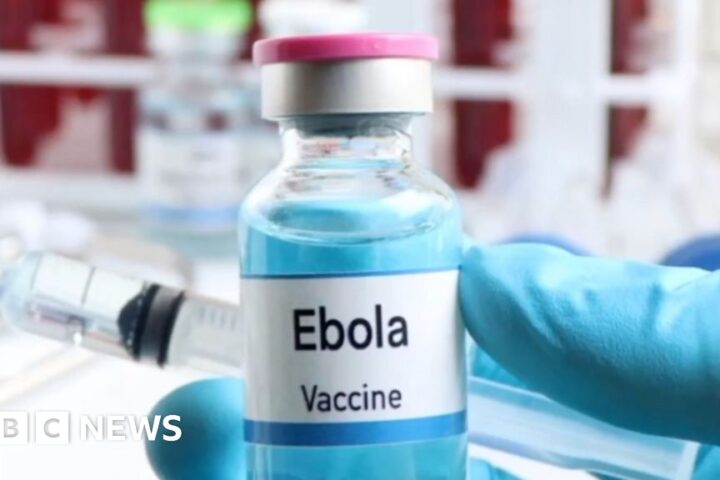
The UK medicines regulator has authorised human testing of an experimental Ebola vaccine, regulators and reporting outlets say. The move allows researchers to begin early-stage clinical work that will recruit healthy adults to assess safety and collect initial data on immune responses.
Ebola vaccine trials start in the UK
Officials say the approval permits carefully monitored clinical testing in people, a step that takes the candidate from laboratory and preclinical work into human study. Investigators and the regulator emphasise that the product remains experimental: approval to begin trials is not approval for general use and does not demonstrate that the vaccine is safe or effective for preventing disease.
Ebola vaccine: How it was developed
Reporting by BBC News quotes the developers as saying the vaccine was “developed in just eight weeks.” That specific phrase, used in the BBC article, has attracted attention because vaccine development timelines commonly span months or years when measured from initial design through laboratory testing and preclinical evaluation.

Rapid laboratory development can reflect prior research on related viruses, the use of modern platform technologies, targeted emergency programmes or an intensive, well-resourced effort. The BBC report is the primary public source for the eight-week timeline; independent, detailed verification of each stage of work covered by that claim has not been published alongside the initial coverage and the developers’ statement.
In other words, the eight-week figure describes how quickly the candidate was put together in the laboratory according to the team quoted by the BBC, but it does not on its own describe how much preclinical testing — for example in animals and in vitro studies — was completed before the regulator allowed human trials to begin.
What the trial will test and who it will involve
The approved studies will enrol healthy adult volunteers to take part in early clinical trials. These initial human studies typically prioritise safety: researchers look for any immediate or short-term adverse effects and monitor participants closely. Trials may also measure markers of immune response, such as antibody levels, to provide an early signal about potential activity against the virus, though such findings do not prove protection.
Clinical protocols set out participant eligibility, dosing schedules, follow-up appointments and the ways adverse events are recorded and reported. Independent oversight — often in the form of data and safety monitoring boards or ethics committees — reviews emerging safety information and can recommend pausing or stopping a trial if concerns arise. The current approval confirms that the UK regulator judged the available preclinical data sufficient to permit carefully controlled human testing under such safeguards.
Safety, limits and outstanding questions
It is important to stress the limits of early-stage approval. Permission to conduct trials means regulators accept that the candidate can be studied in humans with appropriate protections; it does not imply that the vaccine works or that it is free of significant risks. Determining whether a vaccine prevents Ebola requires later-stage trials with larger numbers of participants, often conducted in settings where the virus is circulating, and sometimes supported by regulatory review of comprehensive safety datasets.
The experimental status leaves key questions open: how strong and durable any immune response will be, whether side effects are short-lived or more concerning, and how the candidate compares with existing licensed products. Journalists and scientists caution that speed in early development—such as an eight-week laboratory build—does not guarantee positive results in human studies.
Background on Ebola vaccines and prior trials
Work on Ebola vaccines has been ongoing for years, with several approaches tested in clinical trials and at least one vaccine authorised and used in outbreak responses. Earlier trials have helped establish that vaccines can generate protective immune responses in some contexts, and those programmes provided regulatory and operational lessons that inform how new candidates are developed and evaluated.
New candidates are often compared against this body of evidence as they move through the stepwise clinical trial process. The existing experience means regulators and researchers bring a degree of prior knowledge to safety and trial design decisions, but each new vaccine still needs its own evidence from properly conducted human studies.
What comes next
Recruitment of volunteers will begin under the trial protocol. As data accrue, safety reviews will determine whether the study continues as planned, is modified, expanded into larger trials, or halted. If early human results are acceptable, developers typically propose larger studies to assess efficacy and to monitor for rarer or later-onset side effects across more diverse populations and longer follow-up periods.
Observers will look for peer-reviewed publications or formal regulator statements that provide more detail about the preclinical evidence, the trial design and emerging human data. Until such material is available, both the eight-week development claim and the vaccine’s safety and effectiveness remain matters for further verification.
Source and credits
Reporting by BBC News provided the initial public account of the regulator’s approval and quoted the developers’ statement that the vaccine was “developed in just eight weeks.” The UK medicines regulator authorised the start of human trials. Original BBC coverage: UK begins trials of Ebola vaccine developed in just eight weeks.
For this article: facts and the eight-week claim are attributed to BBC News and statements from the vaccine developers as reported by the BBC; regulatory approval is attributed to the UK medicines regulator as described in that report.