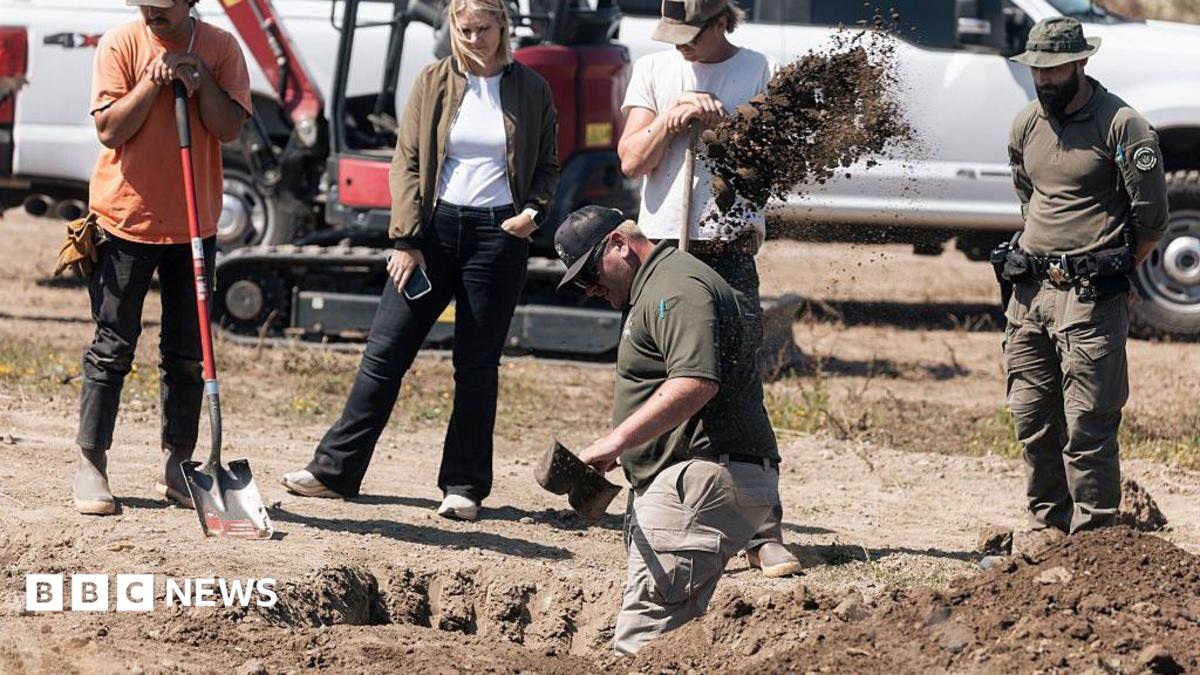
BBC News reported that 117 dead dogs were found at a California “no-kill” animal rescue. Investigators have begun excavating the facility’s grounds and say they are searching for hundreds more animals that are reported missing.
The discovery has prompted an active criminal and animal-welfare inquiry. Officials at the scene and those briefing the media cautioned that findings are preliminary while forensic and law enforcement teams continue detailed work.
What was found: 117 dead dogs found
Teams inspecting the property counted 117 deceased dogs during an on-site review, BBC reported. That figure comes from the initial inspection and is being treated by investigators as a working total as they process remains and review records.
Authorities have not released the names of the facility or detailed lists of animals beyond the reported count while they verify intake and adoption records and complete identification work.
Evidence reported, including alleged gunshot wounds
Media coverage cited by BBC said many of the animals appeared to show injuries consistent with gunshot wounds. Officials stressed these observations are preliminary; they have said laboratory and forensic testing are needed to confirm causes of death.
Investigators are documenting remains, photographing evidence and collecting samples to send to forensic laboratories. Police and animal-welfare investigators emphasised that visual assessments at the scene do not substitute for full forensic results.
Hundreds more animals missing and ongoing excavation
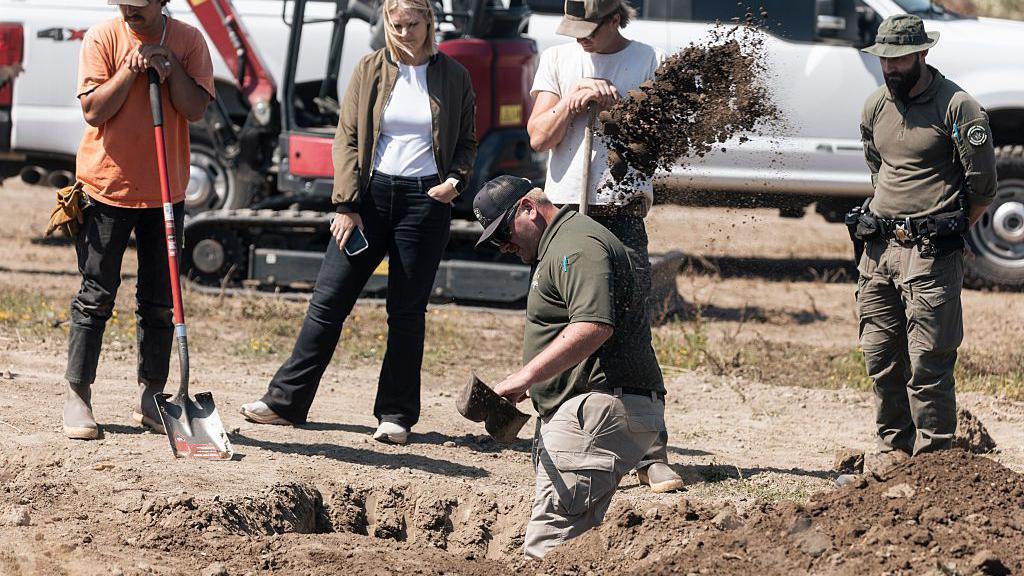
BBC also reported that hundreds more animals are listed as missing from the facility. Because of that scale, investigators have started methodical excavation of parts of the property to locate additional remains or evidence that could clarify what happened.
Search and recovery operations combine excavation equipment with forensic teams and personnel experienced in handling animal remains. Officials said the work is slow by necessity to preserve any evidence that could be critical to a criminal case or civil enforcement action.
Official response and investigators’ next steps
Local law enforcement and animal-control agencies are leading the inquiry, coordinating forensic testing, witness interviews and a records review. Investigators are seeking veterinary records, microchip databases, intake logs and adoption paperwork to match animals to reported lists.
Next steps identified by authorities include laboratory testing on tissue and ballistic analysis where appropriate, cross-checking microchip identifiers, and continuing interviews with staff, volunteers and others who had access to the site. Officials said they will provide updates as evidence is processed and verified.
How the public can help and safety notes
Officials have asked anyone with information about animals connected to the facility to contact local law enforcement or the agency leading the investigation. People who believe an animal may be missing should supply identifying details such as microchip numbers, recent photos, veterinary records or adoption documents to investigators.
Members of the public are advised not to enter the property while law enforcement and forensic teams are working. If someone believes an animal is in immediate danger, they should contact local animal-control or police rather than attempting a private retrieval, which could endanger the animal and compromise evidence.
What comes next
Investigators say the work is expected to take time because of the size of the facility and the number of animals involved. Forensic and laboratory testing, including any ballistic analyses where results are needed, may take days to weeks. Authorities have indicated they will release additional information as key results are confirmed.
Those tracking the case — including potential criminal investigators and animal-welfare officials — will continue gathering documentary records and witness statements to build a fuller timeline of events and to determine whether prosecutions or regulatory actions are warranted.
Source details and timeline
BBC News published the initial report on 2026-06-28. The BBC article is the primary public source for the counts and descriptions included here; details remain subject to change as officials complete forensic testing and other investigative steps.
FAQ
How many dogs were found dead at the rescue?
BBC reported that 117 dead dogs were found at the California facility. Investigators are continuing to verify records and remains, so figures may be updated as work continues.
Are the reports of gunshot wounds confirmed by investigators?
Reports that many dogs had gunshot wounds were included in BBC’s coverage as observations at the scene. Officials have said forensic testing is required to confirm causes of death and any ballistic findings.
How can people report a missing animal from the facility?
Anyone with information should contact the local law enforcement agency or the investigative body named in official briefings. Providing microchip numbers, clear photos, veterinary records or adoption paperwork will help investigators confirm an animal’s status.
For the most recent details and the original coverage, see the BBC News report: 117 dead dogs found at California ‘no-kill’ animal rescue – many with gunshot wounds (BBC News, 2026-06-28).