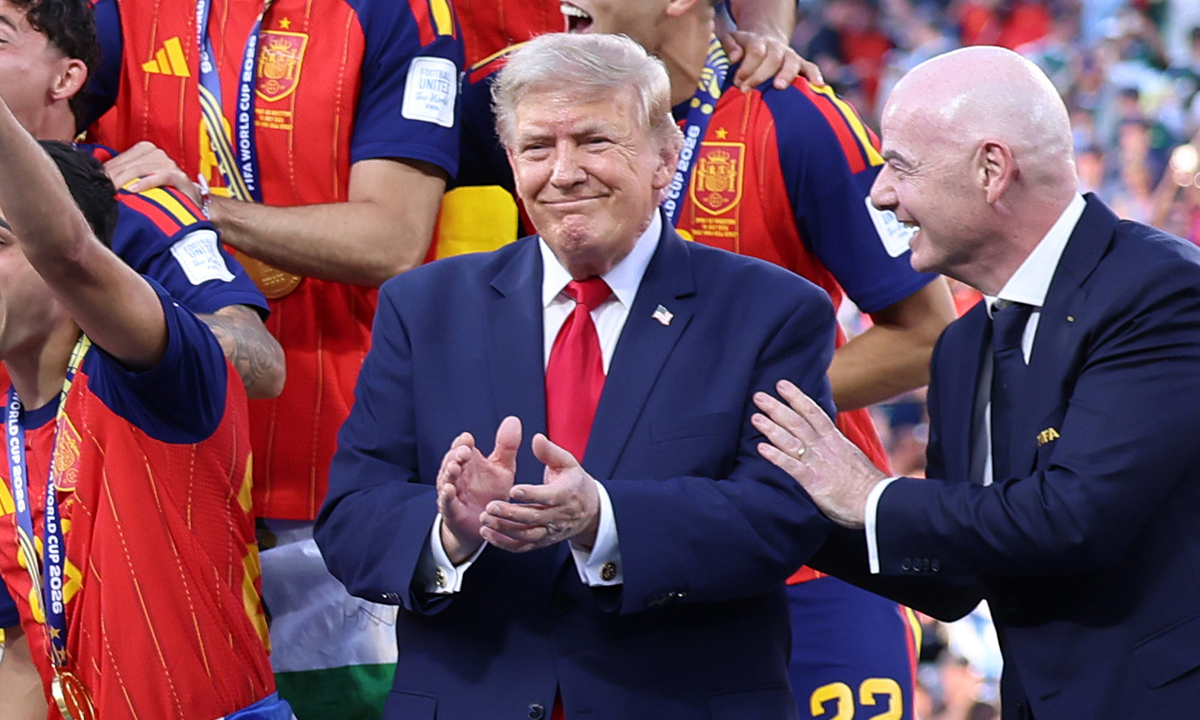
Fox reported that the 2026 FIFA World Cup Final ratings averaged 38.937 million viewers, a figure the network says makes the Spain-Argentina match the most-watched English-language soccer broadcast in U.S. history. The network also said the game peaked at nearly 52 million viewers. These 2026 FIFA World Cup Final ratings are network-published, and industry services are expected to publish consolidated totals for independent verification.
2026 FIFA World Cup Final ratings: Peak audience and record claims
According to Fox, the Spain vs. Argentina final drew an average audience of 38.937 million viewers and reached a peak audience approaching 52 million. The network framed those numbers as a new English-language record for soccer broadcasts in the United States, exceeding previous benchmarks set earlier in the tournament.
Fox described the reported peak and average as among the largest U.S. TV audiences for a single sporting event in recent decades outside the Super Bowl. The network’s figures are preliminary and network-reported; ratings agencies such as Nielsen typically issue consolidated and national estimates that may revise network-reported totals after accounting for delayed viewing and platform differences.
How it compares to past U.S. TV events
Fox noted the final outpaced earlier tournament benchmarks, including a round-of-16 match between the U.S. Men’s National Team and Belgium that set a prior English-language soccer broadcast record during the same World Cup. That U.S. match had already signaled growing interest in live soccer on U.S. television.
The network also compared the reported figures with long-standing television milestones, saying the final was the highest U.S. viewership for a non-Super Bowl sporting event since the 1984 Winter Olympics. While that comparison underscores the scale Fox attributes to the match, independent ratings consolidation from firms like Nielsen will be used to confirm historical rankings across networks and languages.
By the numbers
- Average viewers: 38.937 million (reported by Fox)
- Peak viewers: nearly 52 million (reported by Fox)
- Claimed record: most-watched English-language soccer broadcast in U.S. history (per Fox)
- Historical comparison: Fox said this is the largest non-Super Bowl TV audience since the 1984 Winter Olympics
Attendance and international fans at U.S. sites
Fox also reported that in-person attendance at U.S. venues broke records before the group stage had even concluded. The network said visitors came from around the world and offered overwhelmingly positive feedback about stadiums, local hosts and the fan experience.
On-the-ground reporting described consistently sold-out matches, long lines outside stadia, and vibrant fan zones near major host cities. While attendance figures come from tournament organizers and venue reports rather than Nielsen-style TV metrics, the combination of high in-person turnout and elevated broadcast audiences suggests the tournament produced strong engagement across formats.
What this means for broadcasters and future Cups
If Fox’s reported figures are confirmed by independent measurement, they could alter the negotiation landscape for future TV rights and advertising inventory. A near-52 million peak audience increases the bargaining power of networks that hold live-rights packages and can argue for higher fees in future rights cycles.
Advertisers pay premiums for reliably large live audiences, and sustained interest at these levels may shift how media buyers allocate budgets toward event television. Networks may also invest more heavily in promotional build-up, talent, and multi-platform distribution to maximize reach for marquee matches.
The conversation around future tournament formats, including discussions about expanding competitions to larger fields (for example, proposals that have floated a 64-team format in various debates), could be influenced by demonstrable U.S. demand. Organizers and rights holders often weigh live attendance, stadium capacity, and TV reach when evaluating host selection and tournament structure.
Industry observers will watch consolidated ratings releases and third-party verification closely. Advertisers, rights holders and networks depend on finalized, cross-platform ratings to set long-term deals; preliminary network-reported numbers are an early indicator rather than a definitive accounting.
FAQs
What happened with 2026 FIFA World Cup Final ratings?
Fox reported that the Spain-Argentina final averaged 38.937 million viewers and peaked at nearly 52 million, calling it the most-watched English-language soccer broadcast in U.S. history. These figures are network-published and may be revised after independent consolidation by ratings agencies such as Nielsen.
Why does 2026 FIFA World Cup Final ratings matter?
Large TV audiences affect broadcast rights values, advertising revenue and how networks prioritize live soccer coverage. High viewership can also influence FIFA and host planners on venue and format decisions, especially if broad national TV reach strengthens the case for U.S.-centered hosting and larger tournament fields in future cycles.
What happens next?
Ratings agencies typically release consolidated totals after networks publish preliminary numbers. Nielsen and other measurement firms will provide official, cross-platform reports that industry stakeholders use to evaluate ad performance, rights negotiations and planning for future World Cups. Expect updates as those consolidated figures are released.
Source: Fox News. Independent measurement and consolidated ratings will be published by agencies such as Nielsen for final verification.