

The 2026 World Cup final opened as a sporting event but has been widely reported as a cultural moment. The 2026 World Cup final was framed in immediate coverage around an appearance by President Trump, what some reports described as the longest half-time in football, and musical segments involving songs by a host of stars.
This piece summarises what was reported, names verified performers, assesses why the fixture is being remembered off the pitch and flags what still needs careful verification before conclusions are drawn.
What happened at the 2026 World Cup final
According to BBC reporting, the match day blended sport, spectacle and high-profile appearances. Accounts emphasised the presence of major entertainers and the reported appearance of President Trump in stadium hospitality, alongside an extended half-time production that some commentators called the longest half-time in football.
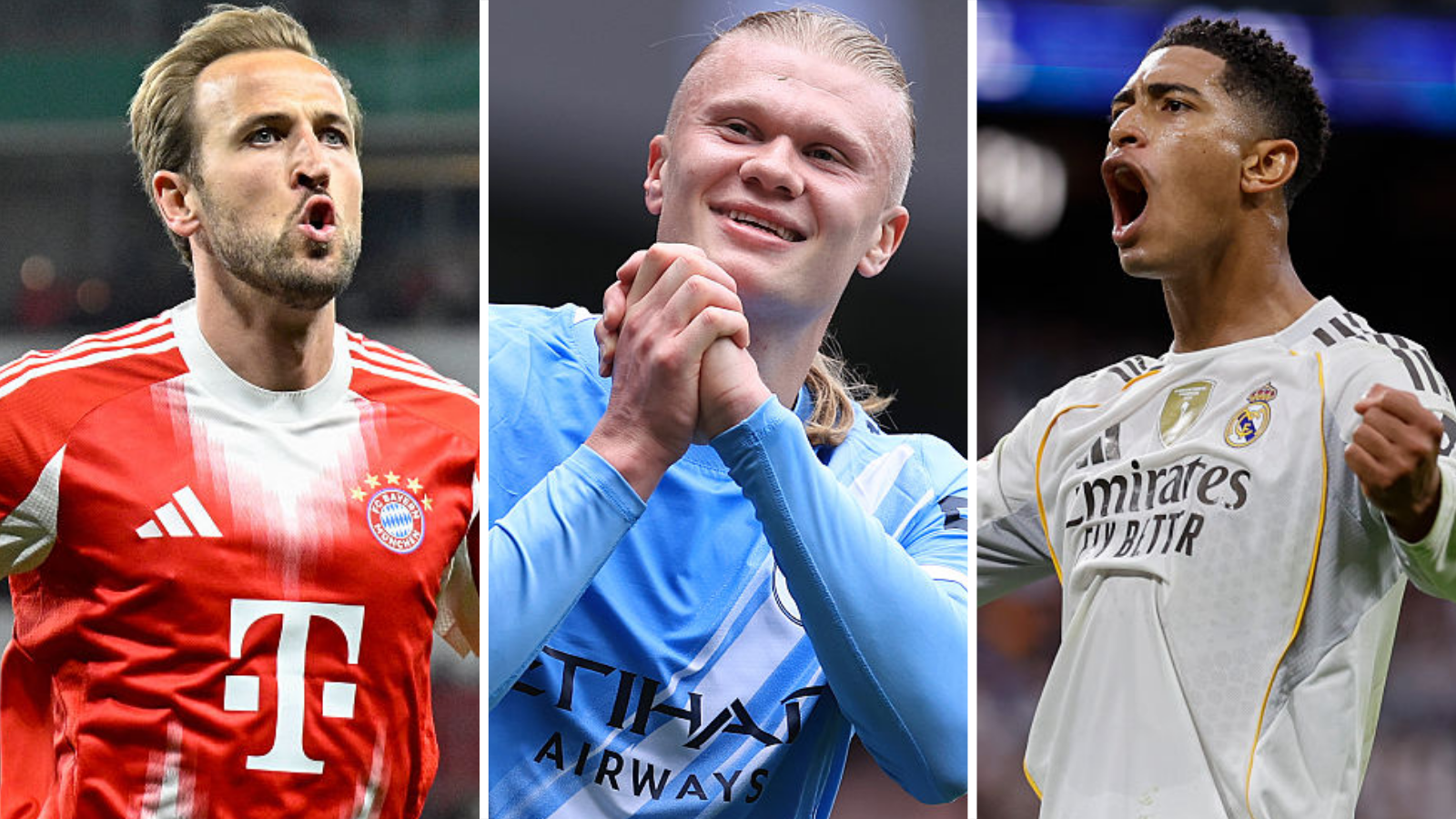
Contemporary news coverage concentrated less on the match details and more on the surrounding events: a prolonged entertainment segment, celebrity guests and broadcast decisions that amplified those elements in headlines and social feeds.
Who appeared and who performed
Named in the BBC account were Justin Bieber and Shakira among others. Reports characterise the entertainment package as including songs by a host of stars, though the immediate item did not list a minute-by-minute rundown or an exhaustive performer roster.
What can be said with reasonable confidence from the BBC report is that multiple high-profile musicians took part in the stadium programme and that the performances formed a significant, broadcast-focused production rather than a single short set.
Details such as the exact song list, precise set lengths and production cues were not provided in the initial piece. Organisers’ schedules, production notes or verified broadcast footage will be needed to attribute songs or specific segments to named performers with certainty.
Why the final is being remembered off the pitch
Several factors combined to shift attention away from the match itself. First, celebrity appearances and the presence of political figures generated immediate social and editorial interest. Second, broadcasters amplified the entertainment segments in their live coverage, creating a wider conversation about the role of spectacle in major sporting finals.
When off-field elements dominate coverage — extended production breaks, political guests and multiple headline musicians — the sporting contest can recede in public memory. For many observers, the 2026 World Cup final may not linger long in the memory for the on-pitch details but rather for the wider cultural spectacle that unfolded around it.
Verification: what is asserted and what is confirmed
It is important to separate asserted facts from those independently confirmed. The BBC report describes a reported appearance by President Trump; given the political sensitivity of that claim, readers and reporters should treat it as asserted pending corroboration from primary evidence such as official statements, venue logs, photographic or video confirmation, or multiple independent outlets.
Likewise, the description of the longest half-time in football is a comparative claim. The BBC frames the half-time as notably long; however, confirming it as the longest half-time in football requires comparing official match timing, broadcast logs and historical records of half-time durations. Until that comparative review is completed, characterising it as the longest half-time in football should remain provisional.
The mentions of songs by a host of stars and performers like Bieber and Shakira reflect the entertainment-heavy framing. They match what the BBC reported, but precise song lists, timestamps and production credits have not been exhaustively provided in the initial coverage.
What comes next for coverage and follow-ups
Expect follow-up reporting to focus on corroboration and context. Journalists will likely seek: official confirmation about guests in stadium hospitality; broadcast feeds or raw footage to time the half-time break; and production schedules or statements from event organisers to identify performers, song lists and commercial arrangements.
Subsequent stories may probe why organisers chose an expanded entertainment package, how broadcasters balanced spectacle with sporting coverage, and whether the production choices affected viewer experience, match momentum or commercial returns.
For readers and newsroom editors, practical next steps are straightforward: request official timing and production records, secure visual or documentary evidence for high-profile appearances, and treat politically sensitive assertions with appropriate caution until corroborated.
In short, the 2026 World Cup final became a cultural event as much as a sporting one in early accounts — a moment where celebrity and politics shared headlines with football. But key claims remain to be independently verified before they become settled parts of the event’s history.
Source: BBC News. Original reporting: Trump, Bieber and Shakira – a World Cup final like never before. The BBC link above is cited here to identify the primary account used for this analysis; additional primary evidence is needed to confirm timing and presence claims.


