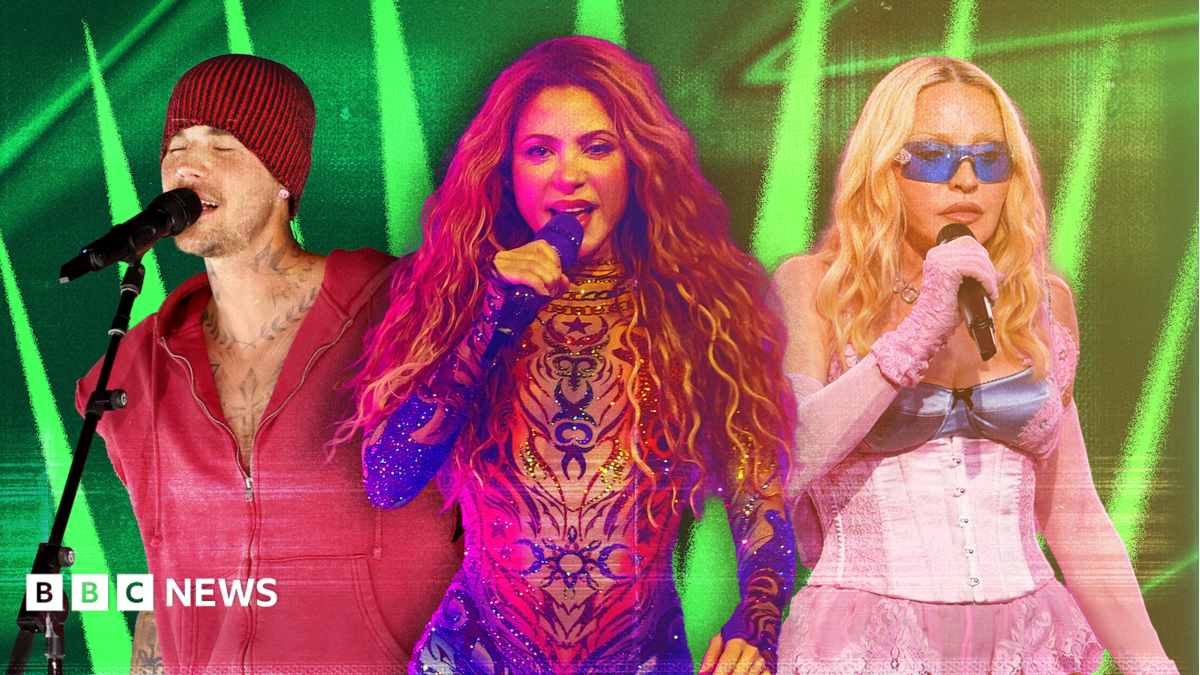
The 2026 World Cup half-time show is drawing attention not just for star power or production but for what its prominence could mean for music in sport going forward. Early reporting has framed the choice as a deliberate attempt to expand the tournament’s entertainment offer; BBC News says organisers have presented the show as part of a broader effort to give fans more staged content alongside the match. This analysis examines scale, fan impact, rights and plausible spillover to other competitions while making clear where the discussion moves from reported fact into informed speculation.
Quick overview: the 2026 World Cup half-time show
The 2026 World Cup’s spectacle is creating debate about the place of music in sport. According to BBC reporting, organisers have framed the show as part of a larger effort to broaden the tournament’s entertainment offer beyond the match itself. That description has prompted questions about audience expectations, the balance between sport and staging, and how broadcasters and rights holders will manage content, timing and commercial opportunities.
“The tournament’s organisers have framed the show as part of a larger effort to broaden the tournament’s entertainment offer.” — BBC News
2026 World Cup half-time show: scale and production
What sets this half-time show apart is scale. Planning aims at a global broadcast moment with significant staging elements and a substantial production budget. The result looks more like a pop-music spectacle staged inside a sports event than a short stadium intermission.
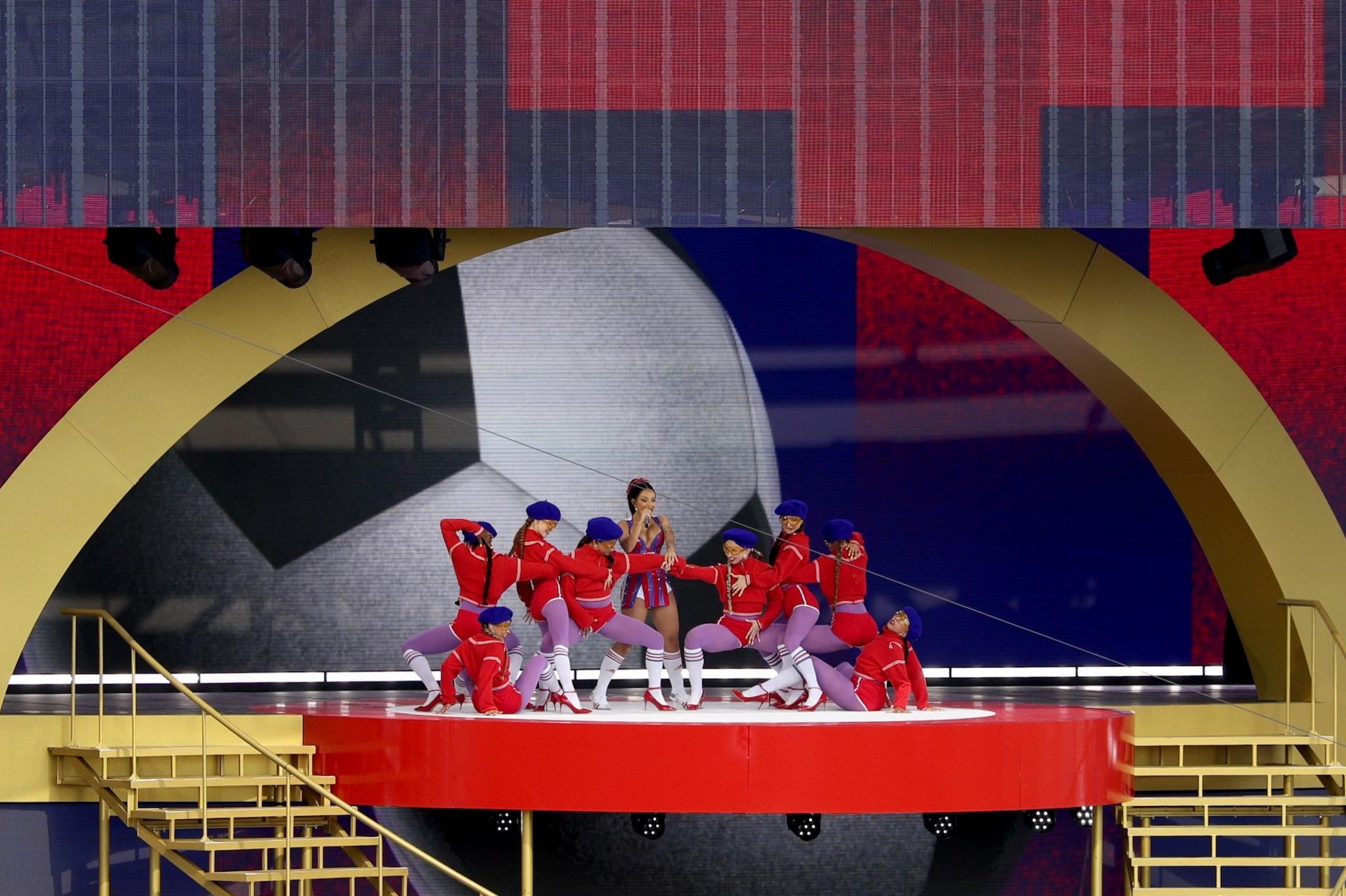
Sports spectacle at this level requires complex logistics: bespoke camera plans, dedicated audio mixes for TV, large-scale staging that preserves sightlines and safety, and tight coordination with match timing. Rights holders and host broadcasters need to integrate live performance feeds into existing transmission workflows without disrupting coverage of the match itself.
There is a clear analogue: the Super Bowl halftime show is already a standalone entertainment product within a sporting event, requiring separate staging, camera direction and broadcast handling to serve TV audiences and stadium crowds. If the World Cup show follows that model, it will increase production complexity and cost.
Why the music debate matters
For fans, the debate is partly about expectations. Some viewers welcome larger entertainment segments as added value and a way to attract casual audiences. Others feel such spectacles can distract from the competition and erode the primacy of the sport during marquee moments.
For broadcasters and rights holders, the stakes are commercial and legal. Music-led spectacle can open new sponsorship and advertising packages, but it also introduces licensing, performer contracts and broadcast-clearance demands that complicate existing rights deals. These layers increase negotiation complexity and could raise the cost of staging major shows at future tournaments.
Broadcasters will push for integrated audiovisual plans and clear contractual terms governing how live performances are recorded, mixed and rebroadcast. At the same time, rights holders and organisers must balance revenue opportunities against potential fan backlash and the reputational risk of over-staging a match.
How the show could influence other tournaments (speculative)
It is plausible that elements of the 2026 World Cup half-time show could infiltrate other tournaments, but any spread will be selective and uneven. Tournament organisers routinely watch what attracts global audiences and may adopt features that demonstrably increase viewership or sponsorship income.
Smaller or regional competitions will weigh costs, calendar constraints and fan culture. For some, a condensed music segment during a final could be an affordable way to attract casual viewers and sponsors. For others, especially competitions with tight schedules or strong traditionalist followings, adoption will be unlikely.
Speculative scenarios include a leading regional final trialing a short, high-production music insert or broadcasters negotiating bespoke performance rights to create enhanced TV packages. Each outcome depends on budgets, local appetite for spectacle and clear evidence of commercial return. It is important to label these scenarios as speculative: no official rule change or industry-wide shift is guaranteed by one event’s staging.
“No official rule change or industry-wide shift is guaranteed by a single event’s staging.” — Nonstop News analysis
What comes next: decisions and likely outcomes
Key decisions will fall to tournament organisers (for the World Cup, FIFA and the local organising committees), host broadcasters and commercial partners. Organisers set the show format and scope; broadcasters decide how to present and monetise it on-air; sponsors influence creative direction through commercial deals. BBC reporting suggests organisers are already positioning the show as part of a broader entertainment strategy, which will push these stakeholders into early talks about licensing and broadcast clearances.
In the short term (12–24 months), expect targeted trials: condensed music segments at finals or high-profile matches, refined broadcast packages for live performance and clearer contractual language around performer rights and rebroadcast. Rights holders may insist on dedicated clauses to protect music licensing windows and revenue shares derived from live performances.
Longer-term adoption will hinge on audience data. If broadcasters can show that music-led spectacles measurably boost viewership and sponsorship value without alienating core fans, more tournaments may experiment. If backlash is strong or production costs outweigh benefits, large-scale shows may remain occasional, event-specific spectacles rather than an industry-wide norm.
Source attribution: reporting by BBC News; analysis and scenarios here are marked when speculative. For the original BBC coverage, see: BBC News – Top Stories
Next steps: stakeholders will monitor audience reaction and commercial returns closely. Watch for trial events, updated host-broadcaster agreements and clearer clauses in rights contracts as early indicators of whether the 2026 approach will ripple across sport.