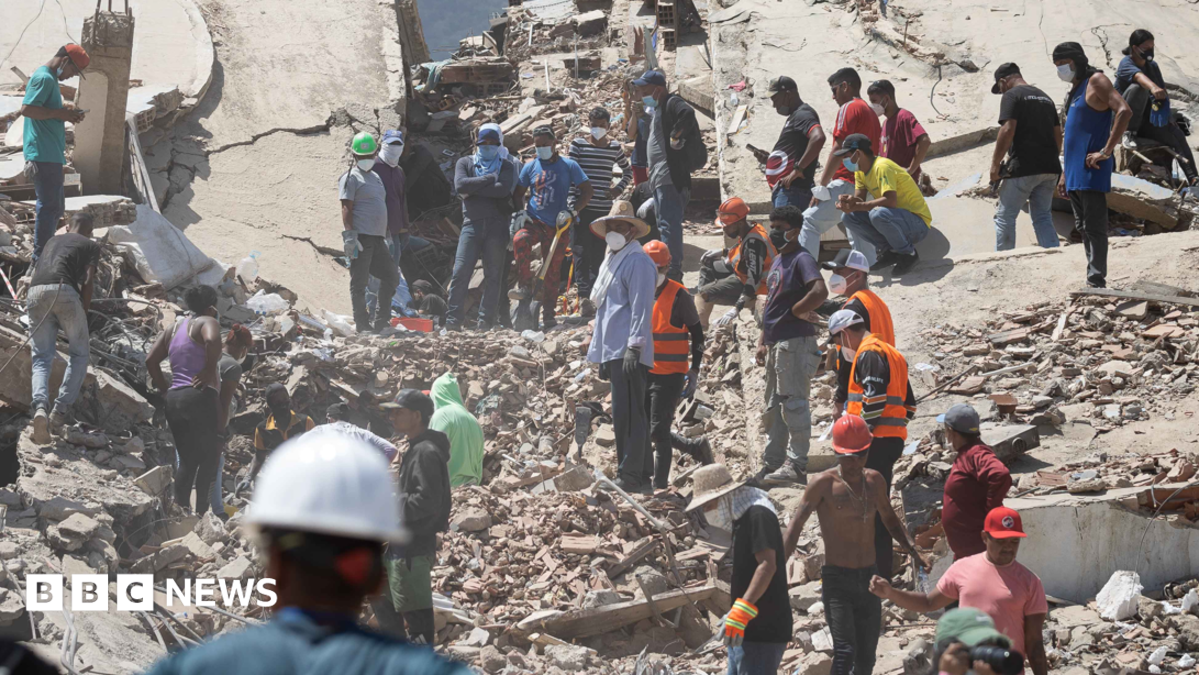
Rescue efforts in the hours after an aftershock Venezuela were frantic, with neighbours and volunteers using whatever tools they had to reach people trapped beneath collapsed buildings. Streets filled with dust and voices calling names as improvised teams formed immediately where professional crews had not yet arrived.
The scenes reported by BBC News show communities acting as first responders: people handing down crowbars, passing up pickaxes and reaching into gaps with bare hands. The urgency and improvisation underline how much immediate life-saving depended on neighbours rather than coordinated relief in the first hours.
Aftershock Venezuela: the immediate scene
In several damaged districts, small crowds gathered at the edges of collapsed homes and apartment blocks. Some people tried to shore up unstable walls with timber and ropes while others used muscle and tool to lever concrete away from trapped individuals.
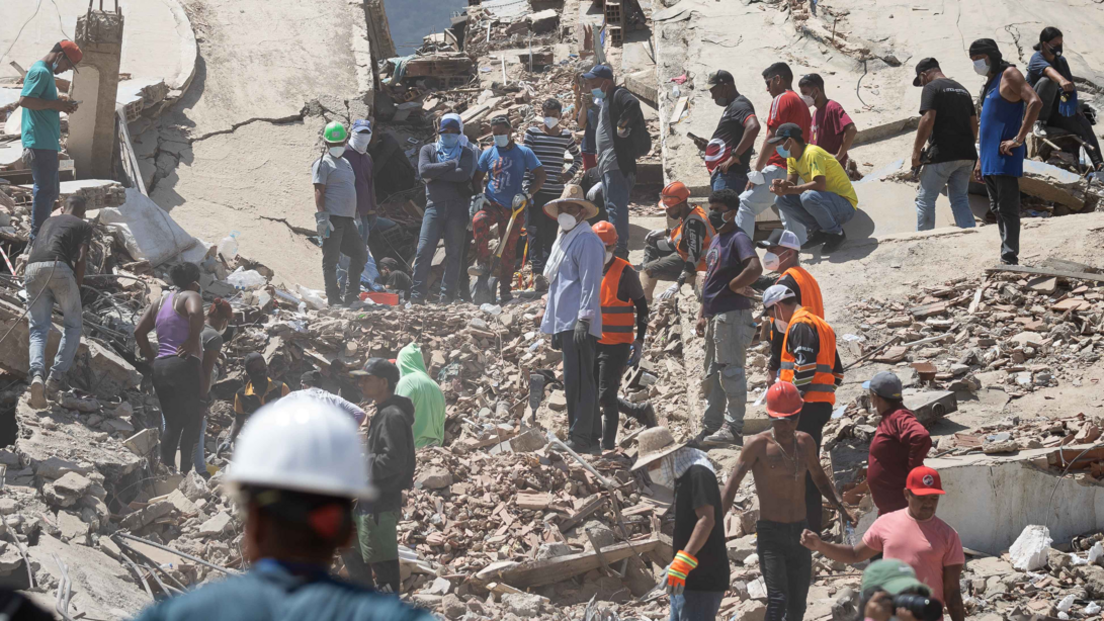
The mood combined shock and determination. Calls for silence so trapped people could hear rescuers were followed by frantic digging when voices were heard from under the rubble. Neighbours improvised stretchers, helped carry the wounded to makeshift triage points and shared basic supplies.
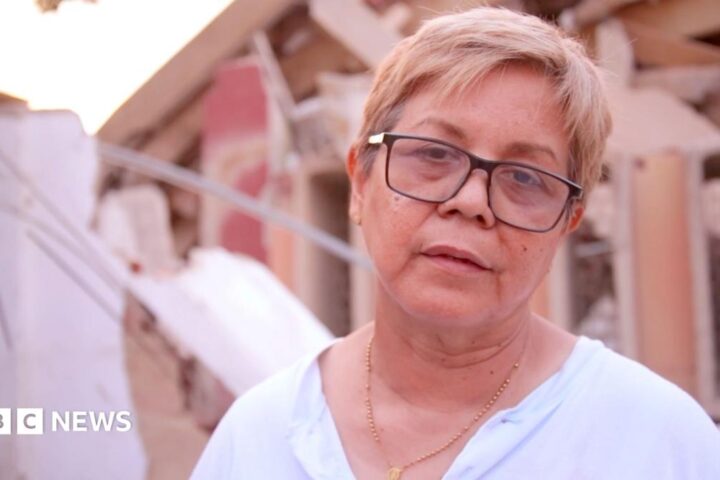
BBC reporting emphasises that many residents felt left to fend for themselves in those first hours, a claim mirrored in multiple eyewitness accounts. Any casualty figures circulating remain unverified allegations; BBC News had not confirmed official totals at the time of reporting.
Improvised rescues in devastated areas
Volunteers and residents described using crowbars and pickaxes to free pinned doors and pry away fallen beams. Where there were no tools, people used their bare hands to clear dust and rubble from faces and limbs, trying to free those who were breathing but trapped.
Teams often worked in quick shifts so those digging could rest; few had protective gloves, helmets or breathing masks. People also guided one another on how to lift safely and how to avoid causing further collapses, but the risk of secondary damage and injury remained high.
These improvised rescues are not a replacement for trained search-and-rescue crews, yet they were decisive in pulling survivors free where formal access was delayed. The bravery of volunteers and the speed of community response influenced how many people were reached in the initial phase.
Human impact and gaps in formal response
Families reported being left to fend for themselves, and immediate humanitarian needs extended beyond search and rescue. People without safe shelter needed emergency housing; those with injuries required medical attention that strained local clinics and volunteer medics.
Access to clean water, electricity and safe sanitation became urgent for displaced households. The disruption of basic services can multiply health risks quickly, particularly for children, the elderly and people with chronic conditions.
BBC News had not confirmed official casualty numbers when it reported from the scene. Because official totals and the full scale of government or international humanitarian response were unclear, any numerical claims should be treated as unverified allegations until confirmed by authorities.
What comes next for survivors and aid
What comes next will depend on how quickly trained search-and-rescue teams and medical units can be mobilised to the hardest-hit neighbourhoods and on how well arriving agencies coordinate with local volunteers. Priorities in the short term include establishing clear triage areas, restoring safe water and setting up temporary shelter.
Supplies such as protective gloves, ropes, shoring materials and basic medical kits will help volunteers work more safely and effectively. Humanitarian organisations often focus first on medical evacuation, emergency trauma care, and reducing immediate health risks from exposure and contaminated water.
Reporters and aid coordinators will be watching for official casualty figures, announcements of deployed rescue teams, and any rapid humanitarian assistance from national or international agencies. Equally important is the ability of local authorities to coordinate logistics, security and distribution so that community-led efforts are supported rather than duplicated.
Source and reporting
This article is based on reporting by BBC News. Original coverage: Aftershock frays nerves as many Venezuelans left to fend for themselves (BBC News).
Who is affected?
Residents of the hardest-hit neighbourhoods are most affected: people whose homes were damaged or destroyed, local volunteers taking on rescue work, and families trying to account for missing relatives. Vulnerable groups such as older adults and children face higher immediate risks without coordinated support.
How are people being rescued?
Neighbors and volunteers are using crowbars, pickaxes and their bare hands to clear rubble and reach trapped people. Those improvised rescues have been crucial where trained teams were delayed; however, they come with increased risk to both rescuers and survivors if shoring and protective equipment are lacking.
What help is needed?
Immediate needs include medical care for the injured, safe water, shelter for displaced families and protective equipment for rescuers. Longer-running humanitarian support may be required to repair housing, restore utilities and provide psychosocial help to communities traumatised by the event.
For continuing updates and any confirmed casualty figures, see the BBC News report linked above for the latest official statements and on-the-ground reporting.