American sports have been woven into the nation’s civic life for roughly 250 years. As social rituals they offer shared reference points that can bridge local differences and create moments of national attention. From Little League diamonds to the Olympic podium, American sports help form identities, reward excellence and surface conflicts about fairness and values.
How American sports shaped national identity
For generations, American sports have acted as a common language. The claim that American sports help bind communities rests on recurring spectacles and on memorable moments that enter public memory. The rhythms of a season, the ritual of rivalries, and widely viewed championships all reinforce a sense of belonging across geography and political lines.
High-attendance, widely watched events create shared cultural time. Millions tune in for March Madness, the Super Bowl or World Series games; when that happens, people from distinct communities talk about the same plays and players on the same day. Those shared experiences, repeated over decades, form part of the social fabric.
Big events that capture the country
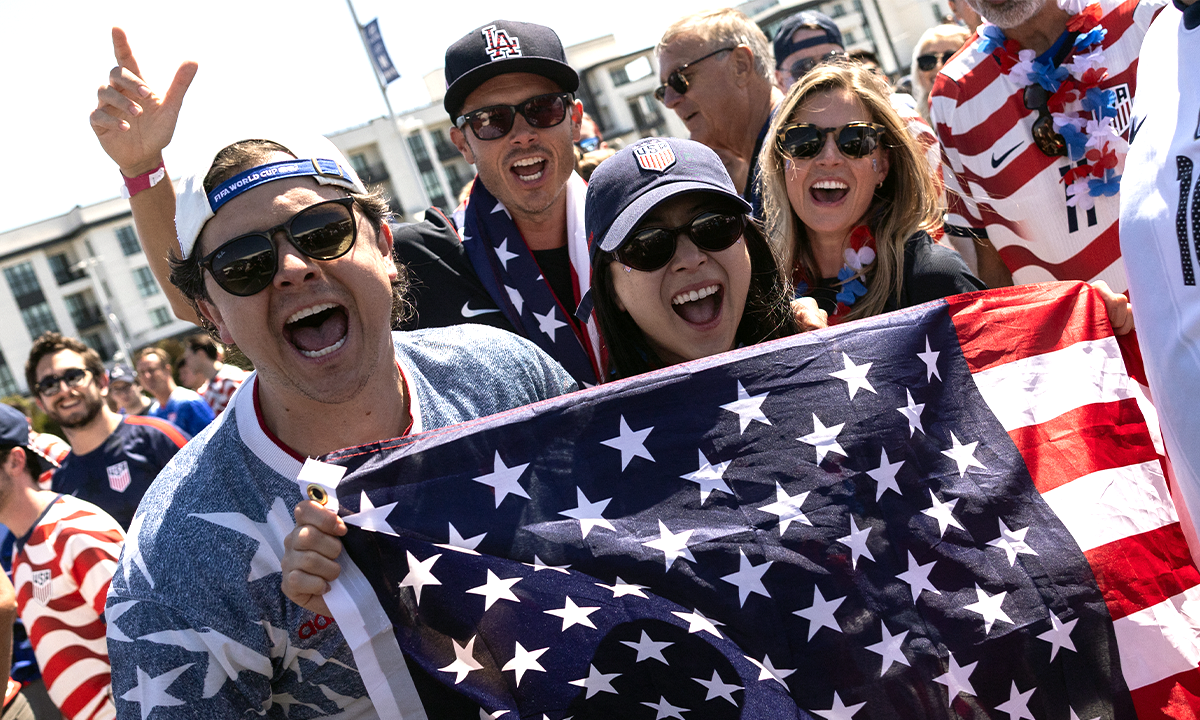
Major competitions play an outsized role in cultural life. The NCAA Tournament (March Madness) delivers unpredictable, must-see moments that dominate news cycles. The World Series and the Super Bowl operate as fall and winter touchstones. International events — the Olympics and the FIFA World Cup — extend the national conversation to global stages while continuing to supply Team USA narratives that matter domestically.
Those events supply shorthand references: the buzzer-beater, the walk-off hit, the last-second field goal. They become part of conversational currency and are deployed in politics, advertising and everyday social exchange as markers of who we are and what we celebrate.
Service, sacrifice and symbolic moments
Sporting moments often intersect with service and national mourning. In the aftermath of September 11, 2001, carrying the American flag onto fields and courts became a public ritual that helped many communities express grief and solidarity. Pat Tillman, who left an NFL career to enlist in the U.S. Army after 9/11 and later died in combat, is widely cited as an example of the overlap between athletic life and national service.
Sport also offers symbolic victories. The 1980 U.S. Olympic hockey victory—the “Miracle on Ice,” coached by Herb Brooks—has been remembered as more than a game during the Cold War era: it became a cultural story of collective effort and national resilience. Earlier, Jackie Robinson’s major league debut in 1947 broke baseball’s color barrier and has been viewed as a crucial moment in the long arc of American social change.
Modern tensions: college athletics, NIL and women’s sports
At the same time, American sports are sites of contested policy and value debates. The emergence of NIL (name, image and likeness) rights for college athletes since 2021 has reshaped who benefits from collegiate sport and prompted questions about competitive balance, recruiting and the role of education in athletics. The NCAA’s rule changes and subsequent state and federal legislative interest signal a major structural shift in amateur athletics governance.
Debates about women’s sports and competitive categories are especially fraught. Some advocates argue that preserving separate women’s categories is essential to fair competition; others argue for inclusive policies that account for a range of rights and scientific evidence. Public figures such as Riley Gaines have amplified one side of that debate in media coverage; other athletes, sports organizations and researchers offer differing perspectives. Reporting shows this is an unsettled public policy area with legal, ethical and scientific components, and reasonable observers disagree about the best path forward.
Responsible coverage must make clear which claims are empirical and which are normative. For example, discussions about performance differences, safety, and legal protections often rely on incomplete or evolving evidence; policymakers and sports bodies continue to weigh those data alongside values like fairness and inclusion.
What this means for public trust and the future of sport
Public trust in sport depends on consistent rules, transparent governance and credible accountability. When stakeholders believe rules are applied unevenly or that financial rewards are concentrated unfairly, civic confidence in sports institutions can erode. Many analysts recommend clearer compliance systems, better athlete education about rights and responsibilities, and governance reforms that promote equity and competitive integrity.
Team USA performances on international stages remain powerful sources of shared identity, but sustaining that goodwill will require attention to access, fairness, and the visible application of rules at every level—from youth leagues to professional franchises. Practical steps under discussion include independent oversight of key eligibility decisions, standardized education programs for athletes about NIL and contracts, and research investments into performance and safety that inform policy rather than ideology.
Context and contested claims
Claims about the unifying power of sport mix descriptive history with normative interpretation. Celebrated moments—Jackie Robinson’s 1947 debut, the Miracle on Ice in 1980, displays of national solidarity after September 11, Pat Tillman’s enlistment—are factual occurrences that have taken on broader meanings in public memory. How those moments are interpreted depends on values and perspective; this article notes competing viewpoints rather than presenting contested policy prescriptions as settled fact.
FAQ
What happened with American sports?
Over roughly 250 years, sports developed from local pastimes into national institutions. High-profile events and symbolic moments—Jackie Robinson breaking baseball’s color barrier, the Miracle on Ice, and national rituals after September 11—helped integrate sport into American civic life.
Why does American sports matter?
They create shared experiences, teach teamwork and resilience, and provide platforms for service and civic rituals. Those social functions help form bonds across communities even as disputes about fairness persist.
What happens next?
Expect continued evolution: college athlete compensation policy, legal progress on competitive categories, and governance reforms will shape whether sports maintain broad public trust and continue to operate as a unifying civic institution.
Source note: This analysis draws on historical records and contemporary reporting. For background and primary reporting see: MLB: Jackie Robinson (https://www.mlb.com/history/jackie-robinson), Britannica: Miracle on Ice (https://www.britannica.com/event/Miracle-on-Ice), The New York Times and contemporaneous coverage of Pat Tillman (https://www.nytimes.com/), and the NCAA’s NIL policy changes (https://www.ncaa.org/about/resources/media-center/news). Additional perspective referenced from commentary at Fox News (https://www.foxnews.com/outkick-sports/opinion-sports-one-americas-greatest-traditions-powerful-force-unites-us). These sources are cited to ground key factual claims and to indicate where contested interpretations occur.