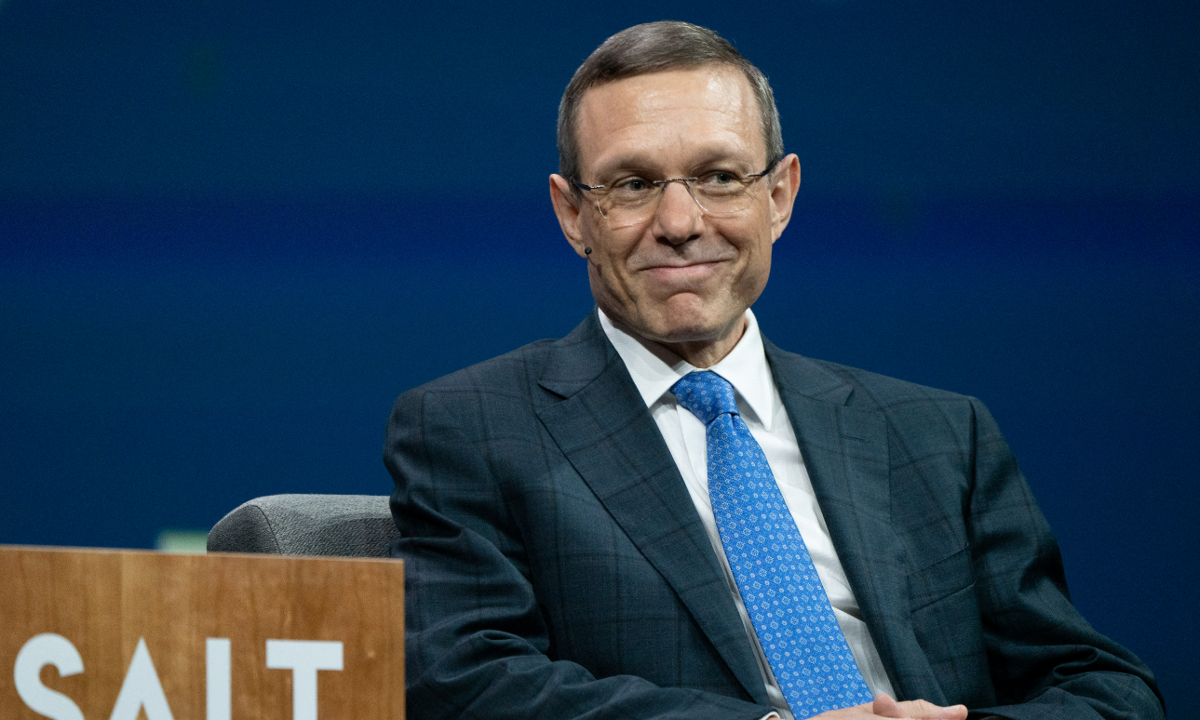
Harvard astronomer Avi Loeb was chosen last month by the White House to chair a new scientific review panel, the Avi Loeb UAP council, charged with examining already-declassified UAP materials and reporting findings to the UAP Governing Board. An ODNI official asked Loeb to form the group in early June, and he has since assembled a team of more than a dozen scientists to comb through previously released files.
“The U.S. government had me at hello,” Loeb told reporters. But he says a major hurdle remains: custodian agencies have not handed over many videos, images and sensor logs, citing national security reasons that limit what can be shared.
What the Avi Loeb UAP council will do
The council’s mandate is narrowly defined. It will review already-declassified items, assess what scientific evidence those items contain, and deliver findings and recommendations to the UAP Governing Board under the Office of the Director of National Intelligence (ODNI).
Loeb’s group will focus on materials released in four public batches in recent months, and on any additional declassified files the government makes available. The goal is to determine whether observed phenomena have ordinary explanations, foreign origins or — as Loeb has publicly raised — possibilities that cannot be explained as human-made.
The membership mixes astrophysicists and other specialists; Loeb has described it as a team of more than a dozen scientists drawn from multiple disciplines to provide independent, methodical analysis.
Why agencies are withholding materials
Custodian agencies — including branches tied to the Pentagon and national-intelligence sensors — have declined to turn over every requested item. Officials cite national security and the sensitivity of the sensors involved.
Loeb said the key issue is not the targets themselves but the sensors used to detect them. Many instruments that captured UAPs were operated for defense or intelligence purposes, and agencies are reluctant to reveal sensor characteristics that could disclose capabilities to adversaries.
That reluctance has slowed the council’s access to full datasets, including raw sensor logs and some high-resolution imagery that could be critical for rigorous scientific analysis.
What Loeb has requested — and what’s missing
Loeb asked the Pentagon and other agencies for roughly 50 videos, images and related documents tied to known UAP incidents. According to Loeb, those requests remain largely unfulfilled; some previously released batches are available publicly, but other items remain withheld by their custodians.
Where materials have been turned over, Loeb’s team will examine metadata, sensor-readout logs and multiple-spectrum imagery when available. Where data are missing, the council will note limitations and recommend whether additional declassification or redaction could permit more useful review.
How the council will analyze sightings
The review will follow standard scientific steps: cataloging items, validating timestamps and sensor sources, comparing multiple observation channels, and checking for mundane explanations. Loeb has stressed the need to consider ordinary causes like space debris, broken satellites and known atmospheric phenomena before drawing extraordinary conclusions.
The Galileo Project, founded by Loeb, provides part of the methodological backdrop: it emphasizes careful calibration, independent sensor records and reproducible analysis. The council will bring in specialists to vet claims, run simulations, and consider whether an object’s motion is consistent with gravitational and inertial forces.
Loeb said many phenomena could turn out to be mundane; for that reason, the council plans to prioritize cases with the most complete multi-sensor coverage.
A close look: the Apollo 12 photo case
One detailed example illustrates the limits of evidence and how federal review can change a record. Photos from the Apollo 12 mission were included in an earlier batch of declassified materials and described by some observers as showing five unidentified phenomena.
Federal authorities, after review, have concluded those blue flashes are most likely caused by cosmic rays striking the film or detector — a mundane explanation that illustrates how artifacts and sensor effects can masquerade as anomalies.
This case underscores why Loeb’s panel is focused on raw sensor data and metadata: without that context, images can be misread. The council intends to use similar close examinations to separate instrumentation effects from genuine unknowns.
What comes next
The council will continue cataloging available declassified materials and pressing custodian agencies for the 50 requested items. Findings will be reported to the UAP Governing Board, which oversees interagency coordination on these matters.
One practical aim is to recommend improved sensor strategies and acquisition practices so future detections can be analyzed more confidently without compromising national security. Loeb has said better sensors would help identify whether some reported orbs and fast-moving objects are foreign drones, natural phenomena or something else.
Timeline expectations are cautious: the council will publish interim assessments as cases are validated and will flag where missing data prevent firm conclusions.
FAQ
What is the goal of the Avi Loeb UAP council?
The council aims to review declassified UAP materials, apply scientific analysis to determine likely explanations, and report its findings and recommendations to the UAP Governing Board.
Why are agencies refusing to hand over videos and images?
Custodian agencies say many sensors used to collect material were operated for national security purposes. They worry that sharing raw sensor details could reveal capabilities to adversaries, so some items remain withheld or redacted.
Could any findings prove non human made craft?
Loeb has said that possibility is what motivates rigorous inquiry. The council will require robust, multi-sensor evidence before endorsing any extraordinary conclusion and will treat such claims cautiously and transparently.
Source: Fox News — Harvard astronomer tapped to lead White House UFO council. For official governance context on the UAP Governing Board and ODNI oversight, see the Office of the Director of National Intelligence: dni.gov.