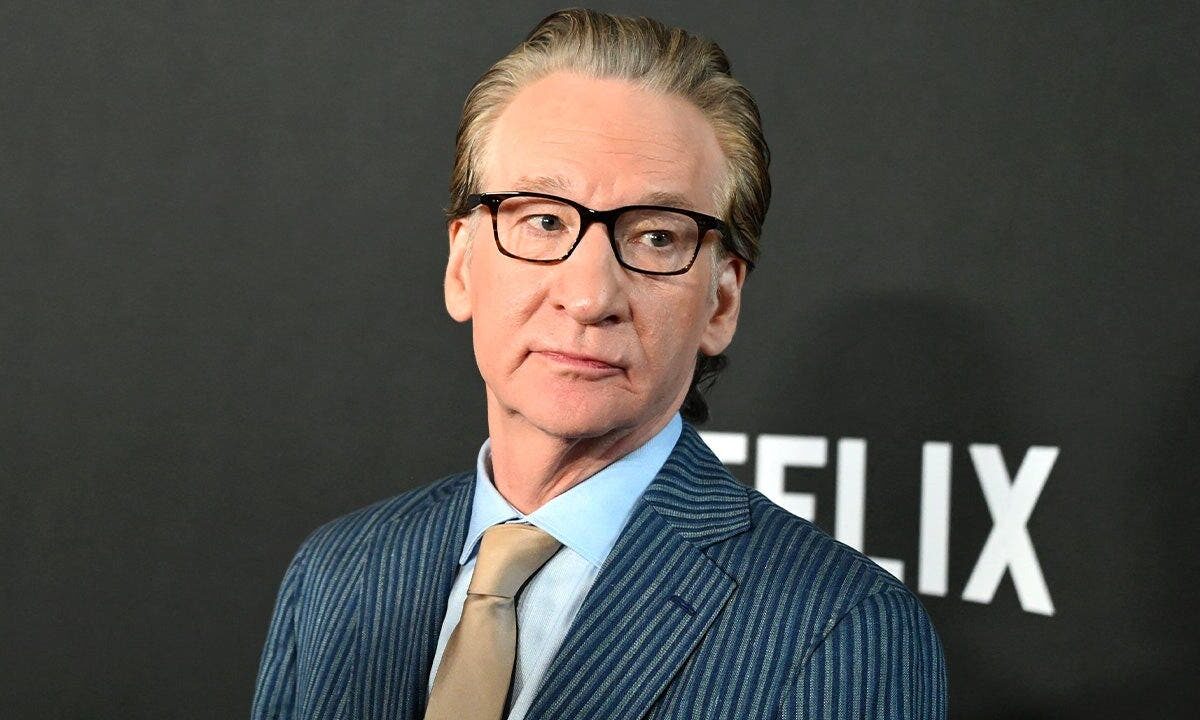
Bill Maher argued that some performers who were “canceled” should be allowed to return to mainstream stages, framing his comments around legal outcomes, time away from the spotlight and public forgiveness. Maher, who accepted the 27th annual Mark Twain Prize for American Humor at the Kennedy Center on June 28, defended inviting Louis C.K. and referenced other contentious figures while speaking about punishment and rehabilitation in public life.
Bill Maher defense and key quotes
In a conversation Maher gave to reporters after the ceremony and in interviews summarized by outlets, he said the public often reaches predetermined conclusions about controversial figures. “People just want to believe what they want to believe,” Maher said, a line he used to argue that the court of public opinion frequently overlooks legal results and elapsed time.
Maher framed the dilemma bluntly: “Either the law means something or it doesn’t,” he said, urging consistency between legal outcomes and the long-term professional consequences celebrities face. He used the phrase “show business jail” to describe prolonged exclusion from work or public platforms, and asked whether that exclusion should be considered a form of punishment already served.
Maher acknowledged the emotional weight of allegations and the legitimate concerns of survivors, saying those concerns deserve respect even as he questioned whether permanent professional exile is always the appropriate response. His remarks have been reported and summarized across multiple outlets; NPR carried a recap of his comments and line-by-line quotes in contemporaneous coverage (see NPR link below).
Mark Twain Prize ceremony and streaming details
The Kennedy Center event that honored Maher on June 28 featured a wide-ranging lineup of presenters and onstage appearances. Guests included Louis C.K., Woody Harrelson, Jay Leno, Whitney Cummings and others who delivered tributes, roasts and reminiscences. The ceremony was filmed at the Kennedy Center in Washington, D.C.
Organizers and media reports note the program is scheduled to stream on Netflix on July 21. That streaming window will bring the ceremony — and its guest list — to a much larger, global audience, prompting renewed scrutiny of who is given access to major platforms and how streaming distributors weigh reputational concerns.
Maher has said he personally invited Louis C.K. to appear; press coverage attributes that confirmation directly to Maher’s remarks. The Kennedy Center’s Mark Twain Prize is widely regarded as a high-profile recognition in American comedy and public commentary; the prize has often prompted discussion about legacy, influence and the boundaries of celebratory honors.
Context: past allegations and legal outcomes for named figures
To understand why the guest list and Maher’s defense drew attention, readers need a brief reminder of past reporting and legal outcomes involving the named figures.
In 2017 The New York Times published a report in which multiple women accused Louis C.K. of exposing himself and masturbating in their presence; the Times said Louis C.K. acknowledged the conduct reported. That reporting is widely cited in subsequent coverage of attempts to resume a public career (New York Times, 2017).
Kevin Spacey has faced a series of allegations over the years. Coverage of his U.K. criminal case reported that a jury reached a not-guilty verdict on the charges tried there in 2023; other related matters in the U.S. have at times been dropped or settled, according to reporting in major outlets (see BBC and other coverage summarized below).
Woody Allen’s situation involves long-standing allegations and counterstatements; major outlets have recounted decades of reporting, investigations and legal steps that leave a complicated public record. These summaries are provided as context drawn from prior reporting rather than as new findings.
Reactions and what could come next
Responses to Maher’s stance and the Kennedy Center program are likely to be mixed. Some industry figures and members of the public treat renewed invitations as a form of rehabilitation or recognition that time away and changing circumstances may warrant reconsideration. Others see platforming as premature or a failure to foreground victims’ experiences.
For a distributor like Netflix, the calculus includes potential subscriber reactions, advertiser and creator relationships, and wider brand considerations. Streaming the ceremony increases visibility of the guest list and will likely reignite debates about accountability, proportional punishment and what a pathway back into mainstream work should look like.
Practically, the consequence for individual performers varies: some who have been criticized or temporarily sidelined eventually return to high-profile work, while others remain largely absent from major outlets. Maher’s remarks and the ceremony’s lineup are likely to catalyze editorial commentary, social-media debate and potential business decisions by talent partners and platforms.
Source attribution and next steps for readers
This account synthesizes reporting from multiple outlets. Key sources include Fox News’ coverage of Maher’s remarks and the ceremony, The New York Times’ 2017 report on allegations against Louis C.K., contemporaneous reports on Kevin Spacey’s U.K. trial, and reporting and interview transcripts summarized by NPR. The ceremony’s streaming date is listed by Netflix and noted in press coverage.
For more detail, see reporting by Fox News on the event and Maher’s comments: Fox News — Bill Maher argues canceled stars like Louis C.K., Kevin Spacey should be let out of ‘show business jail’. For the original 2017 reporting on Louis C.K., see The New York Times: NYT — Louis C.K. story (2017). For broader context about legal outcomes and trial coverage, consult major outlets including NPR (NPR), the BBC (BBC) and Netflix’s press materials (Netflix Media Center).
What comes next will depend on continued public reaction, statements from the performers involved, and distribution choices by Netflix and other platforms. Readers interested in the full transcripts or original interviews should consult the linked outlets for primary reporting and source material.