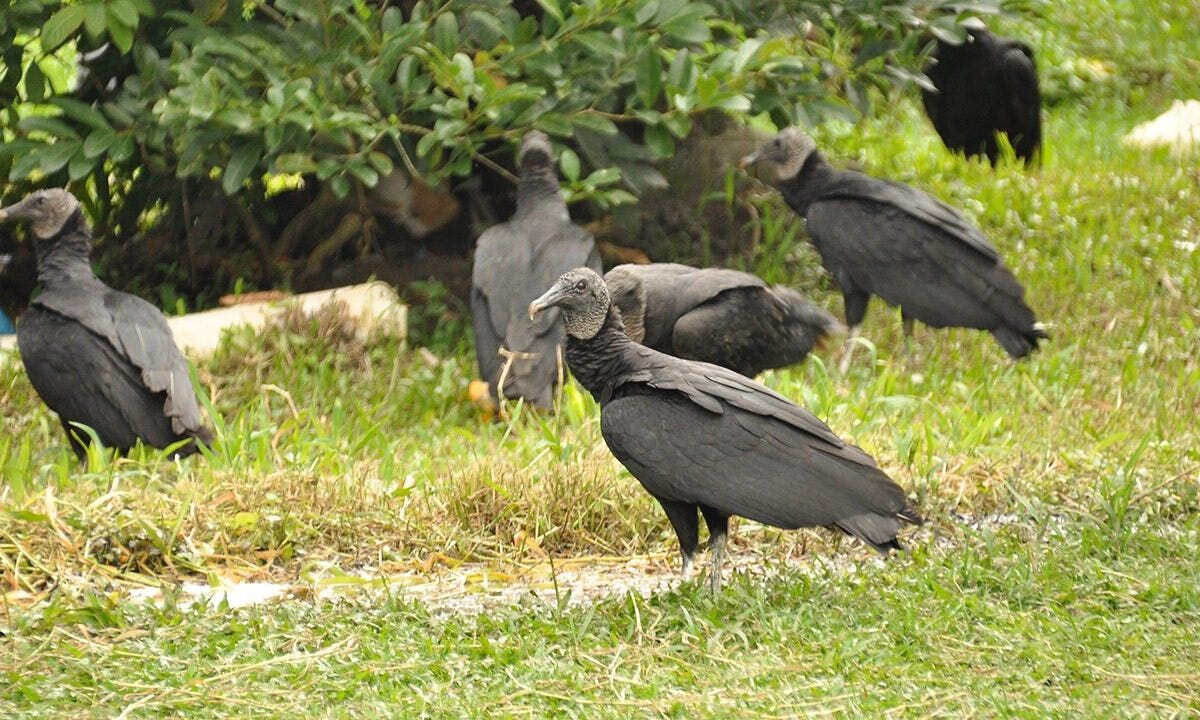
HILLSBOROUGH, N.C. — Neighbors in Hillsborough have complained of foul-smelling droppings coating rooftops, sidewalks and cars as groups of black vultures gather in residential trees, according to local reports and national coverage. The unusual frequency and concentration of the birds has left some homeowners worried about surface damage and the nuisance of persistent flocks.
The presence of black vultures in yards and along streets has prompted calls for practical steps to limit attraction and reduce the effects of their droppings. Local accounts, reported by The Wall Street Journal and summarized in Fox News coverage, say the problem has moved beyond isolated sightings into repeated, neighborhood-level disruptions.
What happened in Hillsborough
Hillsborough residents tell a familiar story: piles of droppings on vehicles and sidewalks, noticeable smells and birds roosting in the pine trees behind homes. The Wall Street Journal documented multiple complaints, and Fox News reported on that coverage as the issue drew broader attention.
Some homeowners describe waking to find cars and porches soiled and, in a handful of accounts, small areas of paint or trim showing accelerated wear where droppings have accumulated. While not every individual claim has been independently verified, the volume of complaints and online discussion point to a sustained local nuisance in parts of town.
Why black vultures are spreading
Experts point to several likely drivers behind the northward movement and rising numbers of black vultures. The University of Georgia’s Kohl Wildlife Lab has tracked range shifts in recent years, and researchers tie that change to milder winters and abundant food sources in human-dominated areas.
Bryan Watts, director of the Center for Conservation Biology at William & Mary, told Fox News Digital that feeding vultures can create a strong attachment to a site. “Feeding vultures can attract a following of hundreds — and more importantly, can create a bond to the site that is very hard to break,” he said.
Watts and other researchers note that vultures are drawn to landfills, community dumpsters and boat ramps where food is easily found. Once they become fixed to a site, they may spend long periods loitering nearby, increasing the chance of property impacts.
Damage and risks to property and pets
Homeowners and wildlife experts cite a mix of nuisance and damage concerns. Vulture droppings can be foul-smelling and, over time, may harm paint and outdoor surfaces if not cleaned promptly. Experts have also warned that black vultures will peck at and pull nonfood items such as windshield wipers, car trim and vulnerable roofing materials.
There are reports online and in local accounts suggesting vultures have behaved aggressively toward pets or livestock. These claims are treated in reporting as reported incidents and have not been independently verified in every case. Experts stress caution and recommend separating animals from large congregations of birds until more is known.
What residents can do now
Practical steps can reduce attraction and limit damage. Experts including Bryan Watts urge people not to feed vultures or other wildlife, and to secure possible food sources. That means keeping trash in closed, wildlife-proof containers and avoiding leaving pet food outdoors overnight.
Other useful measures include removing or shielding favored roosting spots where feasible, trimming lower branches that encourage loafing, and regularly rinsing droppings off vehicles and surfaces to prevent long-term staining. For delicate finishes, consult a professional cleaner to avoid damaging paint while removing droppings.
Local municipalities and waste services can help by ensuring dumpsters and public bins are closed and regularly maintained. In many cases, reducing easy food access is the simplest and most effective first step.
What comes next for neighborhoods seeing flocks
Wildlife professionals say the situation may persist in areas with mild winters and plentiful food. Monitoring by labs like the Kohl Wildlife Lab can help track range changes, but local responses are often the first line of defense.
When problems escalate, towns sometimes consult wildlife biologists or animal control to explore nonlethal deterrents and habitat adjustments. Removing attractants usually reduces visits over time, though returning birds are possible if conditions remain favorable.
Frequently asked questions
Are black vultures dangerous to people?
Black vultures generally avoid people and are not known to seek out humans. Experts say they can act aggressively around food or if they have become habituated to human presence. Reported aggressive incidents should be handled cautiously and reported to local authorities.
How can I stop vultures from nesting on my property?
Do not feed vultures, secure trash and remove accessible food sources. Trimming trees to reduce comfortable roosting perches and using nonlethal deterrents recommended by wildlife professionals can help discourage nesting and loafing.
Do vultures attack livestock or pets?
There are reported allegations of vultures harming small animals or livestock, but such claims are often anecdotal and not consistently verified. Owners should supervise vulnerable animals, especially at dawn and dusk when birds are active, and keep them in protected enclosures when possible.
Expert reaction and sources
Wildlife biologists caution that vultures play an important ecological role as scavengers even as their expanding presence creates local problems. Bryan Watts emphasized that stopping intentional feeding and reducing easy food access are key to preventing large gatherings.
The Kohl Wildlife Lab has documented northward range changes among black vultures and links those shifts to warmer winters and the proliferation of easy human-related food sources. That lab-level monitoring helps explain why towns like Hillsborough are seeing more frequent visits.
This article is based on reporting by Fox News and The Wall Street Journal. Fox News Digital reached out to the town of Hillsborough for comment. Original reporting: Fox News and coverage referenced from The Wall Street Journal.
For local residents, starting with simple, nonconfrontational steps — secure trash, stop feeding wildlife and promptly clean droppings — can reduce the nuisance while wildlife experts continue to study how environmental shifts affect bird distribution.