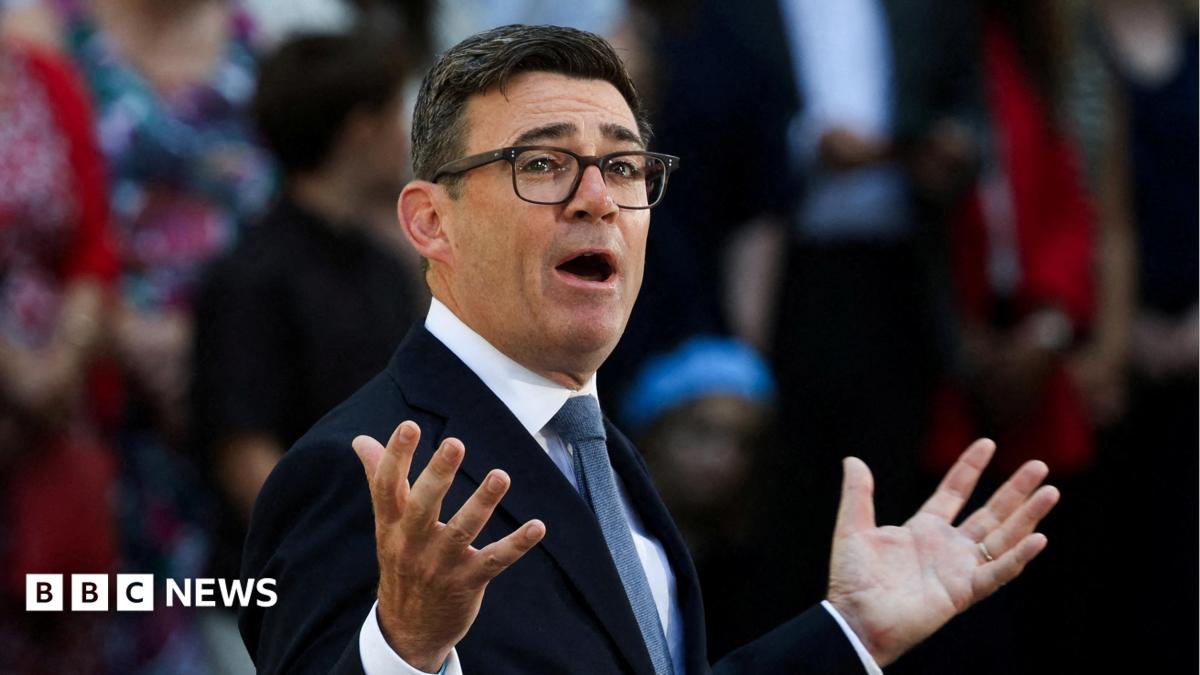
Burnham has opened his premiership by vowing to end rough sleeping, making the issue one of the headline commitments of his early statements. He positioned the pledge as both a moral priority and a demonstration of an administration focused on visible social problems in towns and cities.
The announcement arrived alongside a short list of domestic priorities intended to set political direction rather than to provide a finished policy blueprint. This piece explains what Burnham announced, how the rough sleeping pledge was framed, what those early choices reveal about governing priorities and what to watch next.
What Burnham has announced
In his opening statements, Burnham emphasised a vow to end rough sleeping and highlighted a small set of other early priorities aimed at social policy and local services. Reporting so far frames these remarks as directional signalling rather than a full legislative programme.
Details such as specific spending commitments, statutory changes or a timetable for delivery were not included in the initial statements. Instead, the announcements appear designed to define the administration’s headline concerns and to start a process of policy development across departments and with local partners.
How the rough sleeping pledge was framed
Burnham framed the pledge to end rough sleeping as an urgent test of government competence and compassion. He presented it as both an immediate political priority and the start of a longer-term focus on housing and support pathways.
The language used combined an appeal to swift action with an acknowledgement that systemic change is required. Public statements emphasised intent and direction but stopped short of listing the policy instruments that would be used, leaving open whether the emphasis will be on new central funding, reallocations, or strengthened local partnerships.
What his early policy choices reveal
Leader-level priority-setting matters because it signals how a government intends to balance attention between headline social issues and fiscal or administrative constraints. By placing rough sleeping at the front of his agenda, Burnham signals an administration likely to prioritise visible, people-facing problems that are tangible to voters.
That prioritisation suggests an approach combining social support with practical delivery through local authorities and third-sector organisations. It also implies an appetite for quick, demonstrable progress — whether through pilot schemes, intensified outreach, or focusing resources where they can show early results.
At the same time, the lack of technical detail so far points to a period of policy design. Analysts will look for whether subsequent decisions emphasise new spending, statutory duties, or coordination mechanisms such as cross-departmental taskforces that bring health, housing and local government together.
Background: rough sleeping in recent policy debate
Rough sleeping has been a persistent policy challenge, with previous efforts combining emergency shelter provision, outreach teams and housing-led initiatives. Approaches used in recent years have included targeted national programmes, local authority interventions and support delivered by charities and outreach services.
Campaign groups and housing charities have long called for joined-up national strategies that pair housing supply with health and social care support. Those organisations will be important partners if Burnham’s pledge is to move from announcement to implementation.
What comes next
In the short term, expect a predictable sequence: publication of more detailed plans or discussion documents, key ministerial or special adviser appointments, and signals on where funding decisions will fall. Initial policy papers or departmental statements could appear within weeks as teams translate the pledge into operational priorities.
Watch for three tangible early moves: the appointment of cross-departmental leads or a taskforce to coordinate action; announcements of pilot programmes in selected areas; and clearer indications of funding pathways — whether through reallocation, new spending rounds, or matched funding for local schemes.
Implementation timelines are likely to vary. Administrative and coordination steps can move quickly, but substantive changes such as expanded housing supply, statutory reform or measurable reductions in rough sleeping typically occur over months to years and will depend on budget decisions and local delivery capacity.
Frequently asked questions
What did Burnham actually announce?
He vowed to end rough sleeping and set out a handful of early domestic priorities intended to define his government’s initial direction. The announcements were directional and did not include detailed funding commitments or a full legislative plan.
Is the vow to end rough sleeping realistic?
The pledge is an ambitious target. Realising it will require detailed design, sustained funding, and close cooperation with local authorities, housing providers and charities. The announcement sets intent; delivery depends on the details to follow.
How soon will his policies take effect?
Immediate effects will be administrative: appointments, statements of intent and coordination work. Substantive policy changes — funding allocations, pilots or statutory reforms — usually take weeks to months to appear and longer to show measurable outcomes.
Source: BBC News – “Burnham’s policy choices reveal what kind of PM he wants to be”; additional context from housing and homelessness organisations: Crisis and Shelter.
Further reading: https://www.bbc.co.uk/news/articles/c3r0x5nzg0eo | https://www.crisis.org.uk/ending-homelessness/rough-sleeping/ | https://england.shelter.org.uk/housing_advice/homelessness/rough_sleeping