Quick summary and claim: Burnham’s casual style is central to his political brand, but when Burnham becomes PM it will be harder to maintain that wardrobe consistently; expect a pragmatic recalibration rather than a full reversal.
Burnham has cultivated a relaxed, approachable look that reinforces a message of accessibility and practical focus. That visual shorthand is politically useful, but the prime ministership brings new routines, rituals and public expectations that narrow the margin for informality. This analysis explains why the wardrobe matters, what No 10 routines change daily optics, how precedents shape expectations, and the concrete choices Burnham would likely face if he moves into Downing Street.
What Burnham’s style says about his brand
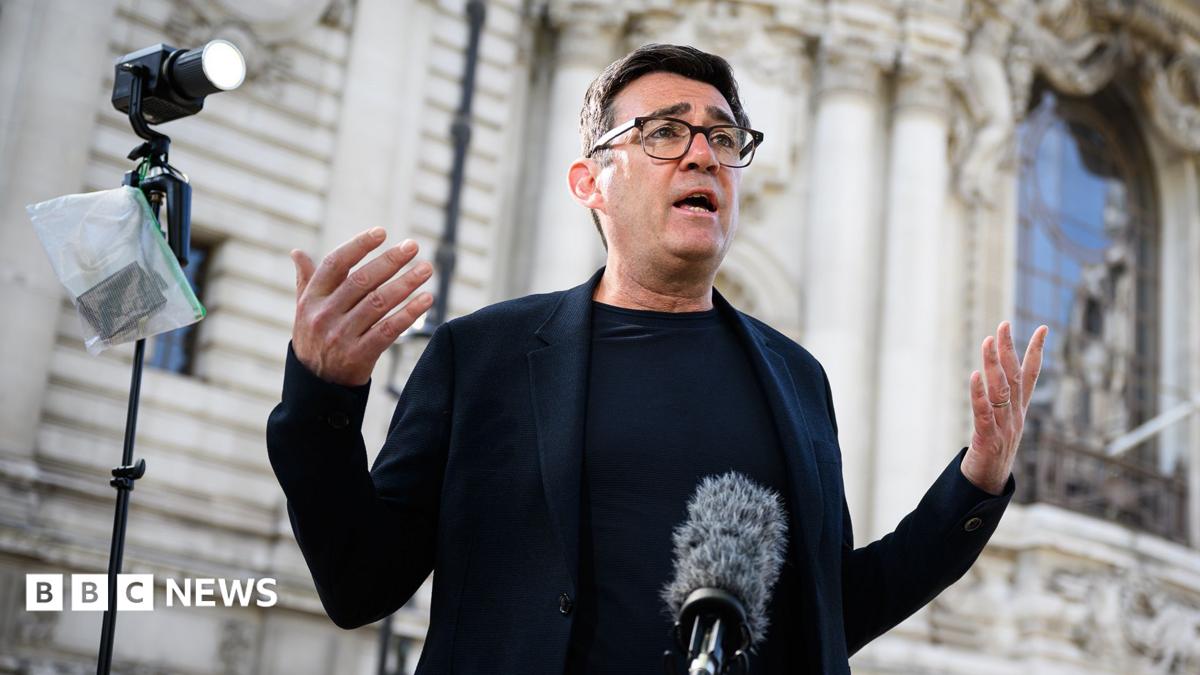
Burnham’s casual style functions as a sustained piece of political communication: unstructured jackets, open collars and a less buttoned-up demeanour signal approachability, ordinary‑person credentials and a focus on practical issues rather than Westminster ceremony. A consistent wardrobe becomes part of a politician’s shorthand, shaping how the public and media interpret gestures and messaging.
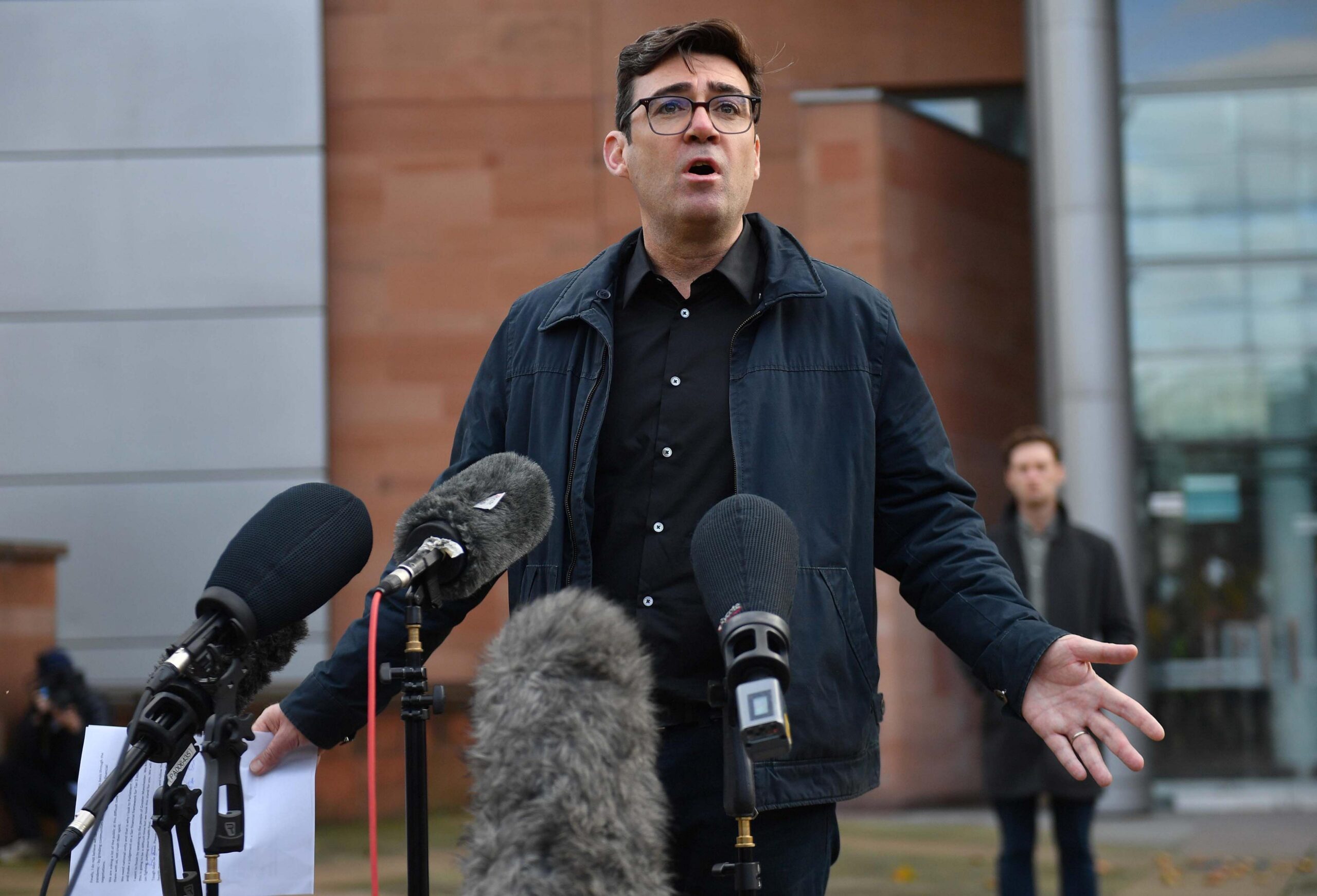
That wardrobe works when it aligns with tone and policy. In street-level campaigning, community visits or informal media spots, a relaxed look can cut through perceptions of distance. But because it is an intentional signal, it also carries risk: the same clothes can be read as unprepared if they sit at odds with the demands of the office or the seriousness of a moment.
How life at No 10 makes certain looks harder
No 10 is simultaneously a workplace, a diplomatic hub and a global stage. Daily briefings, surprise press lines, bilateral meetings with foreign leaders and state ceremonial duties compress the available wardrobe choices. Photographers and broadcasters capture moments that, outside Downing Street, might be afforded a charitable reading; under constant scrutiny those moments become material for narratives about competence and gravitas.
Protocol and practicality also play a role. International travel often includes formal receptions, and state occasions adhere to a set of expectations about tailoring and decorum. Staff and advisers typically coordinate optics carefully: consistent, conventionally tailored pieces reduce the risk of a visual misstep in a high-stakes setting.
Finally, security routines and rapid schedule shifts mean less time for wardrobe improvisation. A prime minister needs a versatile closet that can be relied on with little notice, which pushes towards neutral, formal staples that photograph predictably and meet diplomatic conventions.
Comparisons and precedents: style vs office
History and modern practice show a range of outcomes when a private style meets public office. Many politicians retain signature touches while adopting more conventional items for formal occasions; others shift their image more noticeably to signal steadiness in office. The political calculus behind these choices matters: a subtle evolution can read as responsible stewardship, whereas an abrupt change risks alienating supporters who valued the original persona.
Practical precedents offer useful lessons even without identical matches. For instance, leaders often keep elements of their informal identity for constituency and community work while reserving tailored suits and more neutral looks for state visits and televised addresses. That selective preservation allows the leader to maintain authenticity in certain contexts while meeting institutional expectations in others.
Strategically, the balance depends on timing and messaging. Early in a premiership, a measured increase in formality can signal competence; later, strategically staged informal appearances can reassert the leader’s original brand without undermining the overall image. Media interpretation also matters: opponents and commentators will read inconsistency as either adaptability or opportunism, so coherence in when and why casual looks appear is crucial.
If Burnham becomes PM: likely style trade-offs
When Burnham becomes PM, the most plausible path is a pragmatic recalibration rather than a wholesale reinvention. That means a tiered wardrobe strategy: formal, well-tailored suits and neutral ensembles for state and parliamentary occasions; recognisably casual items retained for community visits, mutli-hour constituency walkabouts and campaign-style town halls where authenticity is paramount.
Concrete trade-offs will include sharper tailoring for televised addresses, more frequent use of ties in formal settings and a rotation plan that ensures he is never visibly underdressed for a diplomatic encounter. Staff will likely pre-clear optics for days with mixed schedules so that an afternoon community visit does not follow a morning state engagement without an outfit change. These operational details matter because public interpretation is often driven by the most visible moments.
Burnham will also face reputational choices: keep casual cues that reinforce his brand at the risk of occasional criticism, or reduce informality to avoid any perception of unseriousness. A middle road — deliberate, context-driven appearances that keep signature elements in selected venues — preserves the political utility of the style while respecting the constraints of office.
Key takeaways
- Burnham’s casual style is central to his political brand but will face practical and ceremonial constraints at No 10.
- No 10’s schedule, protocol and constant media scrutiny make sustained informality harder when PM.
- Past practice suggests most leaders blend signature elements with more formal staples rather than fully abandoning either side.
- If Burnham becomes PM, expect a pragmatic, context-driven wardrobe strategy that balances authenticity with the demands of office.
This analysis draws on reporting from the BBC and is a speculative assessment of how presentation choices might change if Burnham assumes the premiership.
Source attribution: reporting and context referenced from BBC News — Can Burnham’s casual style survive contact with No 10? (BBC). The forecast here is interpretive and speculative, not a prediction of confirmed outcomes.