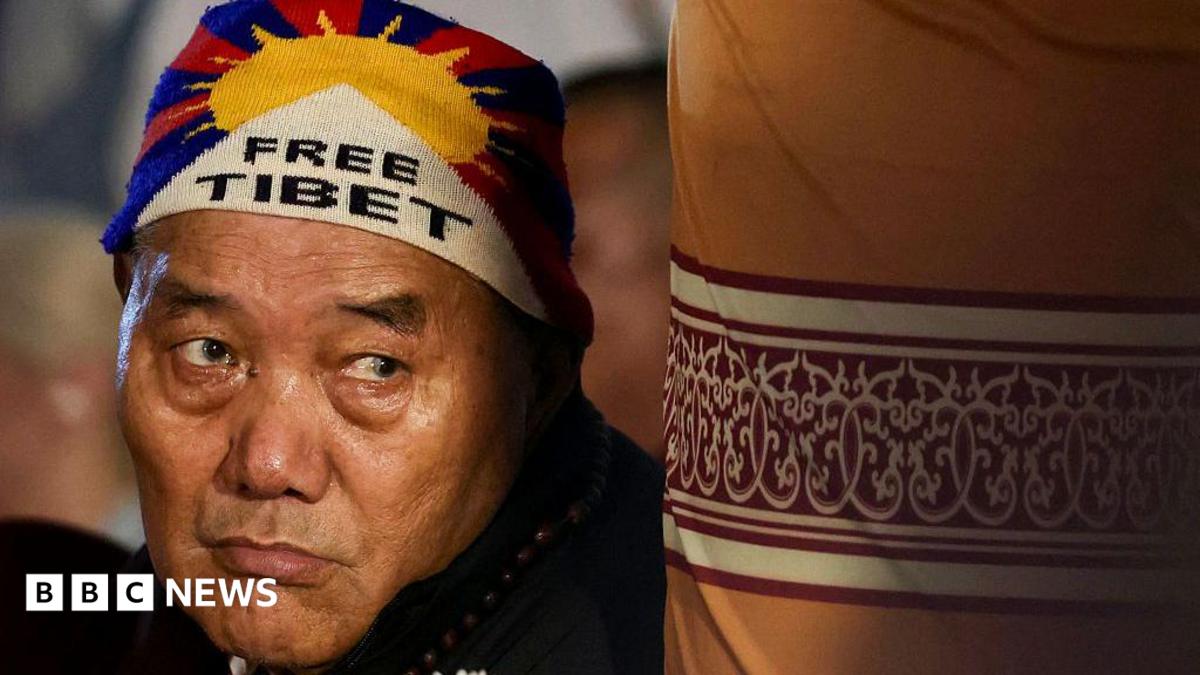
The China ethnic unity law has prompted alarm after BBC reporting that rights groups fear it could give Beijing legal reach over critics abroad. The BBC story, published on BBC News – Top Stories, frames these concerns as claims by rights groups and does not present them as independently verified facts.
This explainer summarises what the BBC reported, the wording that is causing concern, why rights groups are alarmed, the legal and practical limits on any extraterritorial reach, and what to watch next as more documents and analyses appear.
What BBC reported
The BBC reports that Chinese authorities are presenting a new China ethnic unity law as a measure to promote ethnic unity. Rights groups cited in the BBC story told reporters they fear some phrasing could be read to reach activities and people outside China.

The BBC article notes important gaps in public reporting. At the time of publication, the full, independently verified text or a complete official translation of the law was not provided in the BBC coverage. The story also does not document verified cases of the law being used overseas.
What the law reportedly says
The BBC describes the law as including broad language about safeguarding national unity and opposing so-called separatism and activities that threaten unity. That kind of broad wording is the core of the concern relayed to the BBC by rights groups.
Because the BBC did not publish a full official translation in its report, questions remain about the precise definitions, exceptions, and legal mechanisms the text includes. Those details matter for any legal interpretation and for assessing possible reach.
Why rights groups are alarmed
Rights groups told the BBC they fear the law could be used to justify action against critics abroad. They pointed to the combination of sweeping language and a pattern, in other contexts, of pressure that crosses borders as reasons for alarm.
Those groups described the risk mainly as legal and political. Broad statutes can be cited to support extradition requests, criminal charges, or requests for cooperation with investigations. They can also be used to legitimise non-judicial pressure, such as targeting diaspora communities or pressuring third parties to limit speech.
The BBC coverage treats these descriptions as expressed concerns rather than as independently confirmed incidents under the new law.
Legal reach and practical limits
Claims that a law has extraterritorial reach should be split into two questions: does the law assert authority beyond national borders on paper, and can authorities enforce it abroad in practice?
States commonly draft laws that declare extraterritorial jurisdiction. That does not automatically mean foreign courts will enforce those claims. Practical enforcement typically depends on cooperation from other governments, legal agreements such as mutual legal assistance treaties, and the willingness of foreign courts to accept evidence or charges.
The BBC report and rights groups cited in it underline those limits. Even if China’s law asserts broad jurisdiction, enforcement overseas often faces obstacles: foreign governments may decline cooperation, courts may reject foreign legal claims, and diplomatic or legal pushback can follow any aggressive cross-border action.
What comes next and how to follow updates
Key steps to watch are publication of the final law text, official translations, legal commentary from independent experts, and any documented use of the law in cross-border cases. The BBC and other outlets are likely to run follow-up reporting as those items emerge.
Rights groups and legal analysts will be monitoring for signs of requests to other states, extradition attempts, charges against people abroad, or non-judicial pressure that relies on the law’s wording. Until such evidence appears, concerns reported remain allegations and risk assessments rather than confirmed enforcement actions.
Organisations and individuals who consider themselves at risk often seek legal advice, carry out security reviews, and monitor reputable news and human rights reporting for verified updates. The BBC story itself is the primary cited source for the claims summarised here.
Source attribution
Reporting referenced: BBC News – Top Stories. Source: https://www.bbc.co.uk/news/articles/cx23dwx0232o?at_medium=RSS&at_campaign=rss.
Key takeaways
- The China ethnic unity law is reported by the BBC as prompting fears about possible reach beyond China.
- Rights groups described the risk; the BBC report does not include a full verified text or confirmed examples of extraterritorial enforcement.
- Legal claims on paper and the ability to enforce them overseas are different; enforcement usually needs cooperation from other states.