Rep. Pramila Jayapal said Democratic infighting is growing after she criticized colleagues for what she called a “disrespectful” reception of recent left-leaning primary winners. Jayapal, who serves as chair emerita of the Congressional Progressive Caucus, told CNN that dismissive comments aimed at insurgent winners undermine efforts to build durable coalitions and risk turning off the voters who backed those candidates.
The exchange landed as several high-profile primaries produced wins for candidates identified with progressive or democratic socialist movements — outcomes that have intensified debates inside the party about messaging, coalition-building and who belongs in the Democratic “big tent.” Jayapal framed the question less as a test of ideology than as a debate over how the party treats people who mobilize and vote for change.
Democratic infighting
Jayapal’s public rebuke put Democratic infighting squarely into the mainstream of the conversation: is the party making room for insurgent newcomers who defeated established figures, or are some leaders treating those voters and their choices as illegitimate? Jayapal told CNN she was reacting to what she described as a “disrespectful welcome” for successful progressive nominees and argued that such treatment risks alienating communities who have recently reengaged at the ballot box.
Primary victories shifting the debate
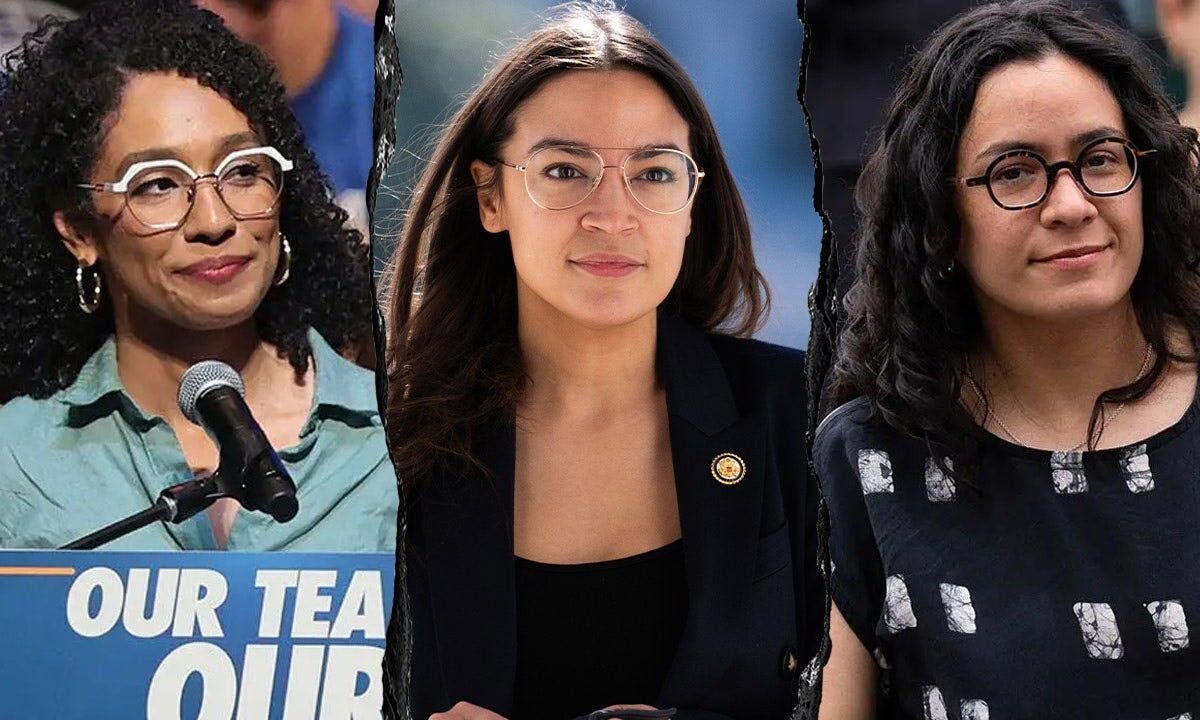
Several primaries this cycle offered tangible examples of the shift fueling the debate. Candidates including Brad Lander, Claire Valdez and Darializa Avila Chevalier won nominations in contests that drew attention because they were connected to organizers and elected officials aligned with New York City progressive networks. Those wins have been cited by advocates as evidence that candidates with left-leaning platforms can organize effectively and prevail in intra-party contests.
Coverage of these races has described them as part of a broader pattern in which progressive groups and local organizers are translating grassroots momentum into primary victories. Jayapal told CNN those outcomes reflect voters who want new approaches and energized ground games, not merely ideological purity. For progressives, successful primaries are both a validation of organizing strategy and a prompt to press for more influence in party decision-making.
A campaign-stage photograph from one of the nominee nights captured supporters celebrating together, a visual reminder that winning at the primary level often depends on volunteer networks, small-dollar fundraising and targeted turnout efforts — factors progressives say deserve respect as the party considers its future direction.
Moderate pushback and claims of performative politics
Not everyone inside the party endorses that view. Moderates, including Pennsylvania Gov. Josh Shapiro and other centrist officials and strategists, have pushed back against some insurgent tactics and rhetoric, arguing that certain approaches risk being “performative politics” that do not translate to general-election success in swing districts and states. Those critiques, frequently repeated in news reports, raise questions about electability and message discipline.
Jayapal rejected the judgment that successful progressive campaigns are merely performative, urging colleagues to treat primary voters respectfully. The clash between moderate critiques and progressive defenses has hardened into a broader conversation about whether the Democratic Party should prioritize wide tent coalition-building or lean into more activist-driven policy agendas that have energized younger and first-time voters.
What this means for the Democratic Party
The practical implications are immediate and strategic. Party leaders and funders must decide where to allocate resources, which candidates to endorse, and how to reconcile competing visions for winning nationally. Jayapal emphasized the big-tent argument: treating the party as a space where different approaches can coexist rather than elevating one pathway as the only route to victory.
Institutional players like the Congressional Progressive Caucus and outside organizations such as the Democratic Socialists of America (DSA) have bolstered organizing in key districts, pressing for policies and candidates that prioritize mobilization over caution. Progressives say those investments have re-engaged voters who had been disengaged, while moderates counter that broad-based appeal and targeted pragmatism will be necessary in swing states and competitive suburban districts.
Fundraising patterns, endorsement battles and coordination between national and state-level efforts will all play a role in how this debate resolves. If leaders attempt to marginalize insurgent winners, the risk is a long-term fracture in activist networks; if progressives push too aggressively in districts where centrists say the math favors moderation, the party could face challenges in general-election battlegrounds.
What comes next
The true test will be upcoming general-election cycles and a slate of future primaries. Observers will watch whether primary wins by progressive-aligned candidates translate into sustained influence in party decision-making and whether those candidates can win in general elections in swing districts and states. Both sides are likely to jockey for narrative control: moderates arguing for electability-focused strategies, and progressives pointing to turnout gains and grassroots power.
Key things to watch include coordination between national committees and local organizers in swing states, the distribution of endorsements and funding ahead of competitive primaries, and how national leaders publicly respond to intra-party criticism. Jayapal told CNN that acknowledging shifting voter preferences and treating new winners with respect are essential steps if the party wants to avoid self-inflicted wounds.
For now, Democratic infighting over strategy and identity appears set to persist through the next rounds of primaries and into the 2026 cycle. Candidates, donors, and organizers will weigh whether to double down on established approaches or to embrace insurgent tactics that recently delivered results — and the choices they make will help shape the broader contours of Democratic politics in the years ahead.
Source: Fox News. Jayapal quotes and on-the-record remarks cited to CNN in reporting referenced above.