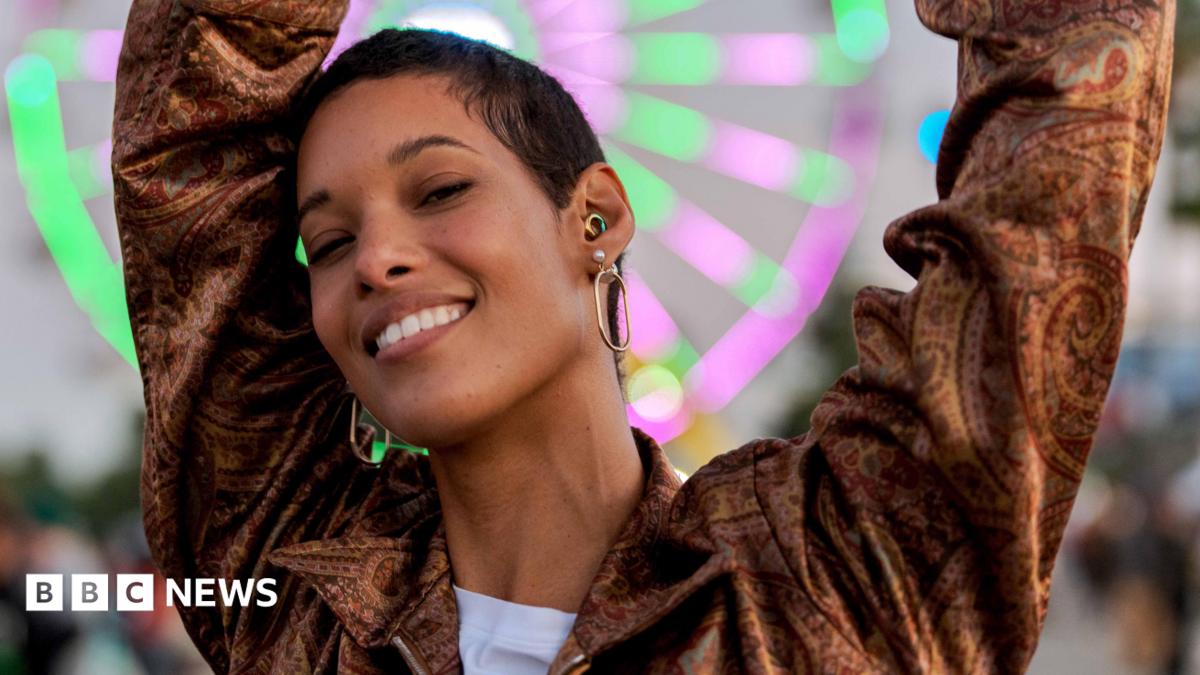
Quick summary: BBC News notes rising discussion of ear plugs at music festivals — ear plugs can reduce loud sound while preserving the live-music experience. Packing a pair of ear plugs has moved from optional to routine for many festival-goers who want to enjoy performances without risking hearing discomfort.
Why ear plugs matter at music festivals
Music festivals expose attendees to loud, sustained sound from stages, PA systems and crowd noise. Ear plugs reduce overall loudness and lower the chance of short-term ringing (tinnitus) or longer-term hearing damage while still letting you enjoy the event.
BBC News has reported rising conversation around ear plugs at festivals, with more attendees including them on packing lists and some events selling them on site. That trend reflects growing awareness that hearing protection is a practical festival accessory, not just medical equipment.
How to choose the right ear plugs
Not all ear plugs are created equal. For festival use, the main choices are foam disposables, silicone (molded or roll-down) and filtered ear plugs designed for music. Each has trade-offs in protection level, comfort and sound quality.
Foam plugs: Inexpensive and easy to source, foam plugs compress for insertion and expand to seal the ear canal. They provide relatively high attenuation and are good when you need strong reduction of noise (for example, near main stages). Downsides: they can muffle music detail and are typically single-use or limited-reuse, so factor replacements into your packing.
Silicone plugs: Molded or roll-down silicone is softer against the ear and often more comfortable for long wear. They give moderate protection and can be reused several times if cleaned properly. Fit varies by ear shape, so try a pair before a long day on your feet; comfort matters when you’re dancing or wearing them for hours.
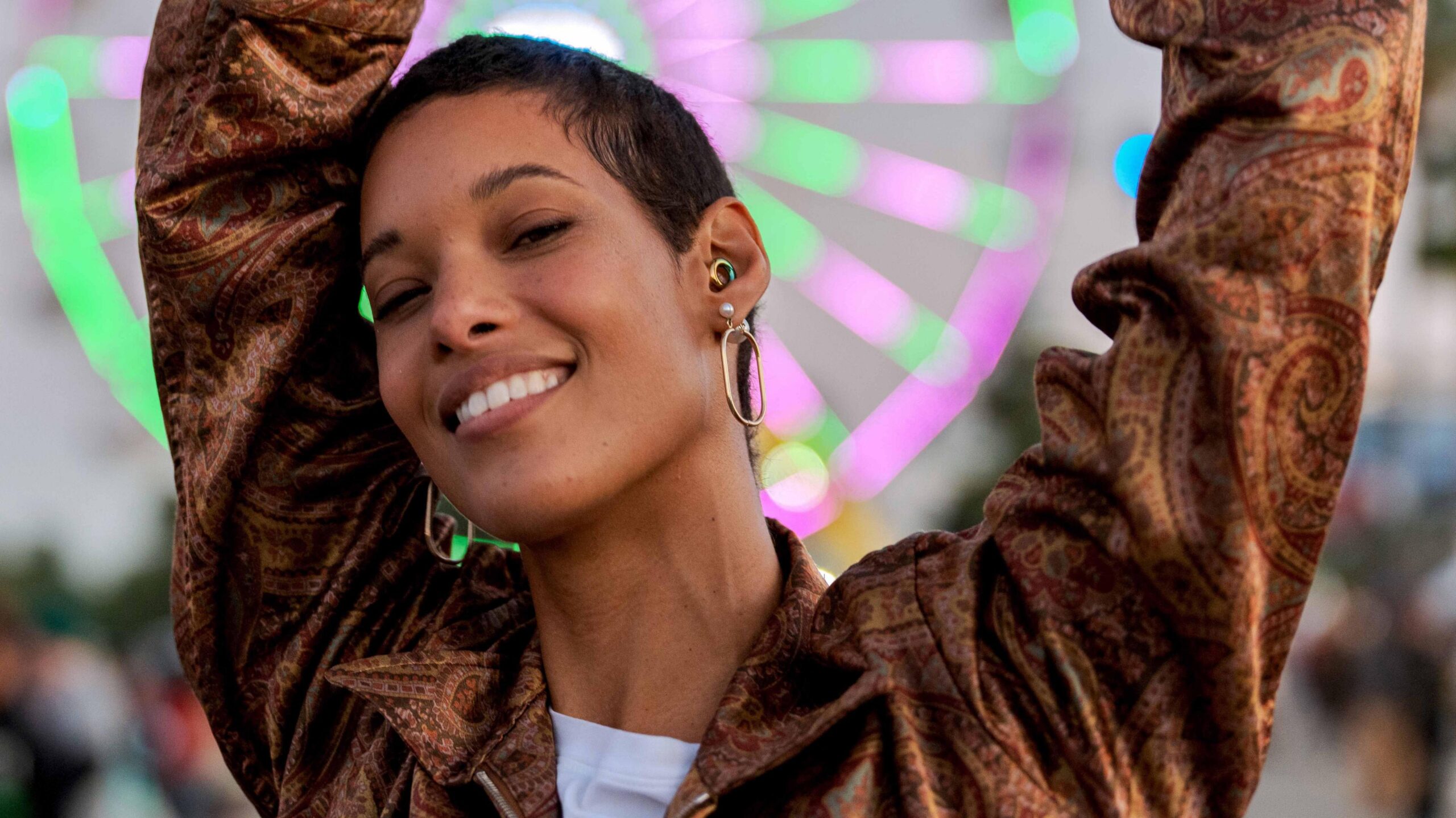
Filtered (music) ear plugs: Built specifically for live events, filtered plugs use small acoustic filters to reduce volume evenly across frequencies. That keeps music clarity and balance while lowering overall loudness, so singers and instruments stay recognisable. They’re a popular practical recommendation for festival-goers who want fidelity without excess volume. They come in disposable and reusable formats and often include a carry case.
When choosing, consider these points: comfort for hours of wear, reusability (and how easy they are to clean), how much they change sound quality, and visible size or discreteness. Look for packaging that lists attenuation or a rating so you can judge whether the level suits large outdoor stages or quieter tent sets.
How to use and care for ear plugs at a festival
Fit is crucial. For foam plugs, roll them into a tight cylinder before inserting; allow them to expand to form a seal. For silicone and filtered plugs, push gently until they sit snugly without pain. If a plug hurts or slips out, try a different size or shape.
Insert plugs before you reach the loudest area — it’s easier to protect your ears proactively than to wait until sound is uncomfortable. Take short breaks away from loud stages to let your ears recover, and remove plugs briefly during quiet periods if needed.
Cleaning and hygiene: reusable silicone and filtered plugs should be wiped with a mild, alcohol-free cleaner or washed in soapy water and fully dried before storage. Keep them in a small protective case to avoid dirt and moisture from festival grounds. Disposable foam plugs are convenient for one-day use; discard them after they become soiled or lose elasticity.
Safety notes: avoid inserting plugs into wet or infected ears, don’t force deep insertion, and stop using any plug that causes pain. If you have existing ear conditions or recent ear surgery, check with a healthcare professional before using in-ear protection.
Where to buy and a quick packing checklist
Ear plugs for festivals are widely available: pharmacies, outdoor and camping stores, specialist hearing-protection brands and many online retailers sell foam, silicone and filtered options. On-site vendors sometimes offer basic pairs at larger events.
Price bands: basic foam pairs are the cheapest and fine as backups; reusable silicone plugs are mid-range; branded music/filtered plugs tend to cost more but often include a case and better sound fidelity. Consider buying a mid-range reusable pair plus inexpensive foam backups for flexibility.
Packing checklist for music festivals:
- Primary reusable pair (filtered or comfortable silicone)
- Backup disposable foam pair
- Small cleaning cloth or mild cleaner for reusable plugs
- Protective carry case or resealable bag
Frequently asked questions
Do ear plugs reduce sound enough at festivals?
Yes—properly fitted ear plugs lower loudness and reduce the risk of temporary or long-term hearing effects. The amount of reduction depends on type and fit, so follow insertion instructions and choose attenuation appropriate to stage size and proximity.
Which type of ear plugs is best for live music?
Filtered or music ear plugs are often best for live music because they reduce overall volume while keeping tonal balance and clarity. Use foam plugs when you need stronger quieting, for example if you’ll be very close to large PA systems.
Can you reuse ear plugs safely?
Reusable silicone and filtered plugs are designed to be cleaned and reused; replace them if damaged or persistently dirty. Foam plugs are usually single-use or limited-reuse and should be replaced when they lose shape or become soiled.
Source and further reading
Reporting on the trend that ear plugs are becoming more common at music festivals appeared in BBC News. Read the BBC article for additional context: https://www.bbc.co.uk/news/articles/c87288g4zrgo?at_medium=RSS&at_campaign=rss
Practical takeaway: bringing a comfortable reusable pair plus a cheap foam backup covers most festival situations and helps you enjoy the music while protecting your hearing.