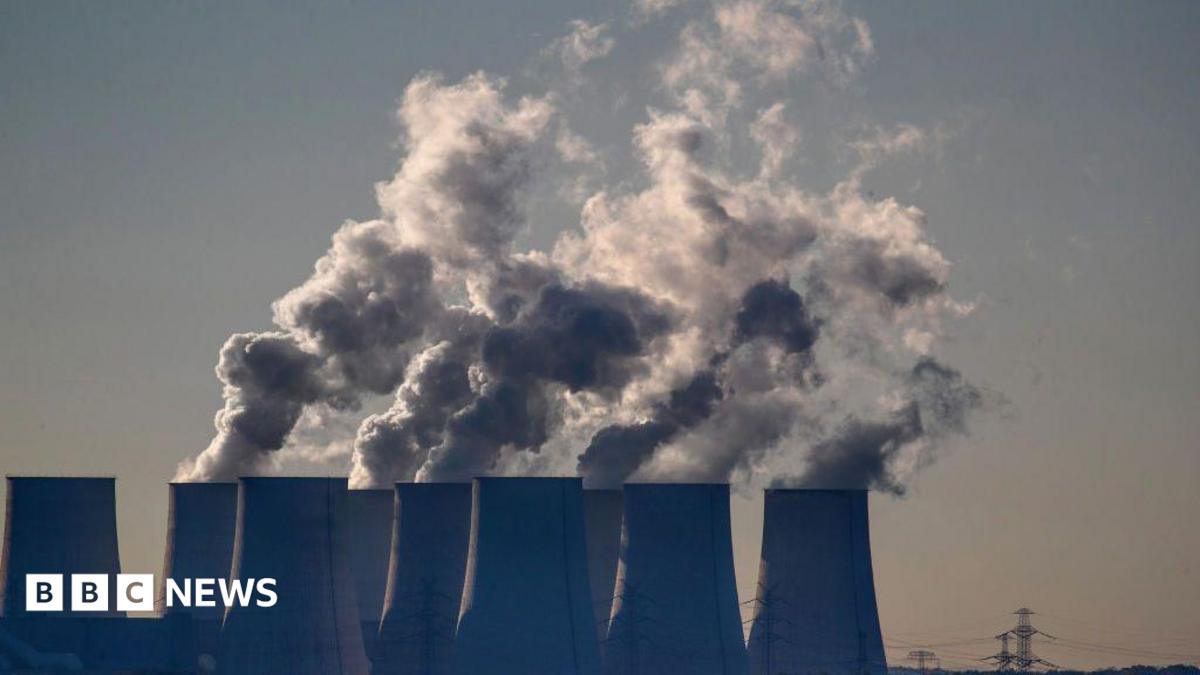
The European Commission has put forward a proposal to slow planned cuts under the EU emissions trading system, creating immediate uncertainty about how quickly companies will need to trim their carbon output. The move aims to ease short-term pressure on energy-intensive firms while the detailed rules are negotiated in Brussels and national capitals.
What the EU is proposing for the EU emissions trading system
At the heart of the draft are adjustments to the annual rate at which carbon allowances are tightened and temporary flexibility measures for specific sectors. The Commission says the changes would reduce the pace of required cuts in the short term so companies face fewer immediate compliance costs and operational disruptions. The text published is a Commission proposal; it is not yet legally binding and does not confirm adoption.
The proposal would effectively slow the tightening of the cap that determines how many emissions allowances are available each year. That cap ordinarily declines over time to push overall emissions down. Under the draft, the reduction trajectory would be altered for upcoming years and some conditional provisions could allow sectoral relief tied to economic indicators or supply concerns.
Which businesses are affected and how
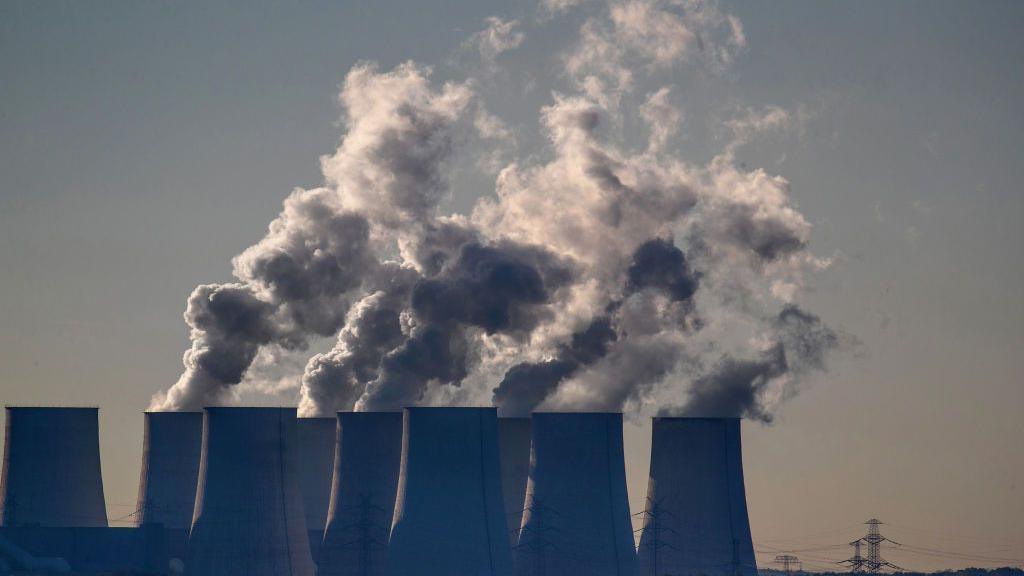
The EU emissions trading system covers power producers, large industrial installations and other firms with significant greenhouse gas emissions. Those businesses typically surrender allowances to match their annual emissions; fewer or less rapidly tightened allowances reduce immediate demand for permits.
Practically, companies in heavy industry, chemicals, cement, steel and power generation could see lower near-term compliance costs. That may translate into reduced spending on carbon permits at auctions or on the secondary market, and could delay some investments in low-carbon technology that firms would otherwise accelerate to meet stricter near-term obligations.
For businesses that have already committed to long-term decarbonisation projects, the proposal may provide breathing room without changing those plans. For others, the softer near-term signal could reduce the immediate commercial incentive to invest, making voluntary targets, investor pressure and corporate climate strategies more important drivers of action.
Reasons, reactions and policy context
EU officials framing the proposal point to economic pressures including high energy costs and competitiveness concerns for energy‑intensive industry. The Commission presents the draft as a temporary calibration intended to balance decarbonisation goals with economic resilience and to limit social or industrial disruption while markets and supply chains adjust.
Initial reactions fall along predictable lines. Industry groups and some national governments are likely to welcome extra flexibility that lowers short-term compliance costs. Environmental organisations and climate-focused policymakers warn any relaxation of rules risks slowing emissions reductions and undermining long-term ambitions.
The debate reflects broader political trade-offs in EU climate policy: how to maintain a credible carbon-pricing mechanism while addressing concerns about jobs, energy affordability and the international competitiveness of European industry. The proposal is described as an adjustment rather than a policy reversal, but the final balance will be settled through negotiation.
What comes next and timeline uncertainty
The Commission’s draft now moves to the European Parliament and the Council, where elected MEPs and member-state ministers will examine, amend and vote on the measures. That co‑legislative process can take several months and often produces outcomes that differ from the original proposal.
Because the text is currently a proposal, it is not legally binding. The final rules, their implementation dates and any transitional arrangements remain uncertain until co-legislators reach agreement. Key negotiating points will include the exact reduction rates, whether certain sectors receive carve-outs, and the conditions under which any flexibility would apply.
Stakeholders should expect multiple negotiation rounds, potential trilogue talks between Parliament and Council, and political compromises shaped by national interests and economic data. Any adopted package may phase in changes over time or tie them to specific economic triggers.
Background and short-term impacts
The EU emissions trading system is the bloc’s main market-based tool to cut greenhouse gas emissions by capping the total number of allowances and letting companies trade them. Adjusting the cap and the pace of reductions changes the market signal that drives investment decisions in energy efficiency and low-carbon technologies.
In the near term, market participants — including utilities, industrial emitters and carbon traders — will reassess permit purchasing strategies, hedging positions and capital expenditure plans in light of the proposed easing. Carbon price expectations, auction revenues and market volatility could all be affected while negotiations progress.
FAQ
Will the changes become law?
Not yet. The measures are a Commission proposal and must be approved by the European Parliament and the Council. Negotiations can change the text and timing, and there is no guarantee the final law will match the initial draft.
How will this affect company emissions targets?
Firms covered by the EU scheme may face lower near-term regulatory pressure, which could reduce immediate compliance costs. However, voluntary corporate targets, investor expectations and other national or sectoral commitments may continue to push many companies to pursue emissions reductions.
Who decides the final rules and timeline?
The European Parliament and the Council negotiate and adopt EU legislation. They will decide the final content, any transitional measures, and the implementation timetable for the proposed changes.
Source: BBC News – EU proposes slowing down cuts to carbon emissions for businesses