A BBC News report has again put Farage and Reform UK under the spotlight, raising questions framed around power, transparency and money. The BBC’s account describes these as lines of inquiry rather than proved wrongdoing; this analysis unpacks what is known, what remains alleged and how rivals and voters might respond.
The BBC report is the starting point for this piece. It collates reporting and questions journalists are pursuing; it does not represent a legal finding. That caution matters: allegations can matter politically even when they have not been legally established.
What the headlines say about Farage
The BBC article by Chris Mason set the tone, summarising claims that have prompted renewed attention on the Reform UK leader. It stresses that the material being reported raises questions rather than issuing conclusions.
Headlines compress complex investigations. The BBC’s reporting provides a public record of the questions that are now in circulation, and that record is what rivals and voters are reacting to.
Questions over power, transparency and money
The report organises concerns into three distinct strands: power, transparency and money. Each strand works differently in politics and requires different kinds of evidence to resolve.
Power. This strand focuses on who makes key decisions and who influences the party’s direction. Even without proof of rule-breaking, perceptions of concentrated control can harm a leader’s reputation. Voters and party colleagues often respond to signs of opaque decision-making with scepticism. The BBC coverage highlights the lines being examined; political damage can accumulate if unanswered questions persist.
Transparency. The second theme concerns how relationships, meetings and decision-making are disclosed. Opacity can be damaging because it is difficult to rebut. Where records, minutes or clear statements are absent, suspicion fills the gap. The BBC report stresses unanswered questions about openness; that framing makes transparency a political, not just a procedural, issue.
Money. Financial matters attract scrutiny because they can be documented and traced. Allegations about funding, donations or financial arrangements are consequential because they invite documentary checks. The BBC does not allege proven illegal conduct; it reports lines of inquiry that centre on financial connections and arrangements that require further verification.
Individually these themes can unsettle supporters. Together they can amplify one another: doubts about transparency make financial questions harder to dismiss; signs of concentrated power can make explanations less convincing. The BBC’s approach is to set out these connected strands and show why they merit further reporting.
Why rivals now see an opening
Rivals inside and outside Reform UK typically look for moments when a leader appears distracted or weakened. Media scrutiny that accumulates across the three strands gives opponents a narrative they can use without having to prove criminality: they can argue the party needs different stewardship or clearer governance.
Internal challengers often emphasise competence and judgment. They may call for governance reforms or demand internal reviews. Externally, other parties can use the BBC’s reporting to contrast their own stated standards on transparency and accountability. The practical effect is strategic: opponents use publicly reported questions to press for change of tone or personnel.
The BBC piece provides a publicly citable record that rivals can point to. That matters because political windows open and close quickly; sustained coverage makes it easier for a rival to mobilise support for change.
What this could mean for voters and Reform UK
For voters, the immediate effect is informational. New reporting alters what voters know and what they ask about. In tight contests or among undecided voters, perceptions of integrity and competence can be decisive. The BBC’s framing — questions rather than proven facts — means many voters will treat this as a story to watch rather than one that settles judgment immediately.
For Reform UK the consequences depend on responses. Clear, timely answers and transparent steps can blunt the effect. If the party provides documents, independent audits or credible explanations, the story may curtail relatively quickly. If explanations are slow or seen as evasive, negative impressions can harden.
Polling moves only when narratives stick. Rival messaging, follow-up reporting, and whether corroborating documents or official statements appear will determine whether this episode remains a temporary reputational dent or precipitates deeper internal or electoral shifts.
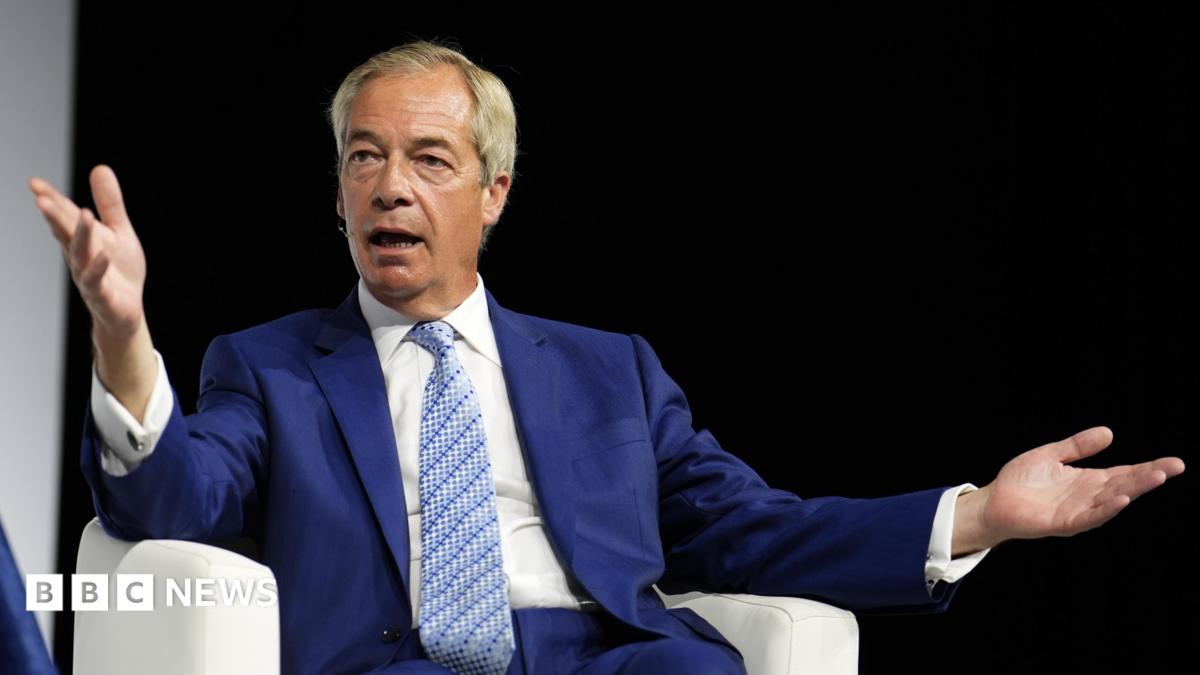
That image appears here to illustrate the campaigning context discussed above. Readers should note the image does not convey evidence about the reporting itself; it is contextual.
Source, limits and next steps in reporting
This analysis is based on the BBC News report by Chris Mason (published 6 July 2026). The BBC is the primary public source for the claims and questions summarised here. We treat those claims as reported lines of inquiry rather than established facts.
Reporting limits: the material the BBC published raises questions that require further documentary corroboration, official responses or independent inquiry to resolve. We do not assert unproven facts and flag the difference between allegation and evidence.
What to watch next: look for follow-up pieces that cite documents, provide corroborating witness accounts, or include a clear response from Reform UK. Independent audits, internal party statements or formal inquiries would be major developments that change the story’s trajectory.
FAQ
What accusations are being reported about Farage?
The BBC groups concerns around power, transparency and money connected to Farage’s role in Reform UK. The article reports questions and lines of inquiry rather than proven wrongdoing.
Could these reports change leadership dynamics at Reform UK?
They could. Sustained media scrutiny and effective rival messaging can strengthen internal challengers or give external opponents political leverage. Change is possible but depends on subsequent evidence and party responses.
What should readers watch for next in this story?
Watch for documentary evidence, direct responses from Reform UK, corroborating reporting and any independent reviews. Those developments will determine whether the story remains a set of questions or moves toward confirmed findings.
Source attribution: Chris Mason, “Accusations around Farage leave him looking vulnerable to his rivals”, BBC News, published 6 July 2026. https://www.bbc.co.uk/news/articles/c04yyx15xngo