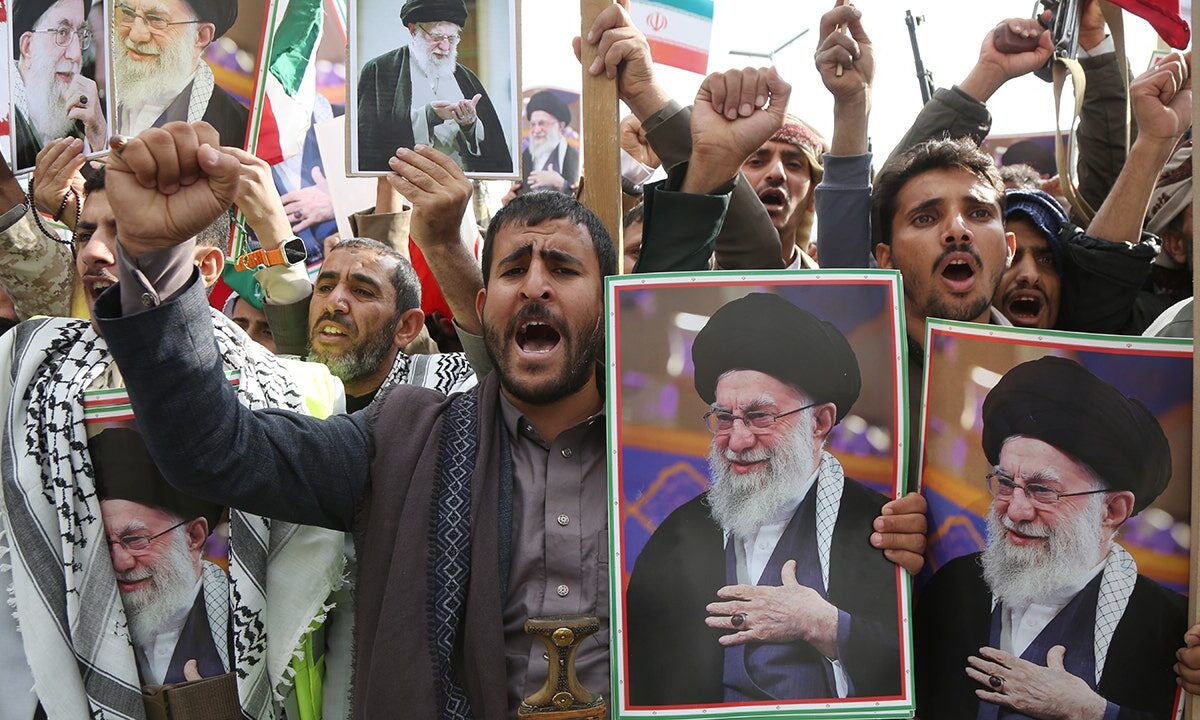
The Houthis warned of fresh attacks after what Houthi and Yemeni officials described as an alleged strike on the runway at Sanaa International Airport that disrupted an attempted Iran-linked flight. Houthi military spokesperson Yahya Saree called the action “blatant aggression,” saying a period of relative calm had ended and that Saudi Arabia “would bear the consequences.” Iran’s state-linked Press TV condemned the incident as “a breach of law, Yemen sovereignty.”
Claims of a strike at Sanaa International Airport
Yemeni defense ministry statements and pro-government sources alleged the airport runway was targeted to prevent a plane with Iranian links from landing in Houthi-controlled Sanaa. Officials said the action aimed to stop a flight reported by some outlets as operated by Iran’s Mahan Air.
Those accounts were disputed within hours. An armed forces spokesman later said the same aircraft instead landed at Hodeidah. Independent, on-the-ground verification of runway damage and the precise aircraft movements has not been made public, and key details remain contested.
Houthis’ response and threats
The Houthi movement condemned the alleged strike and said it would respond. Yahya Saree described the attack as “blatant aggression” and warned it “will not go unanswered.” Houthi statements named King Khalid Airport in Riyadh among potential targets, signaling a direct threat to Saudi infrastructure if the group follows through.
Observers note the rhetoric fits a pattern of rapid escalation and reciprocal threats that have marked the conflict since major hostilities intensified in 2023. Houthis framed their warning as a deterrent intended to prevent further strikes.
Iran link and the Mahan Air flight
Iran’s Press TV condemned what it called a Saudi strike on Sana’a airport. The disputed involvement of a Mahan Air plane drew attention because the carrier has been sanctioned by the United States over alleged links to weapons transfers. Yemeni sources also said a Yemenia aircraft had been arranged to repatriate a Houthi delegation and that use of an Iranian carrier would have bypassed agreed inspection routes; those assertions have been presented by parties with differing interests and are not independently corroborated.
Analysts caution that claims about the aircraft’s identity and mission are politically sensitive and remain disputed. The competing narratives highlight how limited and partisan reporting from the conflict zone can shape fast-moving diplomatic and military responses.
Risk to shipping, Bab al-Mandab and oil markets
The episode has immediate implications for maritime security in the Red Sea and the Bab al-Mandab Strait. Since Oct. 7, 2023, the Houthis have periodically targeted commercial vessels in the region. Renewed Houthi operations or explicit threats against Saudi facilities could raise shipping insurance costs, prompt route changes and slow transit through a critical global trade corridor.
Market impacts would hinge on scale and duration. Short-lived, localized disruptions typically cause limited price volatility; sustained attacks or a broader regional escalation would be likelier to lift oil prices and disrupt supply chains. Shipping firms and insurers monitor such incidents closely and often respond with altered routing or naval escorts to reduce exposure.
What comes next and international responses
Diplomacy and security measures will determine whether the incident escalates. Possible responses include increased naval patrols or convoys through the Red Sea, stepped-up surveillance of air routes, sanctions or targeted measures against entities alleged to facilitate prohibited transfers, and tightened port or airport procedures.
Fox News Digital sent press queries to the U.S. State Department seeking comment; at the time of reporting no formal response had been published. Reuters reporters also contributed reporting to the evolving coverage. Regional governments had not issued synchronized public statements immediately after the allegations surfaced.
Analysts say much depends on whether independent verification of runway damage or prohibited transfers emerges. Without clear, corroborated evidence, diplomatic pressure and calibrated security measures are the likeliest near-term responses rather than immediate large-scale military reprisal.
Reporting notes and sources
This article presents allegations and competing accounts about a reported runway strike and subsequent aircraft movements; several details are contested and have not been independently verified on the ground in Sanaa. Direct statements from Houthi spokespeople, Yemen’s defense ministry and Iran’s Press TV informed the narrative, alongside reporting from Reuters and queries placed by Fox News Digital to the U.S. State Department.
Reporting relied on primary statements from Houthi and Yemeni officials and state-linked Iranian media; where claims conflict, they are presented as reported by the originating party. Analysts cautioned against drawing definitive conclusions until independent verification is possible.
Source attribution: reporting compiled from Houthi and Yemeni statements, Iran’s Press TV, Reuters coverage and Fox News Digital’s press queries to the U.S. State Department. For related coverage, see reporting by Fox News: Iran-backed Houthis threaten fresh attacks after Yemen airport strike. Reuters contributed to this report.