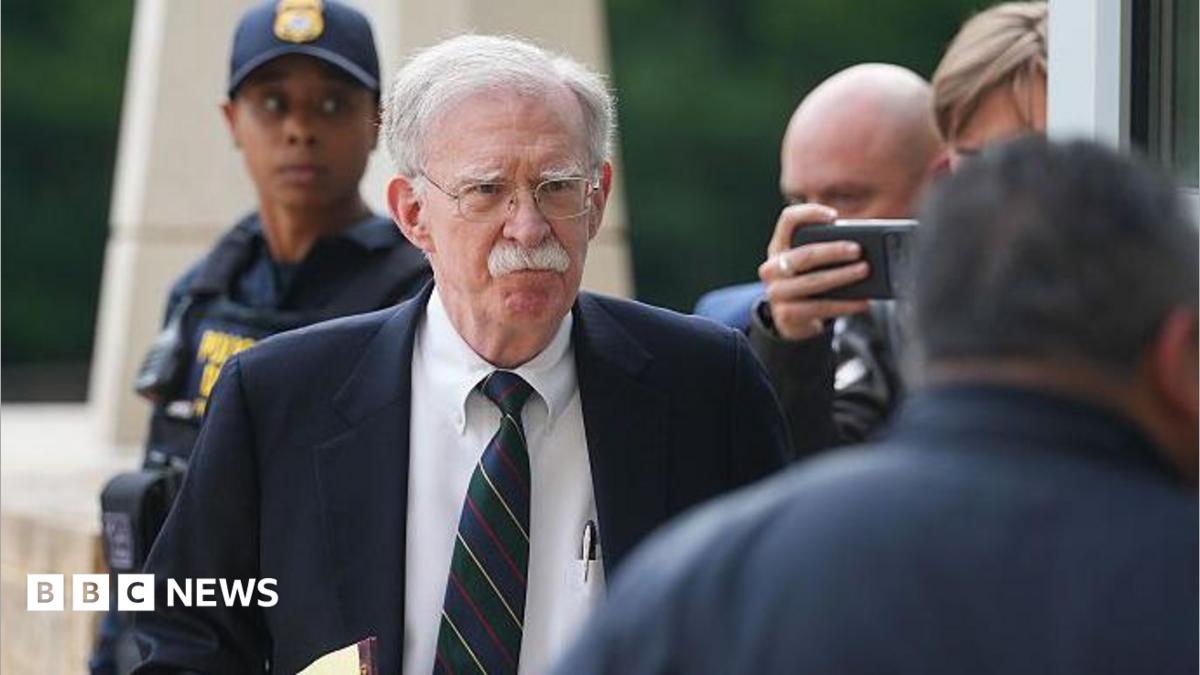
John Bolton guilty plea was entered on 26 June 2026, BBC News reports, when the former national security adviser acknowledged mishandling classified documents. Prosecutors say the agreement resolves criminal exposure while leaving any custodial sentence and financial penalty for a judge to decide.
John Bolton guilty plea: charges
Prosecutors, as reported by BBC News, say Bolton pleaded guilty to knowingly retaining and mishandling classified national defence materials after leaving his role as President Donald Trump’s national security adviser. The plea filing described a factual basis for the charge and identified the protected materials at issue, according to the BBC.
The filing, cited by the reporting, presents details prosecutors say support the charge but does not itself fix any sentence. BBC News noted the agreement resolves criminal exposure by way of the guilty plea while preserving sentencing decisions for the court.
Officials and filings referenced in the BBC account characterise the conduct as violations of statutes that protect national defence information. The report frames the admitted acts in the context of post-office handling of sensitive material.
Penalties prosecutors say he faces
Prosecutors told reporters and outlined in the plea paperwork, as summarised by BBC News, that Bolton faces potential penalties under the statute that include up to five years in prison. The reporting also states the plea agreement includes an agreed monetary resolution: a $2.25m fine.
BBC coverage emphasises that while prosecutors may recommend a particular sentence or fine, the judge will make the final decision at sentencing. The plea thus resolves guilt on the charged count but does not carry an automatic custodial term or fine absent court action.
Federal sentencing involves guidelines, victim-impact considerations, and judicial discretion. The BBC account notes that plea deals can include stipulated financial amounts or recommendations that a court may accept, modify, or reject when setting a sentence.
Why this matters for national security and accountability
Prosecutors framed the charges around the risk posed when classified information is not properly protected, per BBC reporting. The case raises questions about how sensitive materials are handled after officials leave senior national security posts.
The office of the national security adviser is routinely entrusted with highly sensitive intelligence and defence information. The BBC story places the plea in a broader conversation about safeguarding classified records, protocols for returning government materials, and the mechanisms that enforce those rules.
Public trust and legal accountability for former senior officials are central to the debate. BBC analysis and reporting referenced by prosecutors suggest that prosecutions in this area are intended to underscore that mishandling protected information can carry criminal consequences, regardless of a defendant’s prior rank.
What comes next in the case
Following the guilty plea, the immediate legal next step is sentencing. BBC News reports that both sides will file materials for the court — prosecutors will outline the conduct and their recommended penalty, while defence counsel may submit arguments and mitigating evidence asking for leniency.
The judge will set a sentencing hearing and will consider the plea paperwork, sentencing guidelines, written submissions and any statements from the parties before imposing a sentence. BBC reporting indicates that timelines for filings and the sentencing hearing were set out in the court docket associated with the case.
Defence counsel may argue for a reduced sentence or alternative penalties based on cooperation, personal history, or other mitigating factors; prosecutors will make their case for the punishment they view as fitting the admitted conduct. As BBC noted, whatever recommendation prosecutors make is advisory and the judge retains final authority.
Source and context
This account is based on BBC News reporting of 26 June 2026. The BBC article summarises the plea filing and prosecutors’ statements about the admitted conduct and potential penalties. For full details and the primary report cited by prosecutors, see the BBC story: BBC News.
Source: BBC News. All descriptions above explicitly attribute factual claims about the plea, the statutory exposure and the agreed fine to prosecutors and the BBC’s reporting; interpretations of legal procedure reflect established federal practice regarding plea agreements and sentencing.