BBC reporting says Laos will press charges tied to a methanol poisoning incident, and Australia is “deeply frustrated” by that reported move. The BBC headline and coverage frame the development as legal action emerging from a public health incident, and media reports cited by the BBC say the alleged penalties could include up to one year in jail.
What the BBC reported
The BBC headline on the story is: Australia ‘deeply frustrated’ over Laos methanol poisoning charges. The BBC article summarises local reporting and quotes Australian officials describing themselves as “deeply frustrated” at the reported decision. The coverage links the reported legal action to investigations into a methanol contamination or poisoning incident and cites local media as the source for details about potential charges and penalties.
Laos methanol poisoning charges: what’s reported
According to the reporting relayed by the BBC, Laotian authorities are preparing charges related to the methanol poisoning incident. Media accounts quoted in the BBC piece say those believed responsible could face penalties of up to one year in jail under Lao law. At the time of reporting, these descriptions come from news organisations and statements by local officials; they do not replace formal court filings or verdicts.
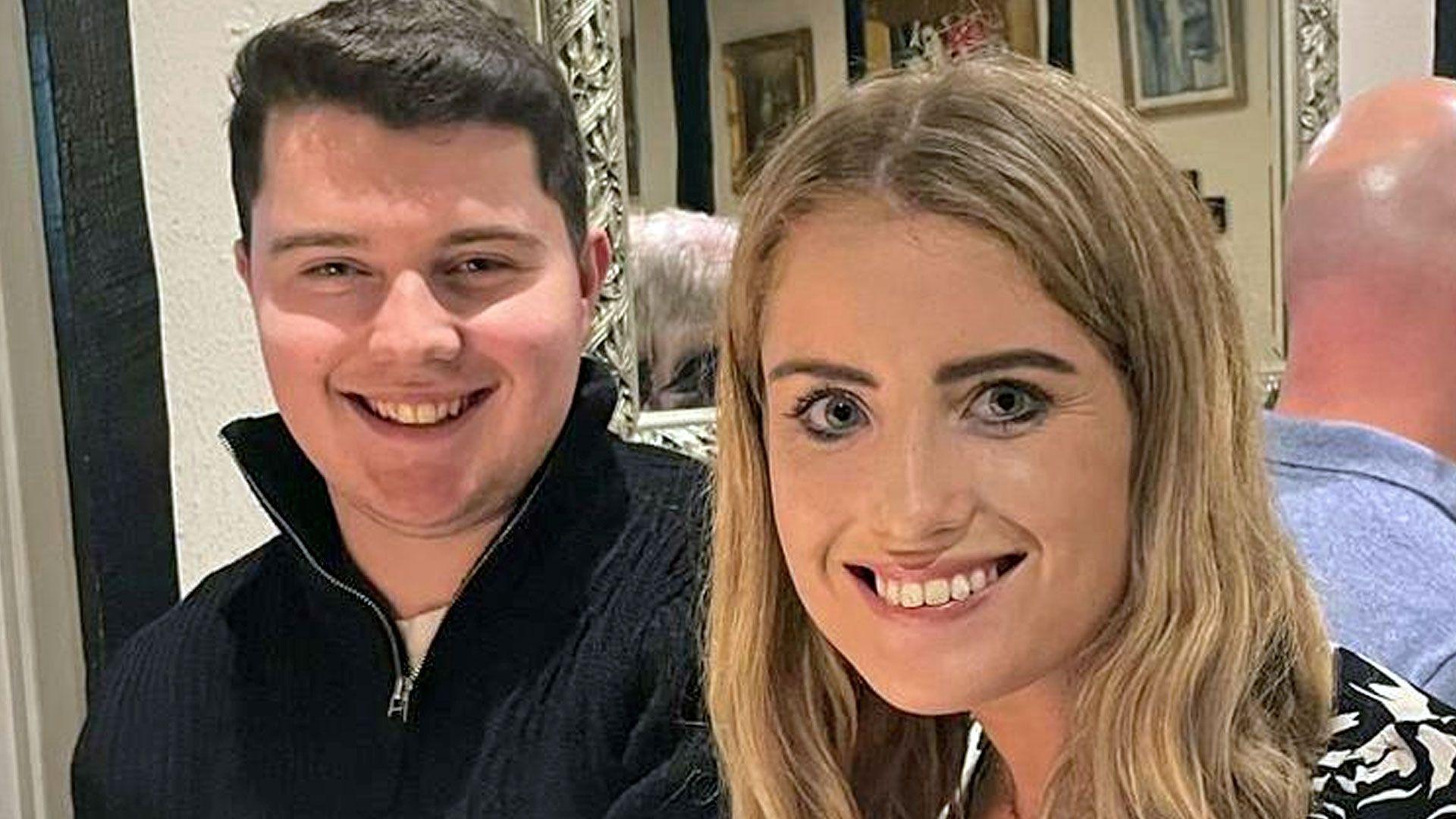
Coverage to date does not present a comprehensive list of named defendants or a full text of any charging documents. Journalists emphasise that reported intentions to file charges reflect actions by authorities rather than adjudicated guilt, and that the legal process in Laos will determine any outcomes for those charged.
Diplomatic response from Australia
Australia’s reaction in the BBC coverage is captured by the phrase “deeply frustrated.” That public statement signals diplomatic concern about how the case is being handled and the implications for Australian interests. The wording indicates Canberra’s dissatisfaction with the reported approach rather than detailing specific legal or consular measures.
Public diplomacy often serves to put pressure on other governments to ensure transparency or to protect nationals when incidents cross borders. In this instance, the BBC report notes the frustration in Canberra but does not provide a full account of any private diplomatic exchanges, formal protests or consular steps that may be under way behind the scenes.
Public health and legal context in Laos
Methanol poisoning occurs when toxic methanol is ingested, often after being mistaken for drinkable alcohol or when methanol contaminates consumer products. It can cause rapid and severe symptoms, including visual impairment, organ failure and death. Outbreaks prompt urgent public health responses to identify sources of contamination, treat victims and prevent further harm.
When such incidents occur, authorities typically mount criminal and regulatory investigations if contamination, illegal production or negligent distribution is suspected. In Laos, as in other jurisdictions, that process can include forensic toxicology to establish the cause of illness, witness interviews, collection of physical evidence and legal review to determine appropriate charges. Media reports cited by the BBC describe planned legal action under domestic statutes rather than providing details of evidence that would be presented in court.
What comes next
The immediate next steps likely include an official statement from Lao authorities outlining any formal charges and the timetable for prosecution. Media reporting so far has not provided a detailed timeline for hearings or arraignments, and independent confirmation through court records or prosecutor statements would be needed to verify particulars.
Investigations into methanol poisoning commonly require toxicology results, tracing supply chains and determining whether contamination was accidental or deliberate. If Australians are affected or implicated, Canberra may pursue consular assistance or diplomatic discussions; the BBC piece reports public frustration but does not specify any confirmed consular interventions.
Observers and affected families will be watching for further announcements from Lao legal authorities and for additional statements from Australia clarifying its position. Independent verification from official documents or court filings will be the clearest path to confirming who is being charged and on what counts.
Frequently asked questions
What did the BBC report about the Laos methanol poisoning charges?
The BBC reported that Laos intends to press charges related to a methanol poisoning incident and that Australia described itself as “deeply frustrated” by that decision. The BBC article cites local media reporting and public comments that reflect diplomatic concern.
Who could face charges and what penalties are reported?
Media accounts cited by the BBC say those alleged to be responsible could face penalties of up to one year in jail. Reports refer to charges under Lao domestic law but do not list named defendants or reproduce formal indictments at the time of reporting.
How has Australia responded to the reported charges?
Australia has been quoted as “deeply frustrated” in the BBC coverage, indicating diplomatic displeasure with the reported decision to press charges. The public comments do not detail private diplomatic actions or any consular measures that may be taking place.
Source: BBC News – Top Stories. For the original reporting, see: Australia ‘deeply frustrated’ over Laos methanol poisoning charges