Members of Congress have sent a formal lawmakers letter to WNBA Commissioner Cathy Engelbert demanding answers about the physical treatment of Caitlin Clark on the court. The move thrusts the league into a high-profile policy and political debate about player safety, enforcement and the role of federal agencies.
The letter — made public by lawmakers and summarized in contemporary news coverage — warned the league that the WNBA’s most recognizable player has faced what signers called “repeated acts of unnecessary physical hostility and violence.” The document asked Commissioner Cathy Engelbert to “ensure a safe and professional environment” for players and signaled support for investigations if discrimination or retaliation is alleged.
What the letter says
The lawmakers’ letter to Cathy Engelbert, as reported publicly, lays out specific concerns about on-court conduct toward Caitlin Clark and other players. It describes the player as the “face of your league” who has experienced “repeated acts of unnecessary physical hostility and violence,” and it asks the WNBA to articulate steps it will take to protect athletes.
The letter explicitly asks the league to “ensure a safe and professional environment, both on and off the court, free from violence, discrimination, or retaliation.” It also states that if discrimination or retaliation is occurring, signers “support any appropriate investigation by the Department of Justice, the Department of Labor, or the Equal Employment Opportunity Commission.” Those references point to the types of federal scrutiny lawmakers say could apply.
Those phrases are taken from the public letter as reported in contemporary coverage; the claims in the letter are assertions by lawmakers and would require independent investigation to confirm. (Documented: language appears in the public lawmakers’ letter as reported by news outlets.)
TV reaction on Table for Five
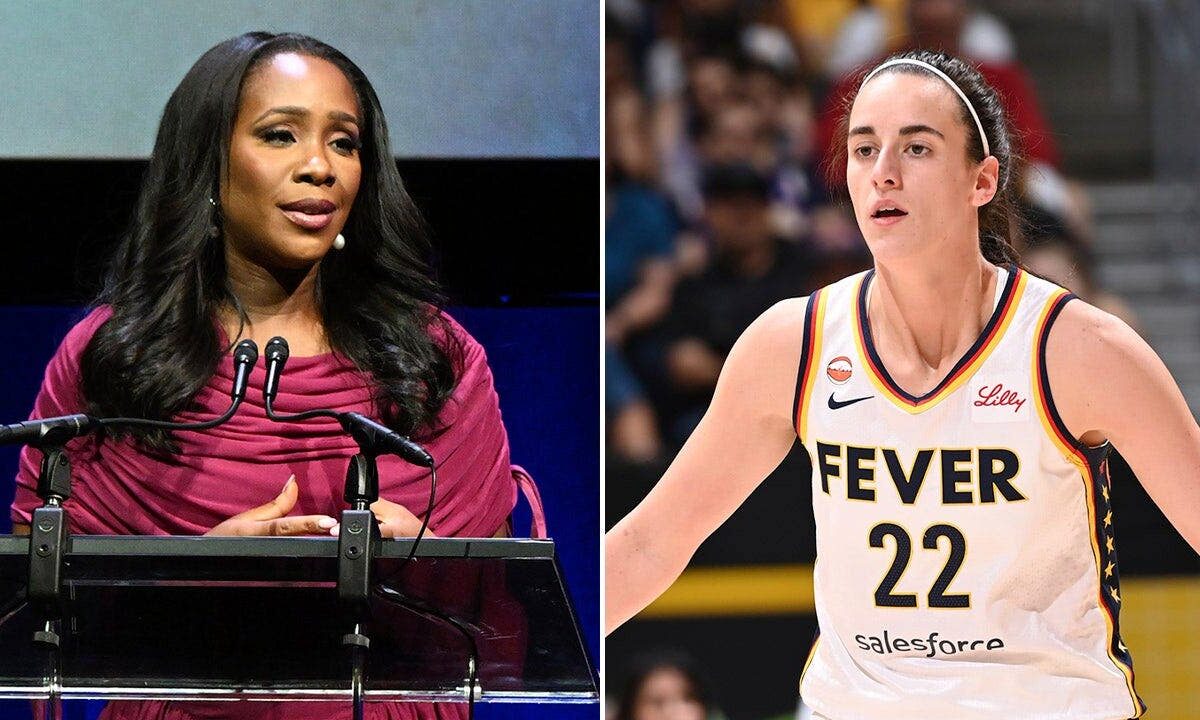
The release of the letter prompted immediate TV commentary on CNN’s Table for Five. Cari Champion called the letter “really, really disrespectful,” arguing that the physical play Clark has faced is part of the WNBA’s established style and history. That statement is on-air commentary and should be read as opinion. (Opinion: Cari Champion, Table for Five.)
According to a Fox News story summarizing the segment, Abby Phillip said Republican lawmakers’ attention to Clark appeared motivated “exclusively” by her race. That was presented on air as Phillip’s interpretation of the lawmakers’ motive; it is a commentator’s view and not a documented fact about the signers’ intentions. (Opinion: Abby Phillip, as reported by Fox News.)
Both hosts situated their remarks within broader cultural frames: Champion emphasized the WNBA’s history shaped by Black players and activists, while Phillip characterized the congressional reaction as selective political support tied to Clark’s prominence. Readers should distinguish between the documented text of the lawmakers’ letter and the hosts’ interpretive commentary. For the TV excerpt and context, see the contemporaneous news summary linked below.
How this affects Caitlin Clark and player safety
Caitlin Clark is the central figure in the dispute, and the congressional letter places additional public pressure on the WNBA to articulate how it protects players. If the league finds that on-court conduct or related off-court behavior creates unsafe conditions, it may face demands for new or clarified rules and enforcement practices.
Practical changes could include clearer foul enforcement guidance for officials, more consistent disciplinary protocols, expanded reporting avenues for players who feel targeted, and stronger anti-harassment measures tied to team or league conduct policies. Any changes would affect how referees, teams and players interpret acceptable play and off-court behavior going forward.
Potential federal probes and legal stakes
The letter names three possible agencies: the Department of Justice, the Equal Employment Opportunity Commission and the Department of Labor. Each brings a different legal lens: the DOJ and EEOC would generally look at potential civil-rights or discrimination theories, while the Department of Labor would handle workplace-protection and retaliation issues where applicable.
In practice, a federal inquiry would typically begin with a complaint or referral and a preliminary review to determine jurisdiction and whether there is sufficient evidence to open a formal investigation. The lawmakers’ letter signals political support for that avenue but does not itself trigger automatic federal action; agencies make independent decisions about whether to proceed.
What comes next for the WNBA
The WNBA and Commissioner Cathy Engelbert are likely to respond publicly and internally: a statement addressing the letter, outreach to players and teams, and potentially an internal review or policy clarification. Immediate public replies often come within days, though formal investigations — internal or external — can take months.
The league could announce short-term steps (e.g., clarifying officiating guidelines or updating reporting procedures) while launching a longer, more comprehensive review of discipline, safety protocols and fan- or team-directed harassment. Any announced measures will be scrutinized by players, lawmakers and the public.
Background and TV context
This debate arrives amid heightened attention to the WNBA’s visibility, superstar players and how leagues handle both in-game conduct and off-court harassment. Caitlin Clark’s high profile has drawn widespread attention, and that spotlight is shaping how political actors and commentators frame safety and fairness concerns.
Television panels like Table for Five combine reporting and opinion; viewers should treat host characterizations about motive or intent as interpretation unless those claims are backed by documented evidence such as a written statement or a public record.
Source attribution
This article synthesizes the public text of the lawmakers’ letter as reported in news coverage and TV commentary summarized in contemporaneous reporting. The television commentary cited above was summarized in a Fox News story: Fox News — summary of CNN’s Table for Five segment. The letter’s quoted language and the agencies named (Department of Justice, Department of Labor, EEOC) come from the public lawmakers’ letter as reported in the same coverage.
Documented facts in this article are limited to the publicly stated language of the lawmakers’ letter and the fact of on-air commentary. Interpretations of motive or broader political framing are labeled as opinion when they originate with TV hosts or commentators.
FAQ
What did the lawmakers ask the WNBA to do?
The letter asked Commissioner Cathy Engelbert to ensure a “safe and professional environment” for players, to account for reported incidents described as “repeated acts of unnecessary physical hostility and violence,” and it expressed support for investigations by the DOJ, Department of Labor or EEOC if discrimination or retaliation is suspected.
Did Abby Phillip say support was because Caitlin Clark is White?
On CNN’s Table for Five, Abby Phillip suggested the lawmakers’ attention to Clark appeared motivated “exclusively” by her race. That was presented as on-air commentary and is the host’s interpretation; it is not itself independent evidence of the signers’ motives.
Could federal agencies open an investigation into the WNBA?
The letter references the DOJ, EEOC and Department of Labor as potential investigative bodies. Those agencies could open inquiries if a formal complaint or referral were made and if they find jurisdiction and preliminary evidence to proceed.
Reporting note: This analysis draws on the public lawmakers’ letter as reported in contemporary coverage and on a Fox News summary of the CNN television discussion: https://www.foxnews.com/outkick-sports/abby-phillip-claims-gop-lawmakers-back-caitlin-clark-exclusively-because-white