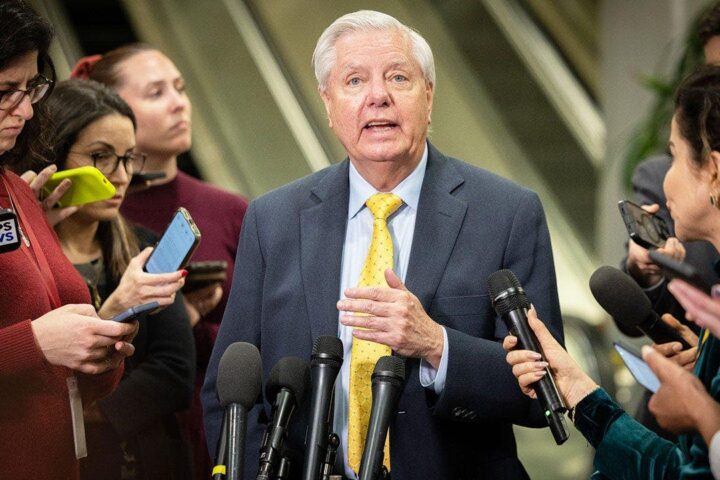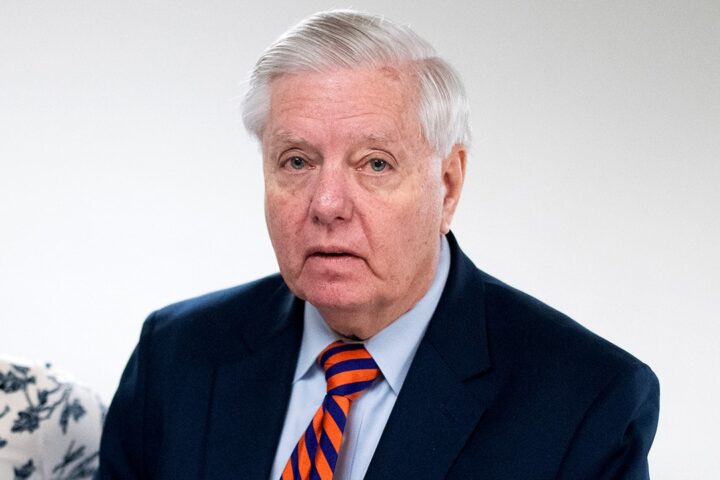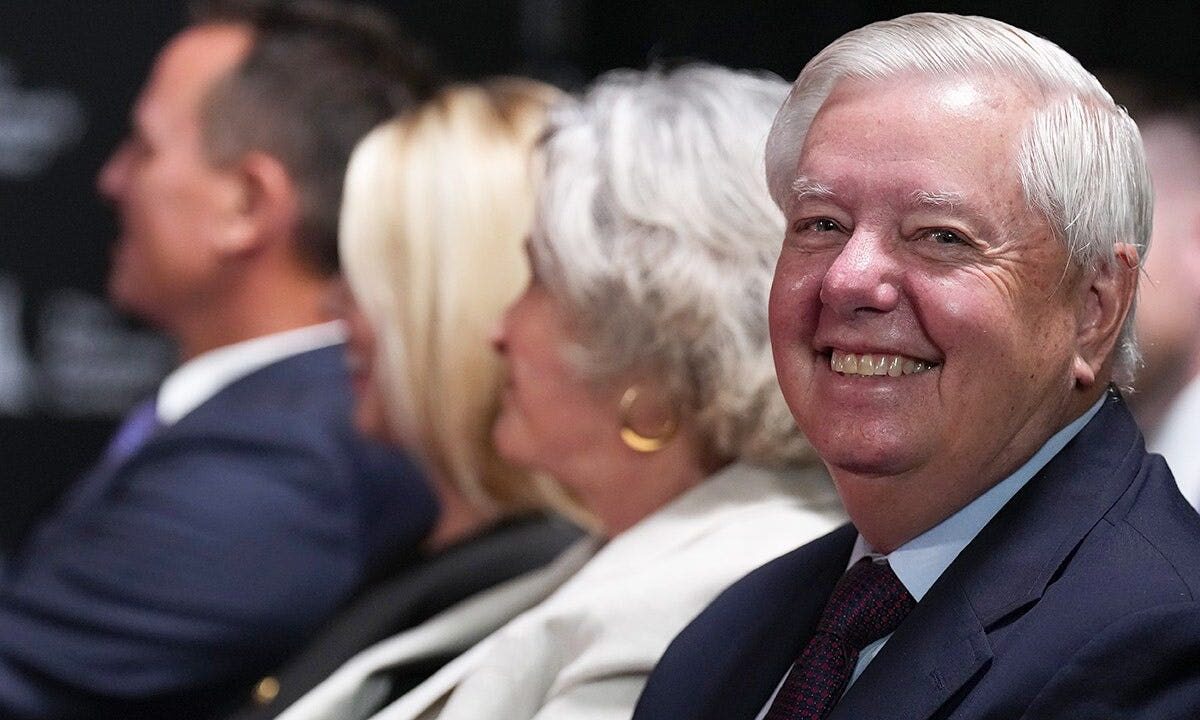
Sen. Lindsey Graham, 71, had just come home from Ukraine after another trip to Kyiv and remained an active voice on U.S. foreign policy and national-security debates. His frequent travel and public advocacy made him a prominent translator of complex intelligence and regional dynamics for lawmakers and the public.
Lindsey Graham’s final days and public role
Graham’s recent trip to Ukraine was one of several visits since Russia’s full-scale invasion. He consistently framed support for Kyiv as central to deterrence and to preserving the post–Cold War order, arguing that U.S. backing signaled consequences for Kremlin aggression.
Across briefings, public appearances and private meetings, Graham bridged technical assessments and plainspoken messaging. That role amplified intelligence and policy questions to colleagues and the broader electorate, shaping votes on military and economic aid packages.
How he pushed for support to Ukraine
Graham long advocated robust U.S. assistance to Ukraine, pressing both for lethal and nonlethal aid and for diplomatic coordination with allies. He argued that helping Kyiv resist encroachment was an investment in deterring wider Russian escalation, repeatedly urging Congress to provide funds and capabilities.
His advocacy combined public pressure with private outreach to lawmakers, military officials and allied partners. By linking battlefield needs to broader strategic goals, Graham sought to keep Ukraine funding at the center of legislative debates and to make the cost of inaction plain to colleagues across the aisle.
Middle East focus: Iran, Israel and the Abraham Accords
In the Middle East, Graham was a steadfast supporter of Israel and an outspoken critic of Iran’s regime. He backed measures to counter Tehran’s regional influence while also promoting expanded cooperation between Arab states and Israel through the Abraham Accords.
Graham repeatedly tied human-rights advocacy to broader policy aims. Iranian dissidents who worked the halls of Washington sometimes called him “Uncle Lindsey,” a nickname reflecting his visible, hands-on support: he raised political prisoners’ names on the Senate floor, met with families and exiles, and sought to marshal U.S. leverage for dissidents.
He argued that a strong Israel and deeper regional ties served narrow tactical goals—security cooperation, intelligence-sharing and maritime security—as well as broader diplomatic leverage. His public and private interventions aimed to connect U.S. posture on Iran with opportunities to normalize relations among regional partners.
Bipartisanship, judges and the defense budget
On Capitol Hill, Graham combined foreign-policy advocacy with work on judges and on defense funding. He cultivated relationships across party lines when he believed national security was at stake, at times teaming with Democrats to advance specific measures.
Graham was a persistent voice for rebuilding defense readiness, arguing that credible force, modernization and procurement were prerequisites for effective diplomacy and deterrence. That emphasis helped shape budget negotiations and gave him leverage on personnel and security priorities.
What his absence may mean for U.S. strategy
The sudden gap raises near-term questions about who will carry Graham’s blend of access, advocacy and public translation. In the immediate term, lawmakers who prioritized Ukraine aid, pressed Iran on human-rights cases, or championed expanded regional security arrangements may find fewer consistent public boosters.
Analysts note adversaries such as the Kremlin, Iran’s leadership and militant groups will watch how Congress and the administration reassign responsibilities. Whether Graham’s approach — tying human rights, diplomacy and force together in public arguments — is replicated will depend on who emerges as point person in the Senate and how quickly coalitions form.
Expect a contest over committee roles and messaging on Ukraine funding, sanctions and arms packages. That jockeying could change the tone, speed and scope of U.S. responses in several theaters at once.
Source attribution
Source: LISA DAFTARI: Lindsey Graham understood America’s role in the world — and why it matters — https://www.foxnews.com/opinion/lisa-daftari-lindsey-graham-understood-americas-role-world-why-it-matters
Daftari wrote that Graham “understood America’s role in the world — and why it matters,” a characterization echoed in commentary noting his frequent travel, outspoken advocacy and connections to key Republican circles.