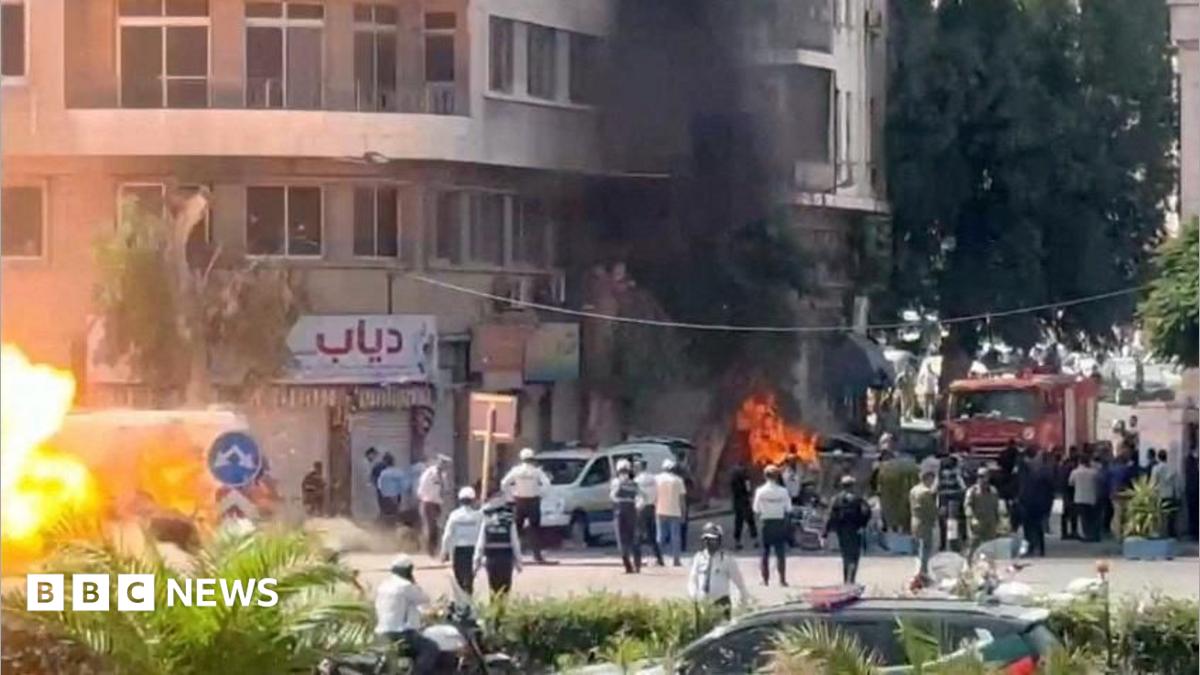
Macron was reported to be safe after explosions were heard in Damascus during the French president’s official visit, according to BBC News and other early accounts. The BBC said the noises were heard around the time of his arrival in the Syrian capital; those reports are preliminary and have not been independently verified.
Macron: Explosions in Syrian capital during visit
BBC News published accounts that explosions or loud blasts were heard in parts of Damascus while President Macron was in the city on an official visit. Security teams accompanying visiting delegations reportedly moved to confirm the president’s safety and review immediate travel arrangements.
Available reporting describes the sounds as blasts; precise details on timing and location remain unclear in early coverage. No authoritative confirmation tying the reported explosions to specific causes has been released by independent investigators.
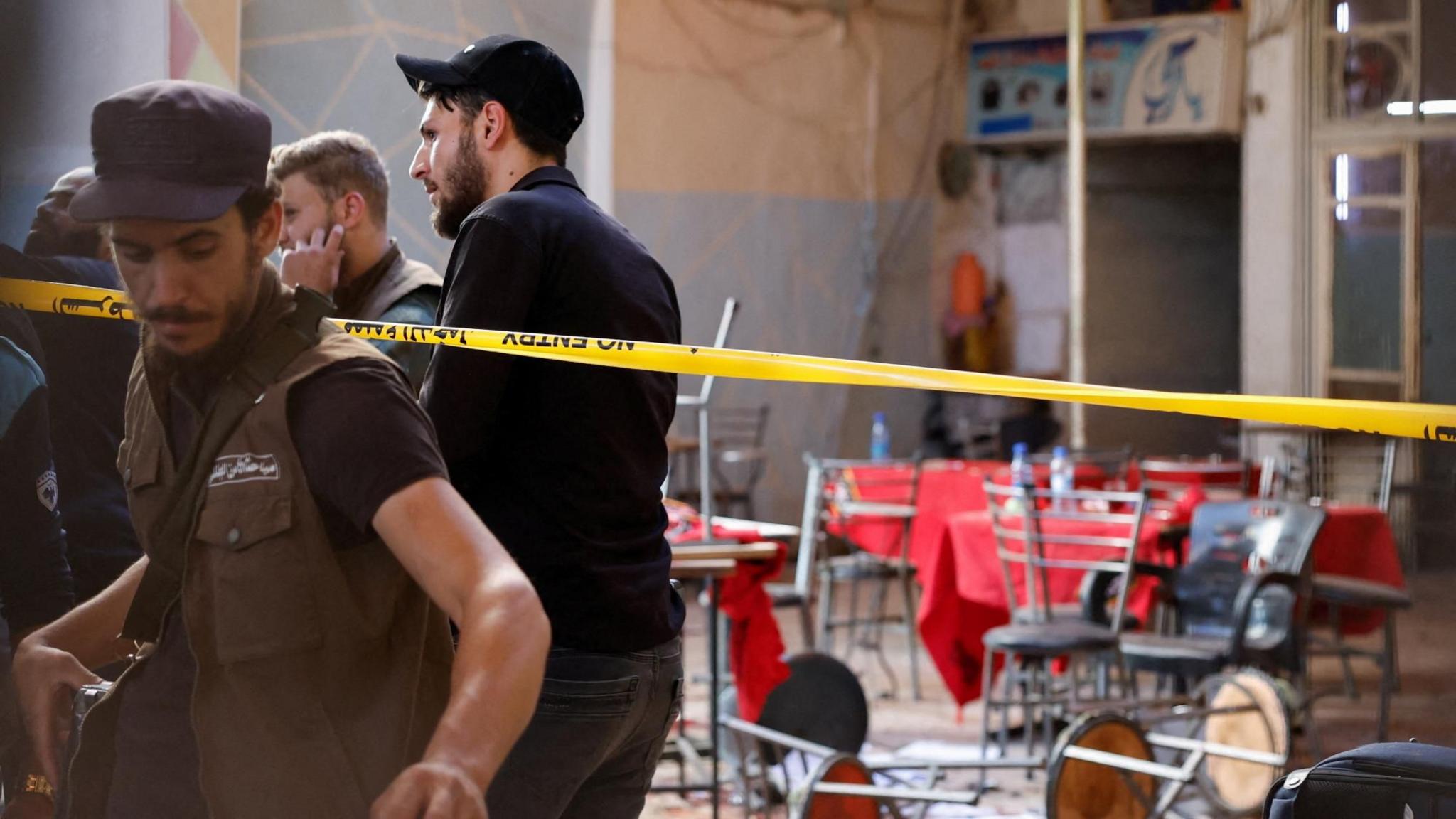
- Reported timing: Blasts heard around Macron’s arrival in Damascus, per BBC reporting.
- Immediate response: Delegation security carried out checks and coordinated with local authorities.
- Verification status: Accounts are preliminary and awaiting corroboration by independent sources.
State TV statement and presidential palace visit
Syrian state television broadcast that Syria’s president welcomed President Macron at the presidential palace during the visit. That official account described the scheduled diplomatic meeting; state TV’s statement appeared as reports of the blasts were circulating.
Because the state television notification and the accounts of explosions were released in the same narrow time window, media organisations noted overlap in the narratives. Independent confirmation of the timing and whether the palace reception and the blasts are directly related has not yet been established.
Why this matters for the visit and security
The presence of a visiting head of state in a capital where explosions are reported raises immediate security questions for both the visitor’s team and host authorities. Macron’s safety is the primary priority for diplomatic and security officials; early reporting indicates he was accounted for and described as safe by French sources, but those statements are preliminary.
Visits to capitals where security risks exist usually rely on layered protection measures: secure transportation routes, controlled perimeters around venues, rapid communication between host and visiting security teams, and contingency plans for shelter or departure. When unexpected incidents occur close to an itinerary, officials typically re-assess risk, verify the safety of all delegation members, and may alter plans until they can confirm conditions are safe.
For observers and governments, the immediate concerns are verifying the president’s wellbeing, determining whether the blasts presented a direct threat to the delegation, and establishing whether the incidents were isolated or part of a broader security event within the city.
What comes next
Further clarification is likely to come in several forms: an official statement from President Macron’s press office confirming his status and any changes to his schedule; a more detailed account from Syrian authorities about the palace event and any local incidents; and independent reporting from journalists on the ground to corroborate or refine early accounts.
Investigations into explosions typically involve local security forces and may include forensic work at reported blast sites. If warranted, international partners could be asked to assist or to share information gathered by diplomatic security teams. Any change to Macron’s itinerary or travel plans would normally be communicated formally by the French government.
Because available information is still evolving, readers should expect updates as official statements and independent verifications are published. News organisations often revise early accounts as new evidence becomes available.
Background on the setting
Damascus is the seat of Syria’s government and the location of the presidential palace, a focal point for formal diplomatic events. The security environment in the capital has varied over time; foreign visits there typically involve close coordination between the visiting country’s security detail and Syrian authorities to manage risks associated with travel and public events.
Context such as local security conditions, recent incidents in the wider region, and the logistics of high-level diplomatic travel help explain why rapid checks and updates follow any nearby disturbance during an official visit.
Source attribution
This article is based on an initial BBC News report published 7 July 2026. BBC reported that explosions were heard in Damascus during President Macron’s visit and noted that Syrian state television said the Syrian president had welcomed Macron at the presidential palace. These accounts remain preliminary and have not been fully confirmed by independent investigators.
Primary source: BBC News — https://www.bbc.co.uk/news/articles/c2eylx1jj9ko?at_medium=RSS&at_campaign=rss (report published 7 July 2026). All claims in this article that refer to blasts, timing, or official statements are described as initial reports and unverified at this time.
What comes next: watchers should look for formal statements from the French presidency, detailed accounts from Syrian authorities, and independent on-the-ground reporting to confirm the sequence of events and any implications for the visit.