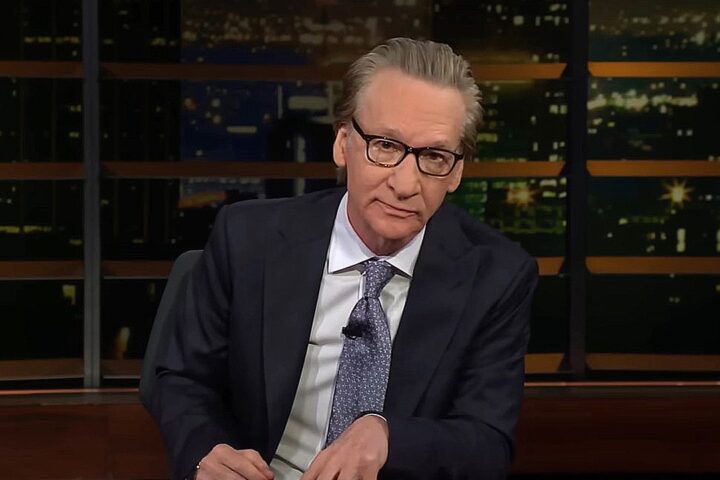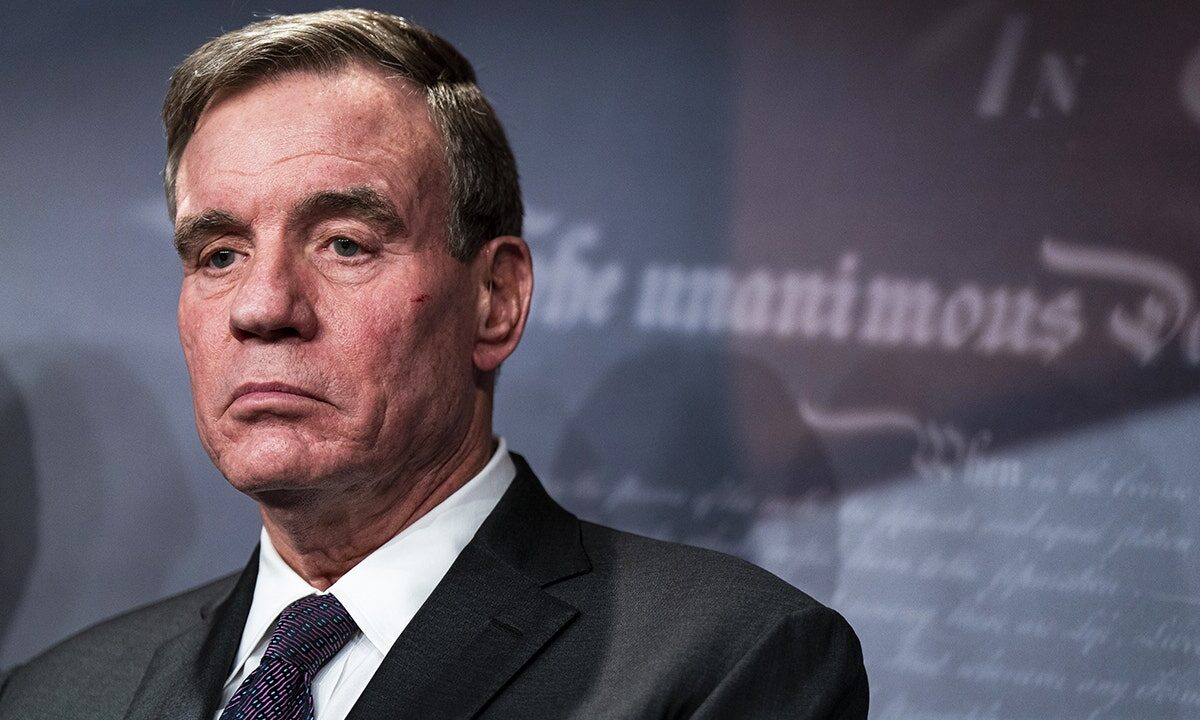
Sen. Mark Warner was corrected on live television about Virginia’s voter ID rules during an ABC News interview with anchor Jon Karl, a moment his Republican challengers quickly seized on to press him on the SAVE Act and election integrity. The brief exchange focused on whether Virginia requires a photo ID at the polls and what non-photo alternatives the state accepts.
Mark Warner on-air exchange with Jon Karl
In the interview, Jon Karl told Sen. Mark Warner that “you don’t need to show voter-ID in Virginia,” noting that the state accepts a range of documents. Warner initially spoke as if Virginia required a photographic ID before Karl interjected to correct him. The correction drew immediate attention from opponents and political commentators.
Warner has framed his opposition to the SAVE Act in part by arguing it could “disenfranchise married women and others,” a line he delivered during the interview and which opponents have reiterated as evidence of his stance. The senator’s critics described the on-air moment as illustrative of a disconnect between Warner’s public arguments and the mechanics of his state’s election rules.
How Virginia law actually handles voter ID
Virginia law directs election officials to request identification from in-person voters, but the list of acceptable documents includes several non-photo items, according to guidance from the Virginia Department of Elections. Common examples cited by state guidance include voter confirmation documents, utility bills, bank statements, government checks and paychecks.
If a voter does not present an acceptable form of ID, Virginia permits that voter to sign an ID Confirmation Statement — a sworn declaration — and cast a regular ballot. Voters who neither present ID nor sign the confirmation statement are allowed to cast provisional ballots, which local election officials examine after polls close to determine eligibility.
Those mechanics — the availability of non-photo options, the ID Confirmation Statement and the provisional ballot process — are part of why voters and advocates debate whether federal changes should impose stricter, photo-centric requirements. Supporters of tighter federal standards argue they strengthen integrity; opponents say they risk creating new obstacles for eligible voters who lack particular documents.
Opponents seize on the moment and push the SAVE Act
Republican challengers quickly used the exchange to demand that Warner either support the SAVE Act or explain his opposition. Marine Reserves Lt. Col. David Williams called it “astonishing” that a senior senator would be corrected on his state’s rules on air and urged an immediate vote on the measure.
Maj. Gen. Bert Mizusawa (Ret.) framed Warner’s answer as evidence the senator opposes steps he and other Republicans say are necessary to “secure America’s defining democratic process.” Tech executive Kim Farington and other critics also criticized Warner, saying Virginians deserve clarity about his understanding of state law.
The SAVE Act would require documentary proof of U.S. citizenship to register to vote in federal elections. Supporters say the change would tighten registration and reduce opportunities for fraud; opponents argue the measure could create additional hurdles for eligible voters. Claims that the SAVE Act would “disenfranchise married women” were raised by Warner in the interview and are presented here as his stated concern rather than as independently verified outcomes.
Campaign and voter impact ahead of 2026
The on-air correction hands Warner’s GOP challengers a compact talking point they can use in ads, speeches and fundraising appeals: that the senator either misstated or is unfamiliar with his state’s voting procedures. For challengers, the moment is useful shorthand to raise questions about competence and integrity as the campaign season escalates.
For Warner, the risk is messaging that amplifies a single exchange into a broader narrative about attentiveness to state issues. Campaigns often respond by tightening rapid rebuttal lines, releasing short video clips with context, and leaning on endorsements and ground operations to shift focus back to policy differences.
For voters, the episode underscores how technical questions about election procedures can be politicized. While the exchange itself is unlikely to determine the outcome of a statewide race, it can influence media coverage, donor interest and the framing of campaign ads — all of which matter in a competitive 2026 environment.
Political strategists note that quick rebuttals and clarifying statements from campaigns can blunt the impact of short televised exchanges. Still, opponents can convert a brief gaffe into a sustained criticism if they integrate it into broader messaging about voter access and election integrity.
Source attribution and next steps
This report relies on Fox News Digital’s coverage of the interview and subsequent reactions, and on voter ID guidance published by the Virginia Department of Elections. Fox News Digital reported it contacted Warner’s campaign for comment; Warner’s campaign was contacted and has been given an opportunity to respond.
Readers should expect follow-up reporting as campaigns issue statements, as the Virginia Department of Elections publishes further guidance, and as news outlets analyze the political fallout heading into 2026.