People smuggler links identified by a BBC investigation prompted the closure of two mini-marts in Leicestershire after the broadcaster said it had traced connections to convicted smuggler Twana Jamal, the report says. The BBC’s work sparked immediate practical action at the premises and raised questions for local residents, regulators and landlords.
The broadcaster’s reporting set out documents and transaction traces it said connected Jamal to the convenience stores. The closures followed publication of the investigation and were reported by the BBC as a direct response to the findings rather than the result of a court or regulator announcement detailed in the piece.
What the BBC found
The BBC reported that its investigation identified links between a convicted people smuggler and a network of businesses, including two mini-marts located in Leicestershire. The story describes researchers following ownership records, company filings and other documentary leads that, the broadcaster said, pointed to the shops.
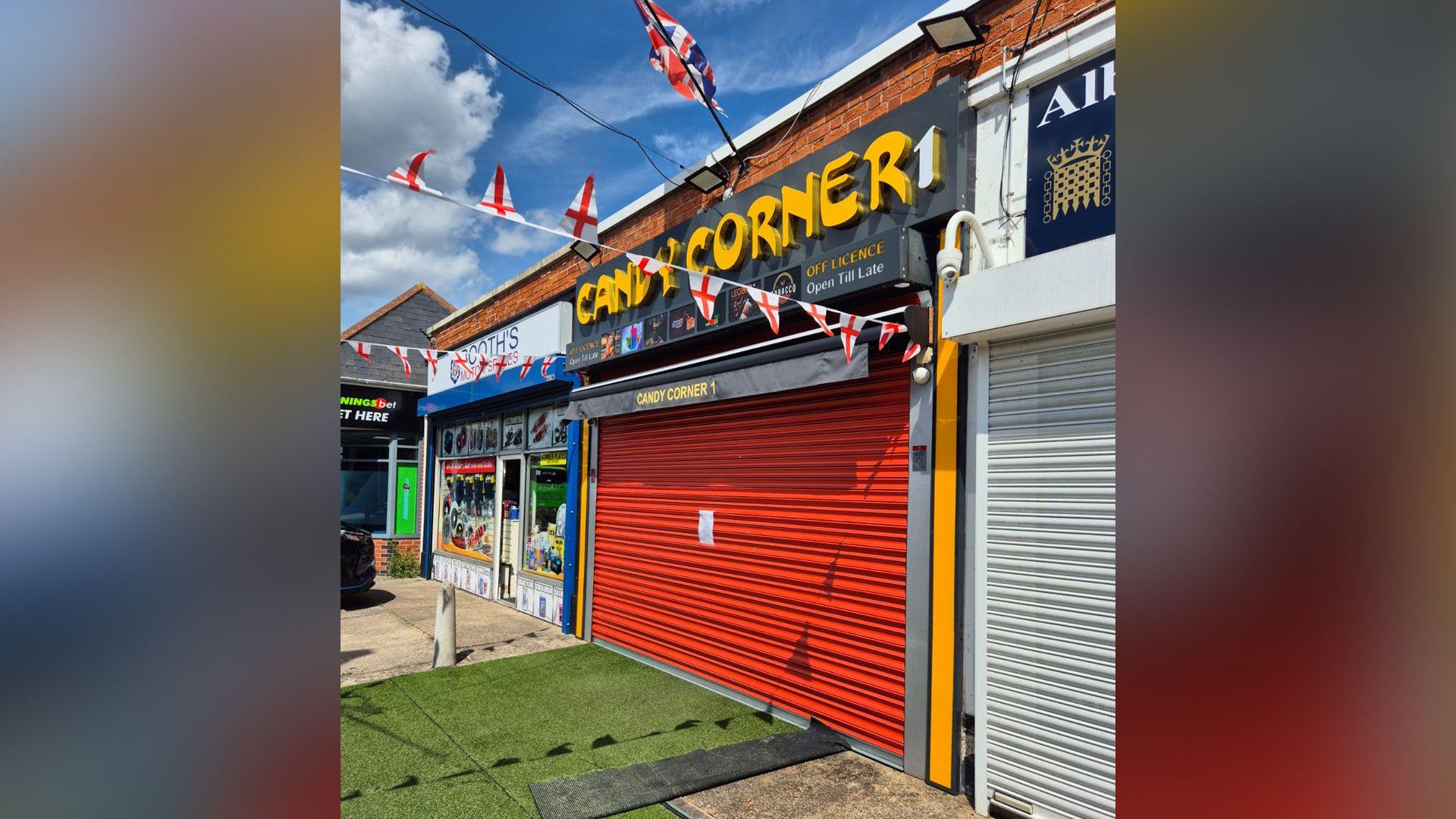
According to the BBC News – Top Stories item, the reporting team sought to verify those connections before publishing. The broadcaster published images and on-the-ground reporting from the areas around the identified premises and said both shops were closed after the findings became public.
The BBC account frames the links as the result of investigative tracing. It does not present new court judgments about the shops themselves in the piece; instead, it sets out the broadcaster’s evidence-gathering and the immediate consequences observed at the premises.
Who is Twana Jamal, the people smuggler
The BBC names Twana Jamal and describes him in the report as a convicted people smuggler. The coverage also records that he has been referred to in reporting as once being “the godfather” of French migrant camps. That phrase is a journalistic descriptor cited in the BBC piece and is not a legal label applied in court documents within the article.
The article situates Jamal in relation to earlier convictions reported by journalists and focuses on how investigative work has traced business connections back to premises in Leicestershire. Where the BBC reports allegations, it attributes them to its tracing and reporting rather than presenting them as established findings about the shops themselves.
How the shops were linked and closed
In its coverage, the BBC sets out how researchers followed documentary lines — ownership records, company filings and transaction traces — that it said connected Jamal to the two mini-marts. The reporting describes steps taken to verify those links before publication, and the broadcaster included photographic and local reporting from the sites it identified.
The BBC reported that both shops were closed after the broadcasting of its investigation. The closures were described as an immediate practical effect observed at the premises following publication. The piece does not, however, set out comprehensive details of formal enforcement, licensing revocations or completed legal transfers of ownership tied to the shops.
Staff, customers and nearby residents were reported to have been left with limited information in the immediate aftermath. The BBC’s on-site reporting provided local context on how the closures affected day-to-day trade and community activity around the shops in Leicestershire.
Why this matters locally
Reports linking a convicted people smuggler to local retail premises raise several local concerns in Leicestershire. Residents and shoppers often rely on small convenience stores for daily needs, and allegations of this nature can prompt questions about public safety and community confidence.
For landlords, councils and regulatory bodies, the story highlights the importance of due diligence on ownership, tenancy and licensing arrangements. When investigative reporting identifies unexpected connections, it can lead to reviews of records and more scrutiny of how small businesses are run and authorised in local areas.
The BBC’s reporting also illustrates how national investigative work can have immediate local effects, prompting community interest and official attention in a county such as Leicestershire where neighbourhood shops are integral to daily life.
What comes next
Readers should expect further reporting and any statements from Leicestershire authorities about inspections, licensing reviews or formal probes. The BBC said its investigation prompted the closures; subsequent official action, if any, would typically be announced by local councils, police or regulatory agencies and then reported by news outlets.
Possible next steps commonly include checks of business and company records, reviews of tenancy agreements and licensing documentation, and enquiries by enforcement bodies if irregularities are identified. The BBC piece does not set out that such official actions have concluded; it describes the broadcaster’s tracing work and the immediate closures observed at the shops.
Customers and landlords affected by the shop closures should look for official guidance from local authorities in Leicestershire. Those directly impacted may consider seeking formal documentation or advice about tenancy, licensing and any future reopening under different management.
Frequently asked questions
Who is Twana Jamal?
The BBC report names Twana Jamal and describes him as a convicted people smuggler. The broadcaster also notes he has been referred to in reporting as once being “the godfather” of French migrant camps; that label is presented in the BBC article as a journalistic description rather than a legal finding.
Why were the mini-marts closed?
The BBC said the two mini-marts in Leicestershire were closed after its investigation traced links to Twana Jamal. The closures were reported as immediate responses at the premises following publication of the investigative findings; the BBC’s account focuses on the traceroutes and local reporting rather than legal determinations about the shops.
What should local customers and landlords do now?
Customers seeking clarity should follow official updates from Leicestershire councils or the businesses involved. Landlords and tenants directly affected may wish to check tenancy and licensing documents and consider professional advice if they are uncertain about the implications of the reported links.
For the full investigative detail and the evidence the BBC sets out, see the broadcaster’s original reporting.
Source: BBC News – Top Stories