By The Nonstop News staff
The NFL Players Association is weighing whether to make grass fields a top bargaining demand in the next collective bargaining agreement, several unnamed NFLPA sources told Fox News Digital. That final decision is not imminent, the union sources said, but the issue has gathered momentum after temporary World Cup grass installs showed players and fans what natural turf can feel like.
Grass fields: player case and public push
Players have framed grass fields as a player-safety issue, saying natural turf is easier on joints and may reduce certain types of wear-and-tear injuries compared with older synthetic surfaces. The social-media push after the World Cup included high-profile posts from current and former players calling for more games on grass; one player on X wrote that seeing World Cup surfaces “reminded a lot of us what playing on grass feels like.”
George Kittle, who has publicly advocated for player-safety improvements in the past, summed up the sentiment on social platforms: “Seeing grass at the World Cup made a lot of players want it for our game.” That line of argument — safety and long-term durability for players’ bodies — is central to why NFLPA leaders are considering elevating grass fields into formal bargaining discussions, the unnamed union sources said.
World Cup test and MetLife reversals
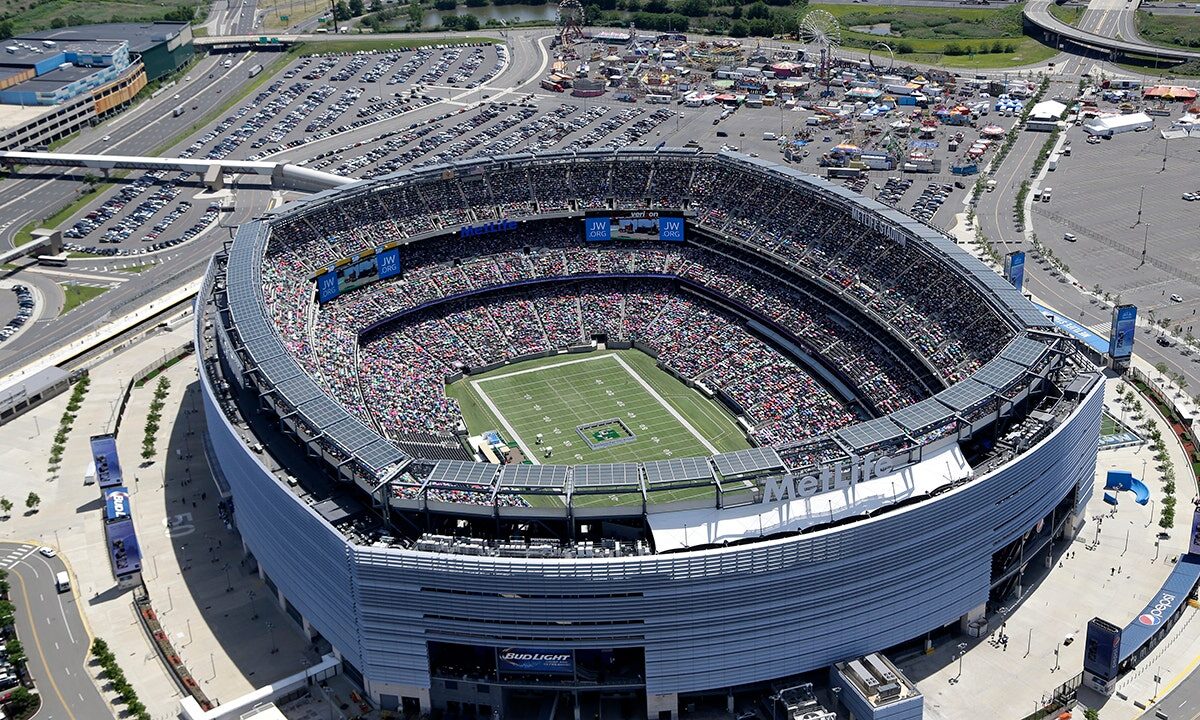
Concrete examples helped push the idea into public view. Several venues hosting World Cup matches were sodded with North Carolina Bermuda grass for the tournament, with MetLife Stadium serving as the site of the Final. The temporary grass installs gave many players and observers a direct comparison to typical NFL playing surfaces.
But the grass proved short-lived at many sites. Fox News Digital reported that MetLife will be converted back to synthetic turf for regular-season Giants and Jets play, and five other World Cup locations have already removed the interim grass and replaced it with artificial surfaces. Those rapid reversals illustrated both the appeal and the practical limits of switching surfaces in multi-use stadiums.
Why grass is complicated
Maintaining natural grass in NFL venues presents clear operational challenges. Teams that share stadiums, host concerts or face extreme seasonal weather must balance field health against revenue-generating events. Natural grass requires re-sodding, irrigation and downtime that synthetic turf typically avoids — and those costs are not trivial.
Stadium operators and owners also point to liability and consistency concerns: older-generation synthetic turf has been improved in some places, and new turf technologies are often chosen to withstand high event throughput without prolonged field closures. Those practical realities are why stadiums that tried grass for World Cup matches often reverted to turf afterward.
Costs and bargaining trade-offs
Owners are unlikely to accept a league-wide mandate for grass fields without bargaining for concessions in return. An unnamed NFLPA source told reporters that pushing grass in the CBA would “probably mean players giving up something else,” and industry analysts say that “something” is most frequently money or other economic concessions.
Negotiators could demand cost-sharing formulas for installation and maintenance at stadiums that currently use synthetic turf, or they could link a grass commitment to schedule changes or revenue-sharing arrangements. Possible owner counteroffers could include support for expanded international scheduling, changes to revenue distribution, or acceptance of an expanded regular season — the commonly discussed 18th regular-season game — as part of a broader package.
Those trade-offs present a core bargaining dilemma: prioritize short-term and long-term player health by pushing for grass, or preserve higher guaranteed compensation and other economic gains. Owners emphasize lost non-football revenue and added maintenance costs; players emphasize cumulative wear on their bodies over lengthy careers.
Negotiation paths and what could happen next
The current CBA runs through March 2031, giving both sides time to pilot agreements, collect data and build support before elevating grass fields to a top-tier demand. Short-term paths likely include targeted stadium agreements, league-sponsored cost-sharing pilots, or limited protections for games played on natural turf rather than an across-the-board mandate.
Union officials could pursue a phased approach: secure pilot funding for a handful of willing stadiums, commission independent studies on injury rates and field performance, and then use empirical results as bargaining leverage in later negotiations. Conversely, owners could push back hard and demand offsetting economic terms if grass becomes a bargaining priority.
Short-term indicators to watch include any team-level decisions to retain grass at a single stadium, public cost estimates from the league for annual installation and upkeep, and early signaling from NFLPA leadership about which other priorities they might be willing to trade away.
“That’s a hope, and hope is not often a good strategy for getting what you need,” an NFLPA source said when asked whether owners would voluntarily keep grass after the World Cup.
Reporting for this analysis is based on a Fox News Digital report and multiple conversations with unnamed NFLPA sources. The Fox report is the primary published source for the initial reporting; follow-up confirmation and negotiations will depend on league and union disclosures in the months ahead.
In short: a league-wide grass-fields mandate is not imminent. The proposal has visibility and some player backing, but making it a formal CBA demand would likely require players to relinquish other priorities or accept financial offsets. Any final decision will be the product of trade-offs rather than a simple win for either side.
Source: Fox News Digital