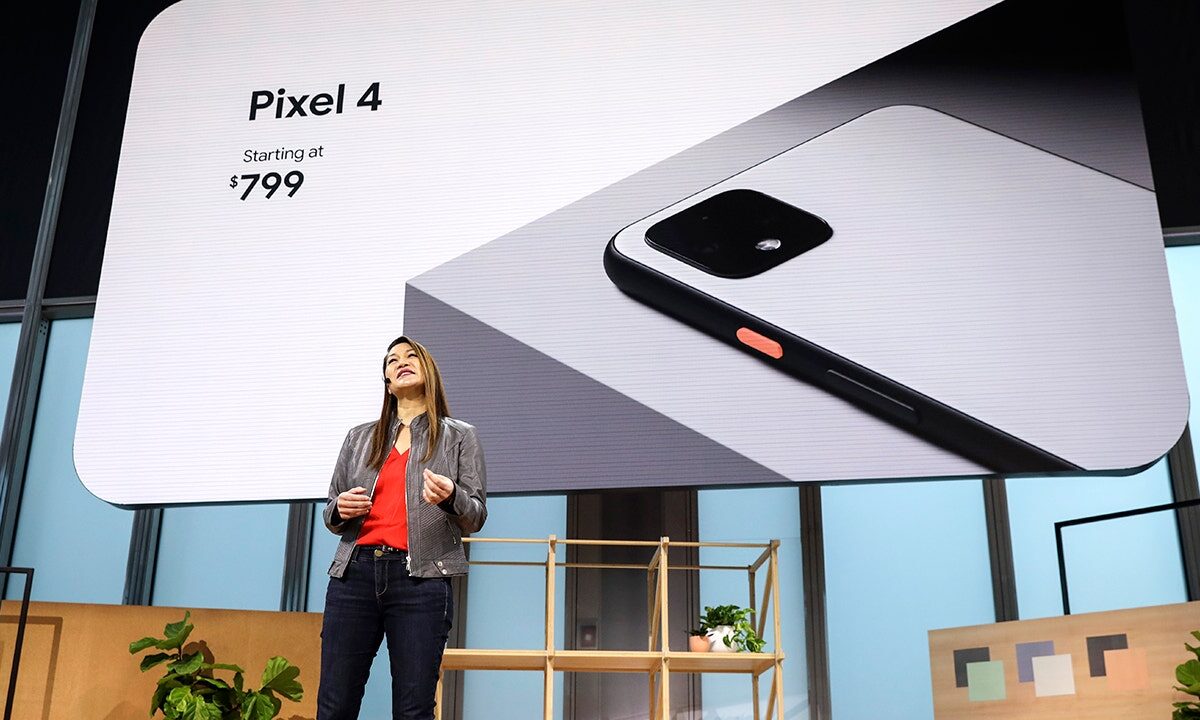
Phone cluster computing: Google and the University of California San Diego announced plans to build a data center out of 2,000 Pixel phone motherboards by fall 2026 to support teaching and research. The project aims to repurpose retired Pixel hardware into a low-cost, lower-carbon compute platform for classroom use and lightweight research workloads.
What UC San Diego plans
UC San Diego’s build is framed as an educational and research platform rather than a replacement for commercial cloud providers. According to Google’s public description reported by Fox News, the 2,000‑board cluster is scheduled for fall 2026 and intended to support roughly 100 simultaneous classes, primarily for grading pipelines, batch jobs and other teaching-focused compute tasks.
Google reports the cluster could provide the equivalent of about 50 traditional server instances based on its internal experiments. Those figures come from Google’s early testing and are presented here as claims; independent benchmarking and lifecycle studies are needed to confirm capacity and cost figures.
Phone cluster computing: How phone boards are reused
The reuse workflow strips phones down to their motherboards by removing batteries, displays, cameras and enclosures so only the board that carries the processor, memory and storage remains. Engineers then flash a general-purpose Linux distribution to each board so it can run containers and standard server software.
Kubernetes or similar container orchestrators coordinate workloads across many boards, grouping devices into clusters that present as collections of small, networked Linux machines. Google’s experiments describe grouping boards into clusters of roughly 25–50 devices that self-manage tasks such as grading jobs or batch research pipelines.
Performance, scale and limits
Smartphone cores have improved enough that, on many single-thread SPEC-style tests, modern phone CPUs can match or sometimes exceed the per-core throughput of older or baseline server cores. Google’s reporting references SPEC comparisons where a 2023 Pixel Fold’s performance cores outperformed a baseline server core on several tests; see SPEC for benchmark methodology (https://www.spec.org).
Important limits remain. Phone motherboards typically offer less memory per board, fewer total cores, and lack data-center management features such as out-of-band management and hot-swap components. That makes them a poor fit for memory-heavy, long-duration enterprise services and for GPU-accelerated AI training.
Lab-scale experiments cited by Google included a 20-phone cluster that handled grading bursts for classes of more than 75 students with competitive latency versus a default AWS backend in the same tests. These are promising prototype results, but they do not guarantee equivalent reliability or cost-effectiveness at the 2,000‑board scale: cooling, failure rates, replacement logistics and maintenance labor may change the economics.
Carbon, e-waste and cost context
Google frames reuse as a carbon-saving move because the motherboard contains a substantial share of a phone’s embodied carbon; reusing those components can avoid manufacturing emissions associated with new server parts. That claim about embodied carbon is reported from Google and should be validated by lifecycle analysis.
The broader e-waste context matters. The Global E-waste Monitor warns that global electronic waste is rising and sustainable reuse and recycling are essential (https://globalewaste.org). Repurposing working motherboards can reduce waste if programs ensure safe teardown, accurate failure tracking, and responsible end-of-life recycling for parts that cannot be reused.
Cost tradeoffs depend on teardown labor, repair and replacement rates, energy efficiency at scale, and operational overhead for many small machines versus fewer standard servers. For some teaching workloads, phone clusters may be lower-cost; for others, centralized cloud or conventional servers will still be more practical.
Security, logistics and classroom tips
Device preparation is critical. Donors and users must back up personal data, sign out of accounts, and securely wipe devices before teardown to prevent accidental data exposure. Institutions should require certified wiping procedures and maintain auditable records of device provenance.
Teardown introduces safety and labor needs: lithium batteries need safe handling to avoid fire risks, and removing screens and cameras is delicate work best done by trained technicians or certified refurbishers. Programs should document workflows for teardown, testing, labeling, and tracking failures over time.
For instructors, match assignments to hardware strengths: short-lived, single-threaded tasks and many small containerized jobs fit best. Build redundancy and graceful degradation into grading pipelines so a handful of failed boards does not block student submissions.
Caveat on claims and verification
The capacity and environmental claims described above—about ~50 server-equivalents, supporting ~100 classes, and specific cluster test results such as a 20-phone cluster—originate from Google’s reporting as covered in the Fox News story linked below. These figures are preliminary and should be treated as Google-reported results pending independent verification. Observers should look for third-party SPEC-style benchmarks, university-published uptime and failure-rate statistics, and independent lifecycle analyses of embodied carbon savings before generalizing the results.
What comes next
The UC San Diego deployment will be an important real-world stress test. A 2,000‑board installation will reveal how reliability, cooling, maintenance labor, and long-term costs behave at scale. If the experiment proves robust, other universities and research labs may pilot similar reuse programs, but wider adoption should follow only after independent benchmarking and published lifecycle assessments.
FAQ
What is phone cluster computing and how does it work?
Phone cluster computing repurposes smartphone motherboards by removing batteries, screens and cameras, installing Linux, and coordinating many boards with container orchestration (for example, Kubernetes) so they behave like a collection of small servers for parallel, lightweight workloads.
How will UC San Diego use the 2,000-phone cluster in classes?
The university plans to use the cluster for computer science courses and research workloads that fit within phone hardware limits. Google says the cluster could support roughly 100 classes at once for grading, batch jobs and similar tasks, but those capacity numbers are Google-reported and need outside verification.
Are reused phone motherboards secure and reliable for research workloads?
Security and reliability depend on secure wiping, account sign‑out, safe teardown, and continuous testing. Phone boards lack some data-center durability features, so programs must plan for redundancy, monitoring, and maintenance to manage failures and safety risks.
Source attribution
Primary reporting on the project comes from Fox News: Google turns old phones into cloud servers. Context on electronic waste comes from the Global E-waste Monitor (https://globalewaste.org). Benchmark methodology referenced above follows SPEC guidance (https://www.spec.org). Claims about capacity, performance and embodied carbon are reported from Google and are identified above as pending independent verification.