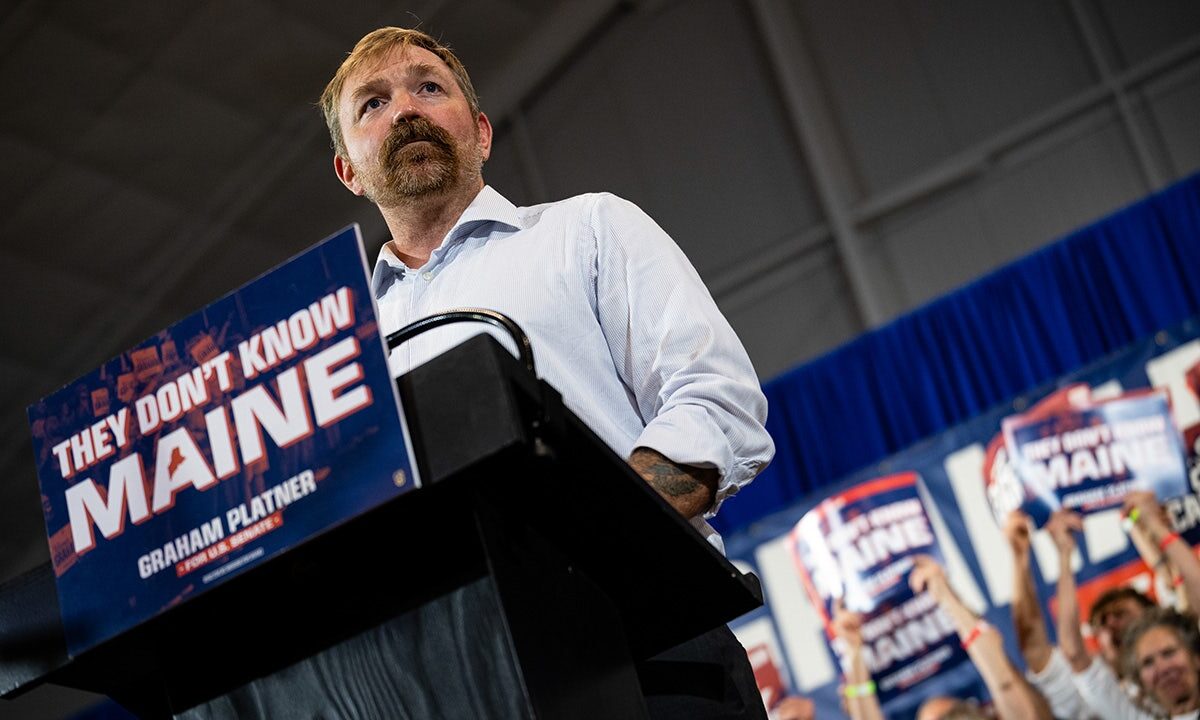
Graham Platner’s withdrawal from the Senate race after allegations of sexual assault has left the Maine Democratic nomination suddenly open and forced party leaders to move quickly to avoid a closed, last-minute selection that could cost the party credibility and votes in November.
The exit removes a previously prominent progressive option and creates a narrow window for Democrats to pick a nominee who can both unify the party and compete against incumbent Sen. Susan Collins, a proven statewide vote-getter who appeals to independents and moderates.
Maine Democratic nomination: the immediate impact
Platner’s decision to step away — described in source coverage as prompted by allegations that remain allegations and are not adjudicated here — abruptly changes what had been a likely nomination pathway. The practical consequence is immediate: the party must replace an apparent front-runner with a candidate who can knit together progressive energy, establishment support and the independent voters Collins relies upon.
That dynamic matters because Collins has consistently positioned herself in the center on many statewide votes, making her especially difficult to beat without a candidate who can both hold the Democratic base and reach independents in rural and suburban areas.
Who could step in as the Maine nominee
Several names have surfaced repeatedly in media coverage and political conversations as plausible replacements. Reports to date list these figures as potential options; none had a formal, confirmed campaign at the time of reporting in the source material summarized for this piece.
- Gov. Janet Mills. The sitting governor brings statewide name recognition and executive experience that could reassure moderate voters and donors concerned about immediate electability.
- Rep. Jared Golden. A U.S. House incumbent from Maine’s 2nd District, Golden has experience campaigning in large, rural areas and may appeal to independents and swing voters.
- Nirav Shah. A former state health official and public-health administrator with technocratic credentials; Shah’s administrative background could be framed as steady governance in a high-stakes race.
- Shenna Bellows. Maine’s Secretary of State, Bellows has experience with election administration and statewide visibility that could translate into a disciplined, detail-oriented general-election campaign.
- Troy Jackson. A state senator and former Senate president, Jackson is a well-known progressive who could consolidate much of Platner’s base but would face questions about broader statewide appeal.
Each prospective candidate presents trade-offs. Governors and congressional incumbents generally start with higher name recognition and donor networks; technocratic or administrative figures can sell competence; prominent progressive legislators can mobilize base turnout. The central strategic question is whether to prioritize raw enthusiasm and base turnout or a centrist appeal to independents who have decided many Maine statewide outcomes.
Why a centrist path is being urged
Many strategists argue a centrist nominee offers the best route to defeat Sen. Susan Collins because Collins’s electoral strength stems from her ability to win over independents and moderate Democrats. In several recent cycles, Collins carried voters who prioritize pragmatic, bipartisan problem-solving over ideological purity.
A centrist Democratic nominee could blunt the narrative that Democrats have moved sharply left and might retain swing voters who previously supported Collins. That argument does not guarantee victory, but it shapes calculations about which candidate is most likely to win statewide — particularly in Maine’s mixed urban-rural electorate.
Opponents of a centrist-first strategy counter that enthusiasm from the progressive base fuels turnout and small-dollar fundraising; they argue the party also needs an energized ground game. The choice is fundamentally a risk assessment about turnout vs. persuasion in a state where independents play an outsized role.
A two-week open nominating plan Democrats should follow
With roughly 14 days to name a replacement, transparency and visible vetting can help the party avoid accusations of back-room deals and provide the winner with a clearer mandate. A practical, expedited plan should include:
- Open filing with a public calendar for candidate announcements and campaign paperwork to ensure an even playing field.
- A rapid series of town halls across Maine’s regions so voters can meet contenders directly and test message resonance in both coastal and inland communities.
- Regional rallies and briefings to assess organizational strength, volunteer networks and fundraising capacity.
- A televised or widely streamed debate or forum, if feasible, to allow direct contrasts on issues and readiness for the general election.
- Transparent vetting materials for delegates and the public, focused on records, readiness to run a statewide campaign and ability to raise necessary funds.
Proponents say this approach functions as closely to a primary as time permits and gives party members and voters a defensible process that balances speed with scrutiny.
Poll note and other unverified claims to watch
Separately, one report referenced a poll showing Abdul El‑Sayed leading Haley Stevens by five points in a Michigan contest. That specific poll figure was presented in commentary and was not accompanied in the source material with identifying poll methodology, sample size or sponsor. Treat that numerical claim as unverified here until the underlying poll name and methodology are publicly available.
Likewise, the sexual-assault allegations tied to Platner are reported allegations that have led to his withdrawal; they remain allegations and have not been adjudicated. This article reflects reporting of decisions and reactions rather than legal conclusions.
What comes next and why the process matters
The next two weeks will shape who tops the Democratic ticket and whether Democrats can present a unified front. A rushed, closed selection risks alienating key constituencies; a transparent, rapid process can rebuild trust and produce a candidate with a clearer mandate to challenge Collins.
Watch for formal campaign filings, public announcements from the named figures, and any scheduling details released by the Maine Democratic Party. The party’s choices on timing, openness and communication will affect fundraising, volunteer mobilization and the ability to define the narrative heading into November.
Source attribution
This piece synthesizes original reporting and analysis summarized from Fox News: DOUG SCHOEN: Far-left gamble in Maine blows up, leaving Democrats with one choice. Where claims (notably the cited poll figure) lacked underlying poll naming or methodology in summarized coverage, those claims are flagged here as unverified and should be confirmed from the original poll sponsor before citation.
Next steps for readers: monitor official filings and statements from the Maine Democratic Party and the named prospective candidates, and expect rapid scheduling of public vetting events in the coming days.