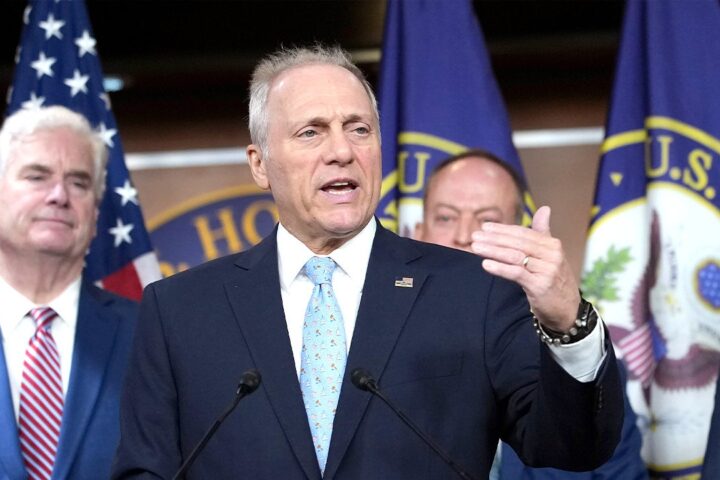
Iran flying IRGC personnel to Yemen: Rubio claim
Rubio said, “They decided to send direct flights from Tehran into Yemen, carrying IRGC elements and others into the country.” He connected those alleged transfers to a broader pattern of Iranian support for proxies across the region and said U.S. officials had been in regular contact with Saudi counterparts about the threat. Rubio did not identify specific flights, passenger numbers or provide documentary evidence in his public remarks.
That lack of publicly presented evidence means the claim remains unverified. Independent confirmation — for example, passenger manifests, satellite imagery, or corroborating statements from third-party officials — has not been provided in Rubio’s comments as of publication.
Houthi actions and the Red Sea threat
The Houthi movement in Yemen has announced actions targeting vessels it says are linked to Saudi Arabia or en route to Saudi Red Sea ports. The Houthi-run SABA news agency reported that six vessels altered course after warnings from the group; that SABA report has not been independently verified. Regional authorities and commercial operators are monitoring shipping movements closely through the Bab el-Mandeb Strait, a narrow chokepoint that links the Red Sea to the Gulf of Aden.
Ship diversions and the declaration of warnings around Bab el-Mandeb have raised concern because the route is a major global trade corridor. Disruption there can force longer detours, increase fuel and insurance costs for shippers, and ripple through global supply chains.
Recent attacks and regional responses
The situation escalated after a strike on Sanaa airport that the Houthis said targeted a flight associated with their leadership; competing accounts exist about the event and responsibility remains contested. The rebels have also launched missiles and drones at Abha International Airport in Saudi Arabia and at other targets, marking one of the most serious recent rounds of confrontations between the parties.
Saudi officials have vowed to respond to threats against commercial shipping and to protect routes used for exports. Regional partners and international maritime organizations have urged caution and stepped up monitoring to reduce risks to civilian vessels.
U.S. strikes and wider military moves
The tensions come as the U.S. military has carried out repeated strikes it says targeted Iranian military capabilities. U.S. Central Command (CENTCOM) described recent operations as part of multiple nights of actions aimed at degrading specific threats; CENTCOM said the operations struck aircraft hangars and drone storage sites identified as potential sources of attacks. See U.S. Central Command: CENTCOM for official statements and updates.
U.S. officials framed the strikes as limited efforts to reduce imminent threats. Rubio and other U.S. policymakers have warned of further consequences if Tehran continues to support groups that threaten regional security. These U.S. statements corroborate only the strikes and targets as described by U.S. military officials; they do not independently confirm Rubio’s allegation about flights into Yemen.
Why it matters for shipping and global trade
Rubio warned of broader consequences if Iran or its proxies gain leverage over key waterways. “Anything that restricts shipping through the Red Sea would be problematic for the same reasons that the Strait of Hormuz is problematic,” he said, adding that allowing any state to control an international waterway would set a dangerous precedent.
The Bab el-Mandeb and the Strait of Hormuz are vital maritime chokepoints. Disruption there can force longer detours, raise shipping costs and ripple through global supply chains—affecting energy supplies and consumer goods alike. Policymakers warn that prolonged tensions could increase insurance rates and slow deliveries for traders and manufacturers worldwide.
What comes next
Officials on all sides appear to be weighing options. Saudi Arabia has reiterated it will protect commercial traffic. The U.S. has said it will act against identified threats, while diplomatic efforts and allied consultations continue. The risk of further escalation remains; much depends on whether independent evidence emerges to corroborate allegations of Iranian personnel transfers and on how regional actors respond to continued Houthi warnings and attacks.
President Donald Trump said the Houthi threat had not yet fully materialized and that the U.S. would “take care of business” if it does. Policymakers including Rubio are pressing for international coordination to keep maritime routes open and to deter actions that could broaden the conflict.
Verification and source notes
The central allegation — that Iran has flown Islamic Revolutionary Guard Corps personnel into Yemen — was made publicly by Sen. Rubio but was not accompanied by named flights, passenger figures, or documentary evidence in his remarks. This piece treats Rubio’s comments as an allegation and notes that independent confirmation is necessary before treating the claim as fact.
The SABA news agency’s report that six vessels changed course after Houthi warnings has not been independently confirmed. U.S. Central Command has issued public statements about operations it says targeted Iranian military capabilities; those CENTCOM statements describe the strikes and identified targets but do not address allegations about personnel flights to Yemen.
Readers should treat the claims about flights into Yemen as unverified and watch for further reporting and official documentation (e.g., flight records, third-party imagery or corroborating government statements) that could substantiate or refute the allegation.
FAQ
What happened with Iran flying IRGC personnel to Yemen?
Sen. Marco Rubio publicly alleged that Iran sent direct flights from Tehran to Yemen carrying members of the Islamic Revolutionary Guard Corps. He did not provide evidence, flight details or passenger numbers in his public remarks; that allegation remains unverified.
Why does Iran flying IRGC personnel to Yemen matter?
If confirmed, such transfers could indicate deeper Iranian involvement in Yemen’s conflict and raise the risk of broader regional escalation. The dispute also threatens shipping through the Bab el-Mandeb and the Red Sea, important routes for global trade.
What happens next?
Authorities are monitoring maritime traffic and regional military activity. Saudi Arabia has pledged to help keep shipping lanes open, and the U.S. has conducted strikes it says target Iranian capabilities. Further diplomatic and security steps are likely as officials seek to prevent disruption of international waterways.
Source reporting used in this article: Fox News (original report on Rubio’s statement), the Houthi-run SABA news agency (reporting on vessel diversions) and public statements from U.S. Central Command regarding recent strikes. Claims about Iran flying IRGC personnel into Yemen are allegations that have not been independently verified as of publication.