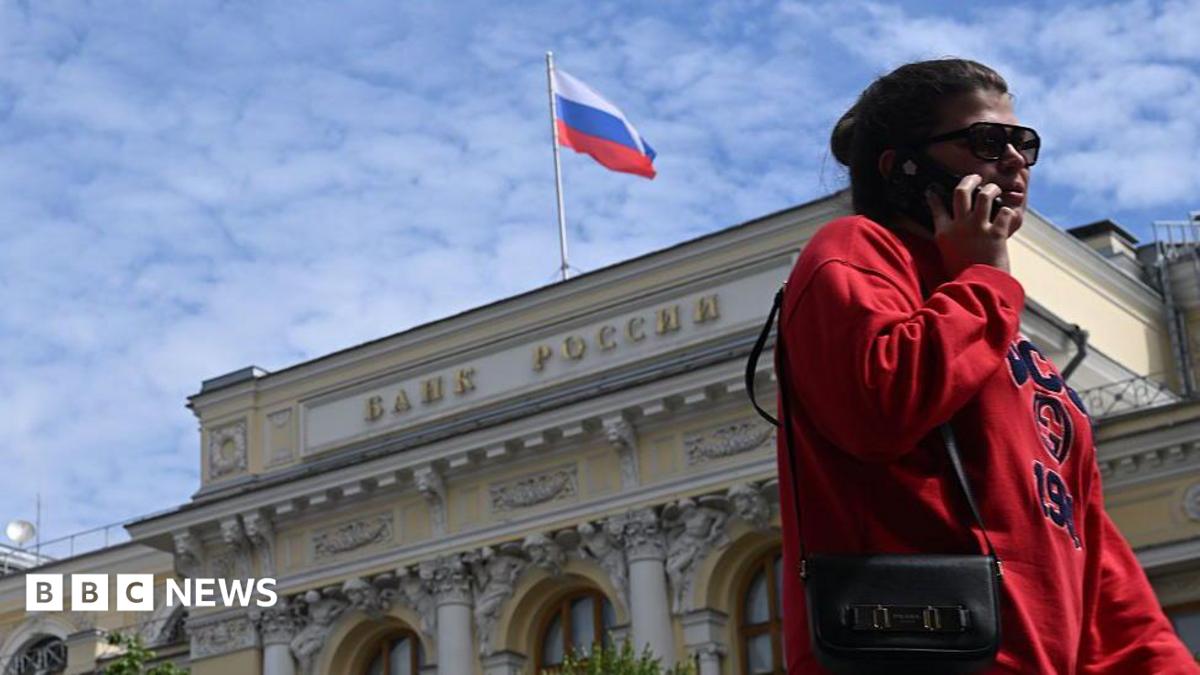
Russians are increasingly reverting to cash for everyday payments as mobile internet outages and reporting that some businesses may prefer cash change how people pay. The move back to cash is being described as a coping response to disrupted digital payments and to concerns about traceability; analysts and officials warn it adds strain to a wartime economy that is already slowing.
Why more Russians are using cash
Multiple factors are converging to push people toward cash. First, intermittent mobile internet shutdowns and local connectivity problems have interrupted banking apps and mobile point-of-sale services, making card and app payments less reliable. When digital systems are unavailable, cash becomes the default, low-friction option.
Second, the reporting that has drawn attention suggests some merchants may be increasing unrecorded, cash-based transactions. Those reports are presented by the BBC and other outlets as allegations and are not independently verified here; they should be treated as part of the picture rather than established proof of widespread tax avoidance. Still, the perception that cash can reduce the visibility of sales appears to influence choices by some businesses and customers.
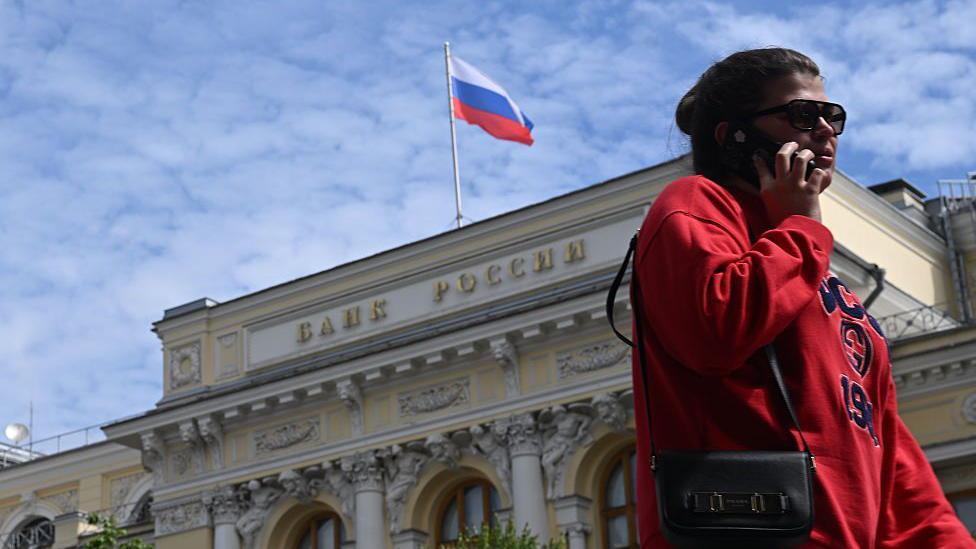
Third, the broader context of an economy shaped by years of war and sanctions has heightened uncertainty. Households and small firms often prefer immediate settlement and anonymity in troubled times, and cash offers both. That preference can be reinforced by a lack of trust in the continuity of digital services and by a desire to simplify day-to-day budgeting when income is volatile.
How the shift affects daily transactions
For ordinary consumers, using more cash changes the shopping routine: people need to carry more notes, plan for limited change at small vendors, and lose the automatic records that cards and apps provide. That can make budgeting harder for households that rely on digital transaction histories to track spending.
Merchants face practical frictions too. Card readers and mobile terminals lose functionality when networks are unstable, causing longer queues, declined payments, and frustrated customers. Some businesses will keep larger cash floats to cope with demand, which raises their exposure to theft, increases the time staff must spend on counting and reconciling cash, and potentially raises costs for secure transport and banking.
The effects are most acute for small retailers and market stalls that previously invested in digital payments to speed service. If customers increasingly demand cash, those merchants must weigh the costs of handling cash against the risk of losing sales from customers who prefer or only have cash.
There are also downstream operational impacts: banks and ATM networks may see higher withdrawal volumes, straining cash logistics—refilling machines, transporting notes, and managing branch cash supplies. That can increase the costs for financial institutions and, indirectly, for consumers.
Wider economic impact and verification limits
From a macro perspective, a shift toward cash can make it harder for authorities to monitor economic activity, weakening tax administration and complicating fiscal planning. In a wartime economy already facing reduced growth and higher budgetary demands, a rise in unrecorded activity could further tighten fiscal space if it meaningfully reduces tax receipts.
However, confirming the scale and persistence of any such effect requires detailed, systematic data that are currently limited. The BBC’s reporting highlights allegations about increased cash use and possible tax-motivated behavior by some firms, but causal links between those allegations and larger fiscal outcomes are difficult to prove without broader payment and tax-collection statistics.
Reporting constraints include patchy public data on payment mix and a rapidly changing operational environment. Short-term spikes in cash use after outages could look alarming but may not indicate a permanent regression in payment habits. Analysts therefore urge caution when extrapolating immediate observations into long-term economic trends.
What comes next for consumers and businesses
Near-term scenarios depend on both technical conditions and policy responses. If mobile networks stabilise and digital payment providers improve offline or fallback options, many consumers and firms may return to cards and apps. Conversely, if outages continue and enforcement of tax rules on cash-heavy sectors remains limited, cash use could stay elevated.
Concrete steps consumers can take: keep a small emergency cash reserve, confirm payment options with merchants before making big purchases, and use transaction records where possible to protect consumer rights. For businesses: strengthen cash-handling protocols, secure tills and storage, keep clear internal records of cash sales, and consider hybrid payment solutions that work offline or log transactions until connectivity returns.
Policymakers have several levers. Improving network resilience and encouraging reliable offline-capable payment systems can reduce the need for cash. At the same time, targeted audits and simplified reporting for small businesses can limit incentives for unrecorded transactions while avoiding punitive measures that could push firms out of the formal economy.
Questions readers ask
What happened with cash? Reporting indicates an uptick in cash use in Russia tied to mobile internet disruptions and to allegations that some firms are preferring cash; those allegations are reported by the BBC and are presented here with appropriate caution.
Why does cash matter? Cash changes how transactions are recorded and managed. More cash can complicate tax collection, increase security and operational costs for businesses, and reduce the consumer protections and convenience of digital payments.
What happens next? Watch for repeated connectivity failures, official statements on payment-system resilience, and enforcement actions focused on cash-heavy sectors. Those signals will indicate whether cash use is a temporary coping mechanism or a more durable shift.
Source: BBC News — Russians turn to cash, putting more strain on slowing wartime economy. The article above summarizes that reporting and stresses caution around allegations that have not been independently verified here.