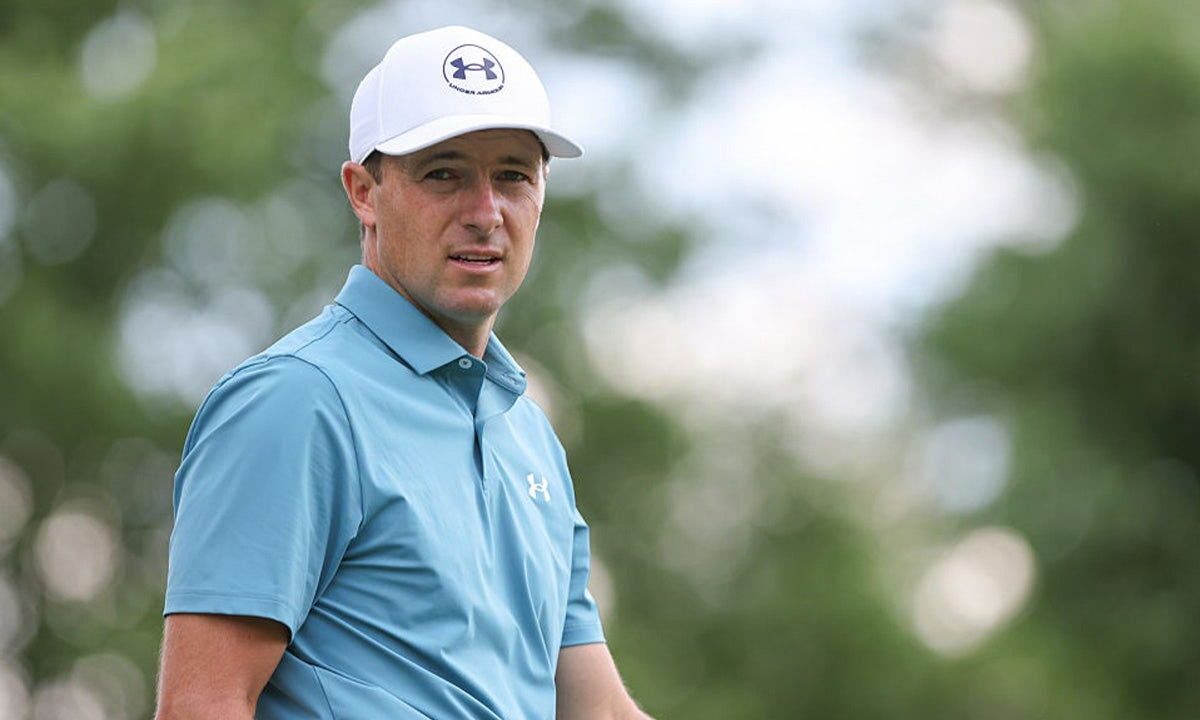
Jordan Spieth warned this week that gambling in golf may be helping fuel rowdier crowds, urging the sport to confront the issue ahead of the John Deere Classic at TPC Deere Run in Illinois. Spieth — who has had past ties to FanDuel — framed his comments as a call for proactive steps rather than a definitive causal claim: he said the link between betting and crowd behavior is a concern that “has to be tackled here soon.”
Spieth’s comments landed as tournament organizers and tours weigh how to preserve player safety and competitive integrity. He told reporters that while vitriol from crowds is not entirely new to golf, the ubiquity of legal wagering and in-play markets in recent years changes incentives for some spectators and may increase the chance that hostile, targeted behavior will affect play.
Spieth on gambling in golf
“I do think that betting in golf is something that’s going to have to be tackled here soon,” Spieth said, noting that the last five years have seen a notable expansion in betting options. He emphasized that this is his assessment of trends and possibilities rather than a forensic conclusion about any single incident: “I don’t know how much of any one episode was betting-driven,” he added, “but I do think the framework has changed.”
Spieth pointed to golf’s unusual vulnerability: a single spectator in close proximity can, in theory, disrupt a shot. He described concern for players who face jeering or sustained distraction at moments when precision matters most, and urged leaders to consider a combination of deterrence and partnership with betting operators to reduce risks.
How gambling in golf has expanded
Policy changes since 2018 have made sports wagering far more accessible. Betting is legalized in 39 states, with online wagering available in 32 states, including Illinois. That expansion has lowered barriers to placing bets and increased the number of casual fans who can take quick, in-play positions on outcomes and props.
Operators and apps including FanDuel, where Spieth previously served in an ambassadorial role, now promote a near-instant engagement model: prop markets, hole-by-hole wagers and in-play lines that move in real time. Industry observers say these developments can change how some spectators experience a tournament, though whether that translates to widespread misconduct is a matter of debate among players, media and integrity officials.
Wyndham Clark and crowd behavior
Spieth referenced Wyndham Clark’s treatment at the U.S. Open as an example that crystallized concerns. Clark encountered intense jeering at Shinnecock Hills; Spieth said he did not have evidence that betting directly caused those jeers but warned that the introduction of financial incentives for specific outcomes raises the stakes for organizers when assessing crowd risk.
Golf’s combination of long sightlines, scattered crowds and crucial single-shot moments means even brief disruptions can have outsized competitive impact. Spieth argued that protecting fairness and safety requires rethinking stewarding practices and potential integrity-monitoring partnerships as betting markets mature.
Reactions from media and players
The debate has prompted a range of responses. Golf Channel commentator Eamon Lynch used strong language, calling certain Long Island crowds a “stain” on the game in commentary tied to Ryder Cup-related episodes; that remark drew immediate discussion about regional stereotypes and how critics describe fan behavior. The use of the word was Lynch’s characterization, and others have pushed back, saying regional fans are not uniformly culpable.
Players and commentators are split: some describe fans as passionate and part of the sport’s atmosphere, while others warn that a minority of disruptive spectators can create safety and integrity risks that tournaments must address. Several voices have urged clearer enforcement of conduct rules, better stewarding near vulnerable holes, and more education for fans about acceptable behavior.
Why it matters for integrity and safety
The concern is not just reputational. If individuals or groups act to affect the outcome of a hole or round, whether motivated by betting or other reasons, the result can be an undermining of competitive integrity. Tournament organizers also face a duty of care to players and officials: increased hostility or targeted harassment raises real safety considerations.
That combination — proximity of crowds to players and the growth of instantaneous wagering — means the sport is evaluating whether current stewarding, access controls and monitoring are sufficient. Spieth and others have argued that integrity partnerships with sportsbooks, upgraded steward training, and clearer, consistently enforced conduct policies are logical starting points.
What could happen next
Possible responses include stepped-up stewarding at historically vulnerable stretches of a course, expanded use of surveillance and reporting tools, and closer information-sharing between tours and betting operators to identify anomalous wagering patterns. Some events could experiment with targeted messaging discouraging disruptive conduct or pilot cooperative integrity arrangements with local regulators and sportsbooks.
Any steps will have to balance fan experience with safety and fairness. Organizers may prefer incremental pilots — enhanced steward presence at select holes, integrity-monitoring trials — rather than broad restrictions that could alienate paying spectators.
For now, Spieth’s intervention has heightened attention on how legalized sports betting and in-play markets interact with live fan behavior. He urged leaders to approach the topic thoughtfully and to treat current episodes as warning signs that merit practical responses rather than as conclusive proof of a single cause.
Source attribution: Source: Fox News. Original reporting: Jordan Spieth says gambling is fueling rowdy golf crowds and wants the sport to address it soon.