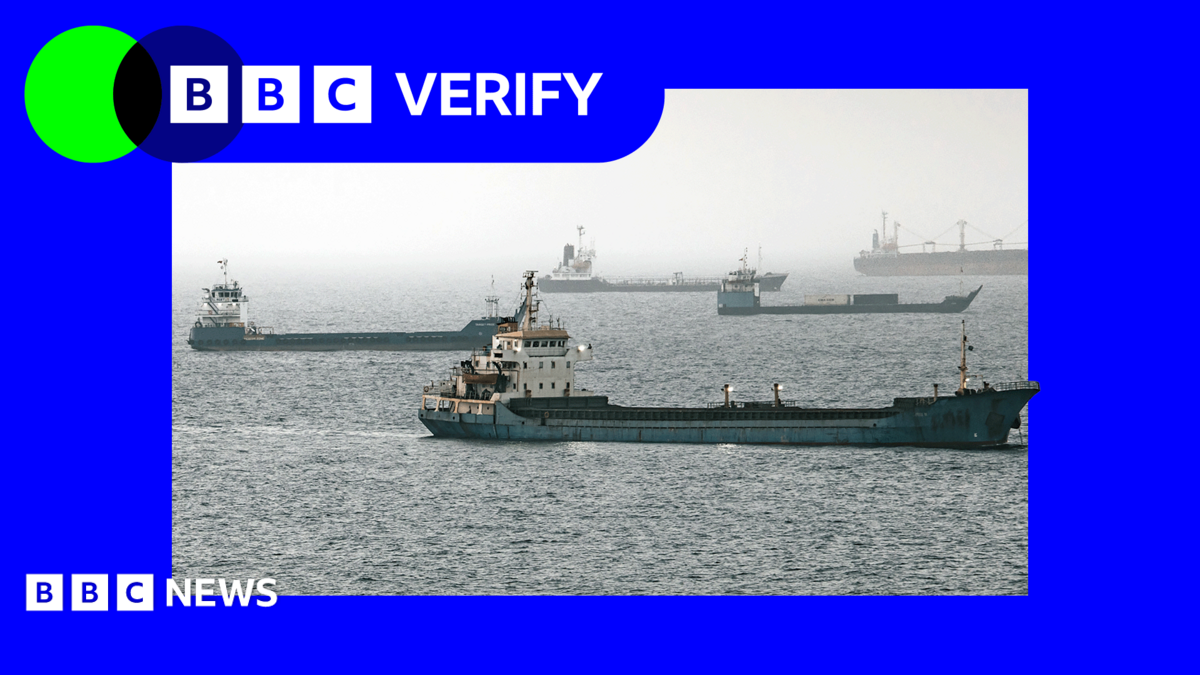
Ship transits through the Strait of Hormuz traffic have fallen sharply in the days after the recent US-Iran strikes, according to BBC News. The BBC article, published on 2026-07-09T14:41:54.000Z, cites maritime-tracking data showing a noticeable reduction in the number of vessels using the narrow Gulf passage following attacks this week.
Strait of Hormuz traffic data and timing
BBC reporting indicates a clear decline in the number of ships passing through the Strait of Hormuz after strikes earlier in the week. The report links the timing of the fall to those incidents but does not specify perpetrators or provide independent verification. The BBC piece cites maritime-tracking datasets and reporter mapping to show fewer commercial and tanker transits compared with immediately earlier days.
Maritime trackers typically aggregate AIS (Automatic Identification System) feeds and satellite data to produce daily transit counts; the BBC article did not publish a full methodology or raw daily totals, so the account here follows the outlet’s reporting and caveats.
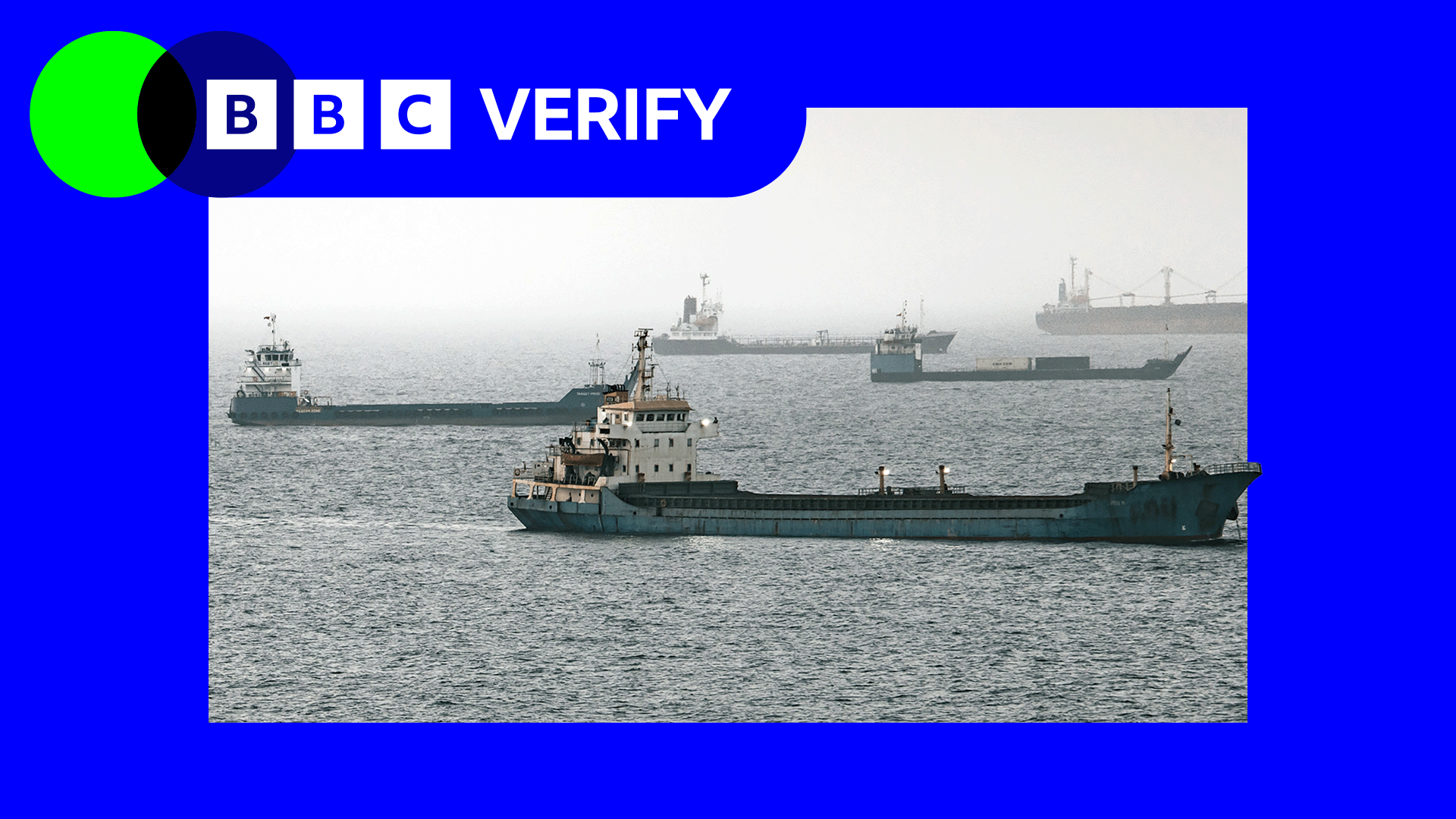
By the numbers
- Reported change: BBC observed a marked fall in ship transits through the waterway after attacks this week; the outlet did not publish precise daily totals in the report.
- Types of vessels affected: commercial ships and tankers. Many of the vessels that normally transit carry oil and liquefied gas cargoes.
- Geographic scope: the decline was recorded in the Strait of Hormuz, a strategic choke point for global energy shipments linking the Gulf to international markets.
Where the BBC reporting lacks specific figures, the pattern described is a reduction in movements rather than a full stoppage of traffic. The data cited are snapshots tied to the days immediately after the incidents described in the BBC piece.
Impact on oil and gas shipments
The Strait of Hormuz is a major conduit for oil and liquefied gas leaving the Gulf. Even a temporary drop in transit counts can complicate logistics for shippers and traders who depend on predictable route capacity. The BBC report notes that many of the vessels normally using the route carry energy cargoes, so fewer transits can tighten short-term flows and increase operational friction.
Near-term commercial effects are typically operational rather than immediate supply shocks: vessels may be rerouted around longer passages, voyages can be delayed while companies wait for security assessments, and chartering and insurance costs often rise when perceived risk increases. Those cost changes can be passed through to shippers and, over time, contribute to higher freight or insurance premiums for voyages via the region.
Longer-term market impacts would depend on how persistent the transit reduction is and whether carriers adopt sustained route changes. If the fall in traffic proves short-lived and merchant confidence returns, market disruption could be limited. If disruptions persist, traders and energy buyers may re-price risk into contracts and adjust sourcing to alternative suppliers.
Why it matters
Changes to Strait of Hormuz traffic matter because a sizeable share of global oil and gas shipments transits this narrow waterway. That concentration makes the route sensitive to disruptions: local incidents can have outsized effects on perceptions of supply security and on trading behaviour, even when physical throughput is only temporarily reduced.
The BBC report links the timing of the decline to strikes involving the United States and Iran. While the article connects the events and the change in movements, it does not assign independent proof of causation or identify perpetrators; readers should treat the sequence as reported rather than independently verified.
What to watch next
Key indicators to follow include daily transit counts from maritime-tracking services, official notices from naval or coast guard authorities in the region, and shipping-company route advisories. Insurance-market signals such as changes in war-risk premiums and charter rates can also indicate how commercial actors are pricing the disruption.
Other relevant developments to monitor are any formal statements from regional states, port authorities, or international maritime organisations that could clarify the security environment. Additional releases of raw tracking data or methodological notes from data providers would help researchers and market participants assess the scale and persistence of the decline.
Source, limits and what comes next
This article is based on a BBC News report published on 2026-07-09T14:41:54.000Z that cites maritime-tracking data showing a decline in ship transits through the Strait of Hormuz after attacks this week. The BBC article does not provide independent verification of who carried out the attacks, nor does it publish detailed methodology for the transit counts.
Because the reporting attributes the timing and correlation to recent strikes without naming perpetrators or presenting underlying raw data, readers should treat causation as reported rather than independently proven. Further confirmation from maritime authorities, additional data releases, or official statements would provide clearer context for any persistent changes to traffic.
Source and attribution: BBC News — Traffic through Strait of Hormuz falls steeply after new US-Iran strikes (published 2026-07-09T14:41:54.000Z).
FAQ
Is it safe to send ships through the Strait of Hormuz? Safety depends on current security conditions and official advisories. The recent BBC report indicates reduced traffic after attacks; ship operators, insurers and flag states will reassess risk and may require escorts, rerouting or additional precautions.
How much oil passes through the Strait of Hormuz daily? Large volumes of oil and liquefied gas typically transit the waterway; exact daily totals vary and are measured by energy agencies and maritime-data services. The BBC piece notes many transiting vessels carry oil and gas but did not supply a specific daily volume.
Who reported the decline in traffic? The decline described here was reported by BBC News on 9 July 2026, which cited maritime-tracking data. Read the BBC report for the original coverage: Traffic through Strait of Hormuz falls steeply after new US-Iran strikes.